
Aluminum Metaphosphate for Specialty Glass and Optical Applications
Specialty glass materials are used in applications where optical performance, thermal stability, material purity, and processing reliability are critical. Compared with ordinary glass products, specialty optical glass is often developed for more demanding technical fields such as high-power laser systems, precision imaging equipment, optical lenses, advanced cameras, and high-performance optical components.
In this specialty glass application, the customer required a phosphate-based material suitable for use in phosphate optical glass systems. Based on the application direction, Shijiazhuang City Xinsheng Chemical Co., Ltd. recommended Aluminum Metaphosphate as a high-temperature binder material for specialty glass and optical applications.
Aluminum Metaphosphate can be used as a high-temperature binder in phosphate optical glass systems where optical transmission, thermal processing behavior, and stable glass performance are important.
Project Background
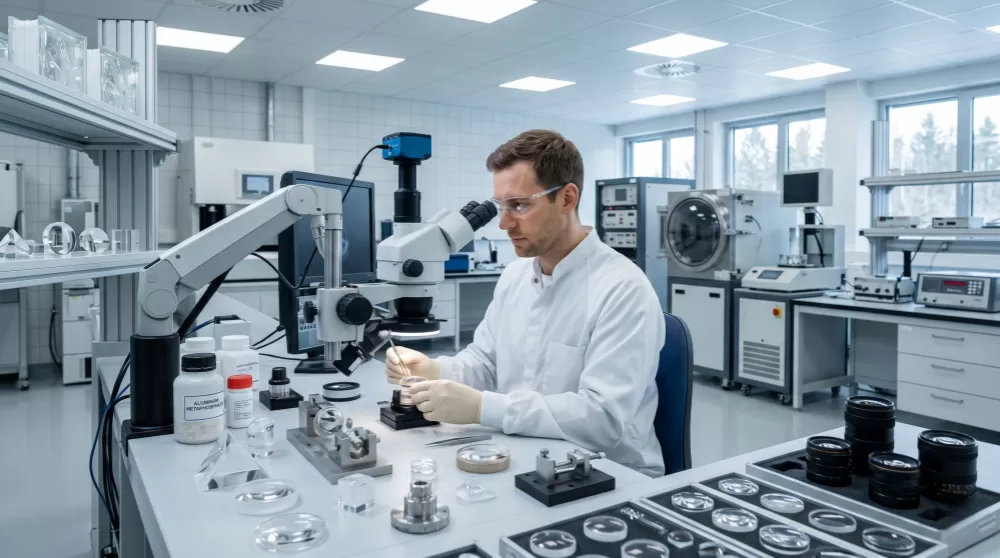
Specialty optical glass is widely used in advanced industrial and scientific fields. It may be applied in laser systems, imaging equipment, precision lenses, camera lenses, and other optical components requiring stable light transmission and reliable material performance.
In phosphate optical glass systems, material selection directly affects glass processing and final optical behavior. A suitable phosphate-based material must work within the glass formulation and support the technical requirements of optical glass production.
For this case, the application focused on Aluminum Metaphosphate used in specialty glass, especially phosphate optical glass. The original application information highlights its relevance to optical glass systems with good light transmission and low light absorption.
Customer Challenge
The customer needed a material suitable for specialty glass applications where optical performance and high-temperature processing requirements must be considered together. Unlike common industrial materials, optical glass systems require strict attention to material behavior because even small formulation problems may influence transparency, light absorption, processing stability, or final product consistency.
For phosphate optical glass, the material system must support performance requirements related to light transmission and optical clarity. In applications such as high-power laser systems or imaging equipment lenses, the glass material needs to maintain stable optical characteristics.
The customer’s main challenges included:
Selecting a phosphate-based material suitable for optical glass systems
Supporting high-temperature bonding or binding behavior during glass processing
Maintaining good light transmission performance
Reducing negative influence on optical absorption
Supporting specialty glass applications related to laser and imaging systems
Meeting the material requirements of precision optical glass production
Maintaining stable performance in technically demanding glass applications
Recommended Solution
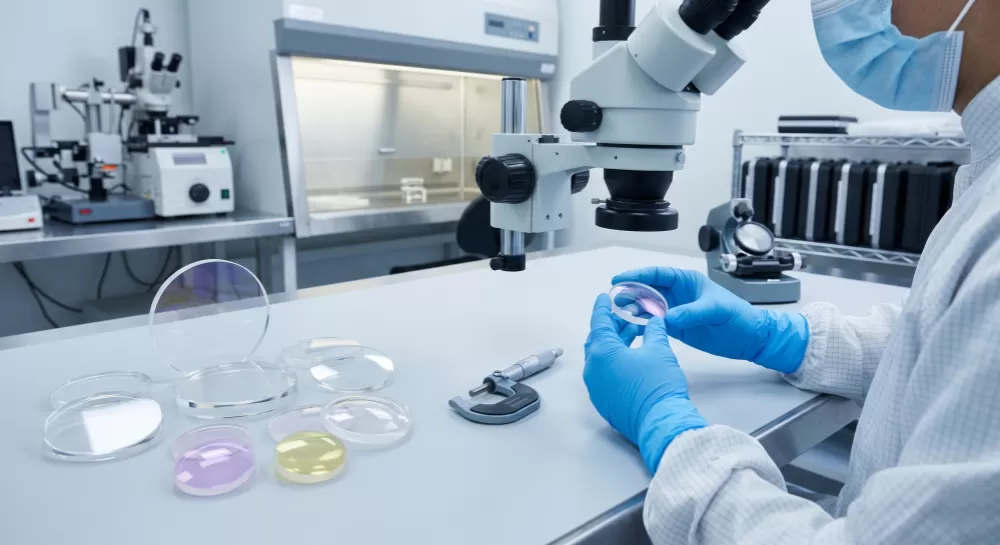
Xinsheng Chemical recommended Aluminum Metaphosphate for the customer’s specialty glass application.
Aluminum Metaphosphate is suitable for use as a high-temperature binder in phosphate optical glass systems. In this type of application, the material is selected not as a general additive, but as a functional phosphate material that can support specialty glass processing and optical performance requirements.
The recommended solution was suitable for application directions such as:
Phosphate optical glass
Specialty glass materials
High-temperature glass binder systems
Optical glass for high-power laser systems
Optical glass for high-repetition-rate lasers
Imaging equipment lens materials
Advanced camera and digital camera lens applications
Because the original case information does not provide customer name, country, formulation ratio, melting temperature, optical test data, or final glass specifications, these details should not be added unless confirmed by the customer or Xinsheng Chemical.
Product Supplied
The product supplied for this specialty glass application was:
Aluminum Metaphosphate
Aluminum Metaphosphate was selected as a phosphate-based material for specialty glass and optical applications. In this case, it was used as a high-temperature binder material for phosphate optical glass systems.
Its application direction is associated with specialty optical glass that may be used in high-power laser systems, high-repetition-rate lasers, imaging equipment lenses, advanced cameras, and digital camera lenses.
For optical glass manufacturers, Aluminum Metaphosphate can provide a suitable phosphate material option when the formulation requires compatibility with high-temperature glass processing and optical performance requirements.
Application Process
In the customer’s application, Aluminum Metaphosphate was introduced into the specialty glass material system according to the customer’s internal formulation and production process.
A typical specialty glass development process may include raw material selection, weighing and batching, mixing, melting, refining, forming, annealing, cutting, polishing, optical inspection, and final quality evaluation. In phosphate optical glass systems, each raw material must be carefully selected to support stable processing and final optical performance.
Aluminum Metaphosphate was used as a high-temperature binder material within the phosphate optical glass system. Its role was to support the material requirements of specialty optical glass where light transmission, low light absorption, and processing reliability are important.
For applications related to laser systems and precision imaging equipment, the final glass material must meet demanding optical and processing expectations. Therefore, the selection of phosphate materials must be aligned with the customer’s formulation, equipment, and product quality requirements.
Because no exact process parameters or optical test results are provided in the original case material, the article does not state specific performance data. Any numerical values, such as transmission rate, absorption coefficient, melting temperature, or laser performance data, should only be added after technical confirmation.
Results and Benefits
The Aluminum Metaphosphate solution was designed to support several important application benefits in specialty glass systems.
First, it provided a phosphate-based material option for specialty optical glass production. This is important for manufacturers developing phosphate glass systems that require suitable functional raw materials.
Second, Aluminum Metaphosphate can be used as a high-temperature binder in phosphate optical glass. This makes it relevant for glass systems processed under demanding thermal conditions.
Third, the application direction supports good light transmission performance. In optical glass applications, transmission is a key consideration because the final material must allow light to pass through with minimal unwanted loss.
Fourth, the material is associated with low light absorption requirements. Lower light absorption is important in optical systems where heat generation, signal loss, or reduced optical efficiency may become concerns.
Fifth, the application is suitable for technically demanding optical fields, including high-power laser systems, high-repetition-rate lasers, imaging equipment lenses, advanced cameras, and digital camera lenses.
Overall, Aluminum Metaphosphate helped the customer build a material direction suitable for specialty phosphate optical glass and precision optical applications.
Why the Customer Chose Xinsheng Chemical
The customer chose Xinsheng Chemical because the company can provide phosphate-based specialty chemical products for technical industrial applications. In specialty glass and optical materials, product selection requires not only general chemical supply capability, but also an understanding of how phosphate materials are used in demanding application systems.
Xinsheng Chemical’s Aluminum Metaphosphate matched the customer’s application direction for phosphate optical glass and high-temperature binder use. The product was suitable for a specialty glass system where optical transmission, low light absorption, and high-temperature processing behavior were important.
For B2B customers in specialty materials, stable product supply and application-oriented material selection are important factors when choosing a chemical supplier. In this case, Xinsheng Chemical provided a phosphate material solution aligned with the customer’s technical application requirements.
Conclusion
This specialty glass case demonstrates the application value of Aluminum Metaphosphate in phosphate optical glass systems.
For manufacturers developing specialty glass, optical glass, laser-related glass materials, imaging equipment lenses, or precision optical components, Aluminum Metaphosphate can be used as a high-temperature phosphate binder material that supports the formulation direction of demanding optical applications.
By recommending Aluminum Metaphosphate for this specialty glass application, Xinsheng Chemical provided the customer with a practical phosphate material solution for high-performance optical glass and advanced industrial applications.