
Aluminum Dihydrogen Phosphate as a Chemical Binder for Industrial Applications
Chemical binders play an important role in industrial material systems where powders, minerals, ceramics, refractory materials, or coating components must be bonded into a stable structure. In applications such as high-temperature kilns, flame-retardant coatings, ceramic products, casting materials, and refractory systems, the binder must provide reliable bonding performance while remaining compatible with the final service environment.
In this binder application, the customer required phosphate-based materials suitable for chemical bonding and industrial formulation use. Based on the application direction, Shijiazhuang City Xinsheng Chemical Co., Ltd. recommended Aluminum Dihydrogen Phosphate Powder, Aluminum Dihydrogen Phosphate Liquid, Condensed Aluminum Phosphate (AP), and Aluminum Tripolyphosphate (ATP).
These phosphate materials were selected for applications requiring room-temperature bonding, chemical bonding, and compatibility with high-temperature or mineral-based material systems.
Project Background
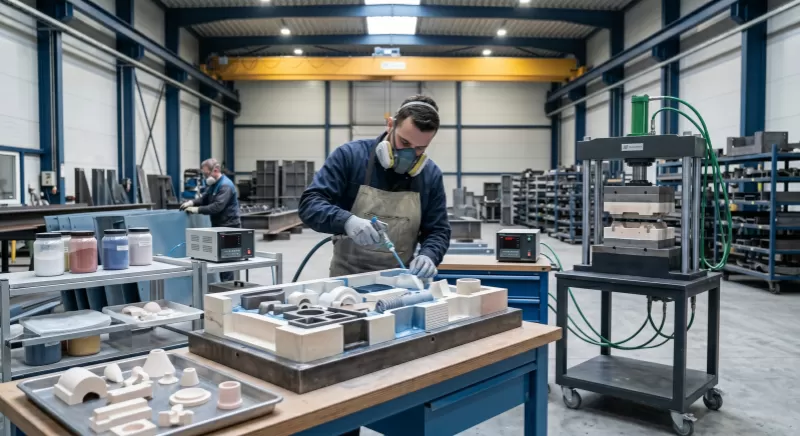
Industrial binders are widely used in materials that need to form a stable body, coating layer, or bonded structure. Depending on the application, the binder may be used in powder mixtures, ceramic bodies, refractory materials, fire-resistant coatings, or casting-related formulations.
For many industrial customers, the binder is not simply an auxiliary ingredient. It directly affects handling strength, forming performance, curing behavior, adhesion, structural stability, and final application reliability.
In this case, the application focused on phosphate-based chemical binders used in demanding industrial fields. The customer needed a material solution suitable for high-temperature kilns, flame-retardant coatings, ceramics, casting, and related industrial binder systems.
Customer Challenge
The customer needed a binder system that could provide good bonding performance under practical production conditions. In many ceramic, refractory, coating, and casting applications, the material must first form a stable structure at normal temperature so that it can be shaped, processed, transported, installed, or further cured.
If the binder does not provide sufficient bonding strength, the material may crack, loosen, shed powder, deform, or fail during handling or service. In high-temperature or fire-resistant applications, the binder also needs to match the chemical and thermal requirements of the formulation.
The customer’s main challenges included:
Achieving reliable room-temperature bonding
Supporting chemical bonding in mineral-based or ceramic systems
Improving formulation stability in industrial binder applications
Supporting high-temperature kiln and refractory-related uses
Meeting the bonding needs of flame-retardant coating systems
Supporting ceramic and casting material applications
Providing compatibility with sodium silicate or potassium silicate curing systems where required
Recommended Solution
Xinsheng Chemical recommended a phosphate-based binder solution using Aluminum Dihydrogen Phosphate Powder, Aluminum Dihydrogen Phosphate Liquid, Condensed Aluminum Phosphate (AP), and Aluminum Tripolyphosphate (ATP).
Aluminum Dihydrogen Phosphate was recommended because it has good room-temperature bonding properties and can be used as a chemical binder in industrial material systems. It is suitable for applications where powders, minerals, refractory materials, or ceramic components need to be bonded together before further processing or service.
Condensed Aluminum Phosphate (AP) was recommended as a phosphate material suitable for binder-related applications. In certain systems, condensed aluminum phosphate powder can be mixed and cured with potassium silicate, also known as potassium water glass.
Aluminum Tripolyphosphate (ATP) was also selected for binder-related applications. In certain formulation directions, ATP can be used with sodium silicate curing systems.
The recommended solution was suitable for:
High-temperature kiln materials
Flame-retardant coatings
Ceramic material systems
Foundry and casting applications
Refractory and heat-resistant materials
Chemical binder formulations
Sodium silicate or potassium silicate curing systems
Product Supplied
The products supplied for this binder application included the following:
Aluminum Dihydrogen Phosphate Powder
Aluminum Dihydrogen Phosphate Powder was selected as a chemical binder material for industrial formulations. It is suitable for applications requiring room-temperature bonding and stable chemical bonding behavior.
Aluminum Dihydrogen Phosphate Liquid
Aluminum Dihydrogen Phosphate Liquid was supplied as a liquid binder option for applications where easier mixing, dispersion, or formulation handling is required. It can be used in systems where liquid phosphate binder performance is needed.
Condensed Aluminum Phosphate (AP)
Condensed Aluminum Phosphate was used as a phosphate-based material for binder applications. It can be applied in systems where phosphate materials are mixed with other inorganic binders or curing agents, including potassium silicate systems where technically suitable.
Aluminum Tripolyphosphate (ATP)
Aluminum Tripolyphosphate was selected as another phosphate-based material for industrial binder-related applications. In suitable systems, ATP can be used together with sodium silicate curing systems.
Together, these materials provided the customer with multiple phosphate-based options for different binder formulation needs.
Application Process
In the customer’s application, the phosphate materials were introduced into the binder formulation according to the customer’s internal production process and application requirements. The materials were used as part of the formulation system rather than as finished adhesive products.
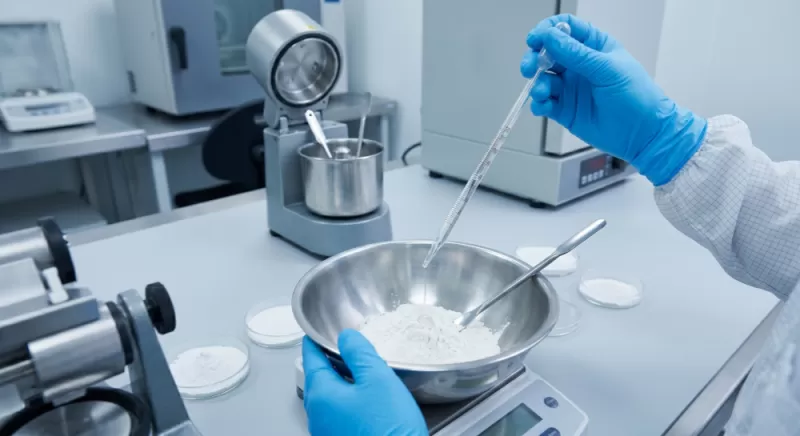
A typical industrial binder application process may include raw material selection, powder or mineral preparation, binder addition, mixing, shaping or coating, drying, curing, and final performance evaluation. In ceramic, refractory, flame-retardant coating, or casting systems, the binder must be compatible with the base materials and must provide sufficient bonding performance during processing.
For Aluminum Dihydrogen Phosphate Powder and Liquid, the main application value is related to room-temperature bonding and chemical binding behavior. These properties help the material system form a stable structure before further curing or service.
For Condensed Aluminum Phosphate and Aluminum Tripolyphosphate, the application may involve combination with inorganic curing systems such as potassium silicate or sodium silicate, depending on the specific formulation design.
Because the original case information does not provide exact formulation ratios, curing temperature, mixing conditions, substrate type, final product type, or performance test data, those details should not be added to the website unless confirmed by Xinsheng Chemical or the customer.
Results and Benefits
The phosphate-based binder solution was designed to support several important benefits in industrial material applications.
First, Aluminum Dihydrogen Phosphate supported good room-temperature bonding. This is important for materials that need to maintain shape, handling strength, or coating integrity before final curing or high-temperature service.
Second, the solution provided chemical binder functionality. Chemical bonding is valuable in ceramic, refractory, coating, and casting applications because it can help form a stable structure within mineral-based systems.
Third, the phosphate materials were suitable for high-temperature kiln-related applications. In furnace, kiln, and refractory environments, binder selection directly influences processing reliability and material stability.
Fourth, the solution was suitable for flame-retardant coating applications. In these systems, the binder must work together with other coating components to form a stable and functional coating layer.
Fifth, the materials were applicable in ceramic and casting industries. Ceramic products and casting-related materials often require binders that can hold particles together during forming, drying, curing, or thermal treatment.
Sixth, the availability of different phosphate materials allowed the customer to select suitable options according to the formulation system. Aluminum Dihydrogen Phosphate, Condensed Aluminum Phosphate, and Aluminum Tripolyphosphate each provided different application possibilities for binder development.
Overall, the phosphate-based solution helped the customer build a practical binder formulation direction for high-temperature, ceramic, coating, and casting applications.
Why the Customer Chose Xinsheng Chemical
The customer chose Xinsheng Chemical because the company could provide multiple phosphate-based materials suitable for industrial binder applications. For customers working with high-temperature materials, refractory systems, ceramics, flame-retardant coatings, or casting materials, supplier selection depends on both product availability and application matching.
Xinsheng Chemical’s product range includes Aluminum Dihydrogen Phosphate Powder and Liquid, Condensed Aluminum Phosphate, and Aluminum Tripolyphosphate. This allowed the customer to choose suitable phosphate materials according to different binder formulation requirements.
In this case, Xinsheng Chemical’s recommendation matched the customer’s need for room-temperature bonding, chemical binding behavior, and compatibility with industrial inorganic material systems.
Conclusion
This binder case demonstrates the application value of Aluminum Dihydrogen Phosphate, Condensed Aluminum Phosphate, and Aluminum Tripolyphosphate in industrial chemical binder systems.
For manufacturers working with high-temperature kilns, flame-retardant coatings, ceramics, casting materials, refractory systems, and related industrial formulations, phosphate-based binders can help support room-temperature bonding, chemical bonding, material stability, and formulation flexibility.
By recommending suitable phosphate materials for this binder application, Xinsheng Chemical provided the customer with a practical material solution for demanding industrial bonding systems.