
Zinc Phosphate and Aluminum Tripolyphosphate for Solvent-Based Coatings
Solvent-based coatings are still widely used in industrial protective coating systems because they offer strong film formation, good substrate wetting, practical application performance, and reliable protection in many demanding environments. For manufacturers of alkyd coatings, modified alkyd coatings, polyurethane coatings, and other industrial coating systems, the selection of anti-corrosion pigments is an important factor affecting coating durability, drying behavior, adhesion, water resistance, and storage stability.
In this solvent-based coating application, the customer required phosphate-based anti-corrosion pigments suitable for industrial coating formulations. Based on the coating system and application direction, Shijiazhuang City Xinsheng Chemical Co., Ltd. recommended Zinc Phosphate products including ZP-O, ZP-L, and ZPA, as well as Aluminum Tripolyphosphate products including MY-O, MY-CAP, and ATP.
These materials were selected to support solvent-based coating systems requiring anti-corrosion protection, good adhesion, stable storage performance, and reliable compatibility with different resin systems.
Project Background
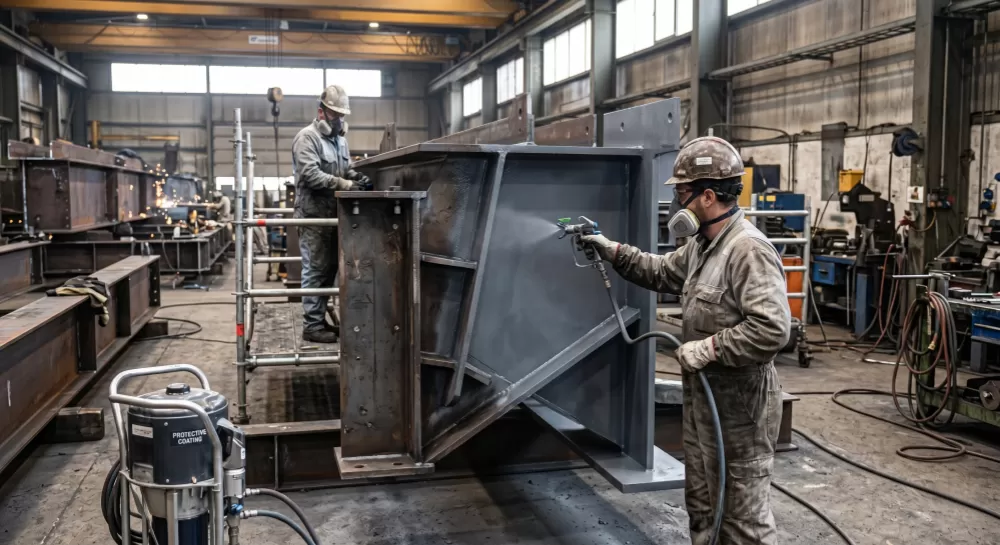
Industrial solvent-based coatings are commonly used on metal structures, machinery, equipment, pipelines, steel components, transportation parts, and other substrates that require long-term protection. In these applications, the coating must protect the substrate from moisture, corrosion, chemical exposure, and environmental aging.
For this case, the coating system involved solvent-based formulations such as alkyd, modified alkyd, and polyurethane coatings. These systems often require anti-corrosion pigments that can provide protective performance without negatively affecting coating stability or application behavior.
Zinc Phosphate and Aluminum Tripolyphosphate were recommended as functional anti-corrosion pigment solutions because they are suitable for protective coating systems where corrosion resistance, adhesion, weather resistance, and storage stability are important.
Customer Challenge
The customer needed anti-corrosion pigments that could work effectively in solvent-based coating formulations while supporting practical coating performance during production, storage, and application.
In solvent-based coatings, anti-corrosion performance is only one part of the formulation requirement. The pigment must also be compatible with the resin system, support good dispersion, maintain storage stability, and avoid causing problems such as poor adhesion, unstable viscosity, weak film formation, or reduced coating appearance.
For alkyd, modified alkyd, and polyurethane coating systems, drying performance can also be an important concern. The coating manufacturer needed a material solution that could support protective performance while keeping the formulation practical for industrial use.
The main challenges included:
Improving anti-corrosion protection in solvent-based coatings
Supporting fast drying behavior in suitable coating systems
Maintaining good adhesion to metal substrates
Improving water resistance and corrosion resistance
Supporting compatibility with multiple resin systems
Maintaining stable storage performance
Supporting weather resistance in industrial protective coatings
Allowing flexible color formulation without unnecessary limitation
Recommended Solution
Xinsheng Chemical recommended a phosphate-based anti-corrosion pigment solution using Zinc Phosphate and Aluminum Tripolyphosphate products.
Zinc Phosphate products, including ZP-O, ZP-L, and ZPA, were recommended for coating systems requiring reliable corrosion protection and good compatibility with different binders. In alkyd, modified alkyd, and polyurethane coating systems, Zinc Phosphate can help support anti-corrosion performance while also contributing to good adhesion and practical coating behavior.
Aluminum Tripolyphosphate products, including MY-O, MY-CAP, and ATP, were recommended as environmentally friendly inorganic anti-rust pigment options for industrial protective coatings. These materials can support storage stability, weather resistance, and corrosion protection in solvent-based coating systems.
The recommended solution was suitable for:
Alkyd coatings
Modified alkyd coatings
Polyurethane coatings
Industrial solvent-based anti-corrosion coatings
Protective coatings for metal structures
Coatings requiring stable storage and weather resistance
Coatings requiring flexible color formulation
Product Supplied
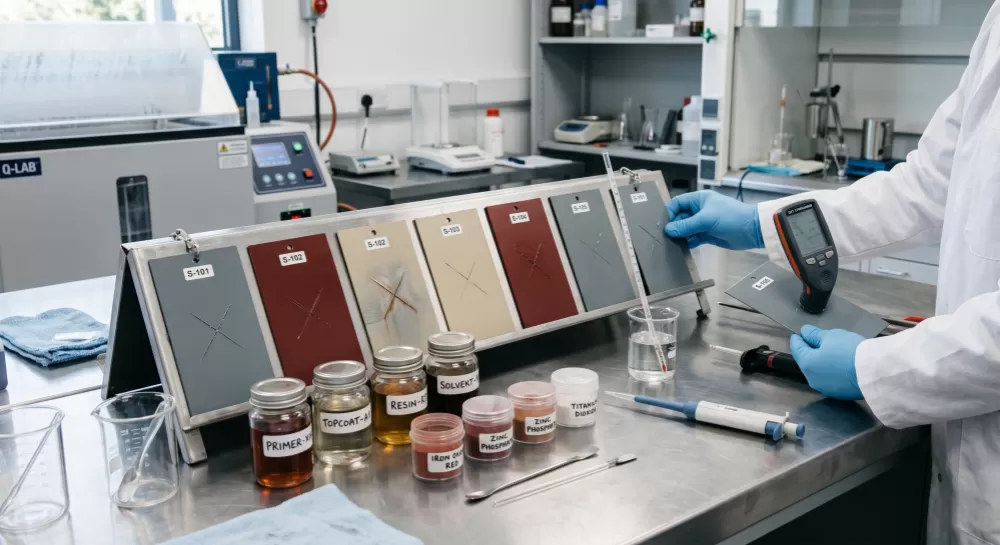
The products supplied for this solvent-based coating application included the following:
Zinc Phosphate ZP-O
ZP-O was selected as a Zinc Phosphate grade for solvent-based protective coatings where anti-corrosion performance and compatibility with industrial coating systems were required.
Zinc Phosphate ZP-L
ZP-L was used as another Zinc Phosphate option suitable for anti-corrosion coating formulations. It can be applied in systems where coating stability, adhesion, and protective performance are important.
Zinc Phosphate ZPA
ZPA was recommended for solvent-based coating applications requiring reliable anti-corrosion pigment performance and formulation adaptability.
Aluminum Tripolyphosphate MY-O
MY-O was selected as an Aluminum Tripolyphosphate product for protective coating formulations requiring stable performance and anti-rust protection.
Aluminum Tripolyphosphate MY-CAP
MY-CAP was recommended for solvent-based coating systems where storage stability, weather resistance, and corrosion resistance were important.
Aluminum Tripolyphosphate ATP
ATP was used as a functional inorganic phosphate pigment for anti-corrosion coatings and industrial protective coating applications.
Together, these Zinc Phosphate and Aluminum Tripolyphosphate products provided the customer with multiple formulation options for different solvent-based coating systems.
Application Process
In the customer’s application, Zinc Phosphate and Aluminum Tripolyphosphate products were incorporated into solvent-based coating formulations according to the customer’s internal formulation and production process. The materials were evaluated as part of the full coating system rather than as standalone products.
A typical solvent-based coating development process may include resin selection, solvent system design, pigment and filler selection, dispersion, grinding, let-down, viscosity adjustment, application testing, drying evaluation, adhesion testing, corrosion resistance testing, and storage stability observation.
For alkyd, modified alkyd, and polyurethane coating systems, the anti-corrosion pigment must be properly dispersed and balanced with other formulation components. Good dispersion helps the pigment perform more effectively in the coating film and supports stable coating appearance and application behavior.
In this case, Zinc Phosphate products were used to support anti-corrosion performance, drying behavior, adhesion, water resistance, and storage stability. Aluminum Tripolyphosphate products were applied to support environmentally friendly anti-rust performance, weather resistance, storage stability, and long-term protective coating performance.
Because the original case information does not provide exact formulation ratios, pigment loading, resin type, substrate type, drying schedule, coating thickness, salt spray data, or customer test results, these values should not be added to the website unless confirmed by the customer or Xinsheng Chemical.
Results and Benefits
The phosphate-based pigment solution was designed to support several important benefits for solvent-based coating applications.
First, Zinc Phosphate helped support anti-corrosion performance in alkyd, modified alkyd, and polyurethane coating systems. For industrial protective coatings, anti-corrosion pigment selection is critical because it directly affects the coating’s ability to protect metal substrates from moisture and corrosive media.
Second, the coating system could support good adhesion. Adhesion is essential for solvent-based protective coatings because a coating film must remain firmly attached to the substrate during service, especially when exposed to mechanical stress, temperature changes, or outdoor environments.
Third, the Zinc Phosphate products were suitable for coating systems requiring practical drying behavior. In suitable alkyd, modified alkyd, and polyurethane coatings, the material can support fast drying characteristics while maintaining protective performance.
Fourth, Zinc Phosphate showed good stability in water-based and compatible coating systems, and its water resistance and anti-corrosion performance made it suitable for protective coatings requiring stable long-term performance. In solvent-based systems, these properties also support the broader formulation direction of durable industrial coatings.
Fifth, Aluminum Tripolyphosphate products helped support storage stability and weather resistance. These characteristics are important for coating manufacturers because finished coatings must remain stable before application and maintain performance after exposure to industrial or outdoor conditions.
Sixth, the coating formulation allowed flexible color adjustment. Since these phosphate pigments can be used in coating systems where color formulation is required, they are practical for manufacturers developing different industrial coating colors.
Overall, the solution helped the customer build a more reliable solvent-based coating formulation direction for anti-corrosion, protective, and industrial coating applications.
Why the Customer Chose Xinsheng Chemical
The customer chose Xinsheng Chemical because the company could provide multiple phosphate-based anti-corrosion pigment options for solvent-based coating systems. Instead of offering only one general pigment, Xinsheng Chemical supplied both Zinc Phosphate and Aluminum Tripolyphosphate product series, allowing the customer to select suitable grades according to different formulation needs.
For coating manufacturers, supplier reliability depends not only on product supply but also on application understanding. Solvent-based coatings require balanced performance across corrosion protection, adhesion, drying behavior, compatibility, storage stability, and weather resistance. Xinsheng Chemical’s product recommendation matched these technical requirements.
The company’s product range also allowed the customer to consider different formulation directions, including alkyd coatings, modified alkyd coatings, polyurethane coatings, and other industrial protective coatings.
Conclusion
This solvent-based coating case demonstrates how Zinc Phosphate and Aluminum Tripolyphosphate products can be used as anti-corrosion pigment solutions in industrial coating formulations.
For manufacturers developing alkyd coatings, modified alkyd coatings, polyurethane coatings, and solvent-based protective coatings, these phosphate materials can help support anti-corrosion performance, adhesion, drying behavior, water resistance, weather resistance, storage stability, and flexible color formulation.
By recommending suitable Zinc Phosphate and Aluminum Tripolyphosphate grades for this application, Xinsheng Chemical provided the customer with a practical pigment solution for industrial solvent-based protective coatings.