
High-temperature manufacturing demands chemical binders that preserve structural integrity under severe thermal shock, molten slag exposure, and mechanical stress. Organic binders decompose rapidly above 200°C, creating structural voids and losing mechanical strength. Inorganic binder chemistries—specifically soluble silicates, aluminates, and phosphates—solve this limitation by forming durable mineral networks. Among these inorganic systems, the compound known as aluminium dihydrogen phosphate offers exceptional thermal stability and strong adhesive strength across extended temperature ranges.
As industrial processing temperatures rise in steelmaking, glass manufacturing, and power generation, selecting the appropriate chemical binder becomes a primary engineering decision. Understanding the chemical behavior, transformation stages, and processing parameters of phosphate-based inorganic binders allows plant engineers to improve refractory longevity and product quality.
Chemical Architecture and Synthesis Fundamentals
The acidic salt composed of aluminium and phosphate ions, identified by CAS number 13530-50-2, possesses the molecular formula Al(H2PO4)3. The chemical structure features a central aluminium ion coordinated to dihydrogen phosphate anions. This structure delivers high solubility in aqueous media and acidic behavior in solution, typically exhibiting a pH between 1.0 and 2.5 depending on concentration.
Industrial production involves reacting high-purity aluminium hydroxide with concentrated phosphoric acid under controlled thermal and stoichiometric conditions:
Al(OH)3 + 3 H3PO4 -> Al(H2PO4)3 + 3 H2O
Maintaining precise stoichiometric control over the mole ratio of phosphorus to aluminium (P/Al ratio) is important during synthesis. A P/Al mole ratio close to 3.0 yields a stable chemical matrix. Excess phosphoric acid increases acidity and hygroscopicity, whereas deficient phosphoric acid causes premature precipitation of insoluble aluminium orthophosphate species.
Commercial grades exist in two physical states:
Liquid Form: A clear, viscous aqueous solution containing 50% to 55% solids concentration by weight. Liquid solutions offer immediate blendability with aggregate powders, consistent dispersion, and simple meter-pump handling.
Solid Form: A white, odorless powder produced by specialized concentration and spray-drying protocols. The powder form suits dry-mix mortar formulations, allowing long-term dry storage before on-site hydration.
High-Temperature Refractory Chemistry and Phase Transitions
When integrated into corundum or bauxite refractories, aluminium dihydrogen phosphate functions as a cold-setting or thermo-setting binder. The bonding mechanism progresses through defined chemical dehydration and condensation reactions across specific temperature thresholds.
Low-Temperature Dehydration (100°C to 300°C)
Initial heating removes absorbed moisture and triggers molecular condensation. Between 120°C and 200°C, adjacent dihydrogen phosphate groups lose molecular water to convert into acidic pyrophosphate structures. This reaction initiates cold-set hardening, creating a preliminary rigid mechanical matrix between refractory aggregate particles.
Intermediate Polyphosphate Formation (300°C to 600°C)
As temperatures advance past 300°C, pyrophosphate groups undergo further polymerization into long-chain metaphosphates, primarily aluminium metaphosphate, Al(PO3)3. This condensed polymeric matrix fills microscopic pores between aggregate grains, increasing cold crushing strength and abrasion resistance.
High-Temperature Transformation (800°C to 1500°C+)
Above 800°C, aluminium metaphosphate reacts with surrounding alumina (Al2O3) present in the refractory aggregate. This reaction converts the metaphosphate into stable aluminium orthophosphate (AlPO4). At temperatures exceeding 1000°C, AlPO4 undergoes polymorphic transformations analogous to silica, forming berlinite and cristobalite-type structures. These crystalline networks integrate directly into the ceramic matrix, providing higher thermal stability, chemical inertness, and resistance to molten metal and slag attack.
Industrial Applications across Refractories and Ceramics
The combination of high temperature stability, chemical inertness, and strong adhesion allows phosphate binders to serve diverse heavy industries.
Monolithic Refractories and Castables
Monolithic refractories, high-alumina bricks, and gunning mixes rely on phosphate bonding to maintain structural strength where hydraulic cement binders fail. Calcium aluminate cements undergo dehydration strength loss in intermediate temperature zones (400°C to 800°C). In contrast, phosphate-bonded systems maintain continuous mechanical strength through this intermediate phase, preventing structural spalling in furnaces, tundishes, and ladles.
High-Temperature Adhesives and Mortars
Industrial kilns require refractory mortars that form strong bonds at low temperatures and retain structural integrity above 1400°C. Formulations utilizing liquid aluminium dihydrogen phosphate form dense adhesive layers that resist thermal cycling shock, furnace atmosphere degradation, and mechanical shear stresses.
Electrical Steel Laminations and Functional Coatings
In electrical engineering, grain-oriented silicon steel sheets require high-insulation coatings to lower eddy current losses and improve magnetic performance. In functional surface treatments, aluminium dihydrogen phosphate forms a non-conductive, heat-resistant glass matrix. Applied as a thin liquid film and heat-cured, it builds an electrically insulating layer that tolerates high-temperature stress-relief annealing without flaking or degrading.
Ceramic Matrix Composites and Porous Filters
Specialty ceramic manufacturing utilizes phosphate binders to shape porous ceramic filters, catalyst carriers, and kiln furniture. Liquid phosphate solutions coat alumina, silicon carbide, or zirconia grains, yielding precise porosity distributions and high thermal shock resistance after firing.
Operational Challenges and Formulation Solutions
While phosphate bonding offers distinct performance benefits, industrial processing requires careful formulation control to mitigate specific physical challenges.
Rapid Setting with Basic Impurities: Refractory raw materials containing free lime (CaO), magnesia (MgO), or iron oxides react rapidly with acidic phosphate binders. This exothermic reaction causes premature setting and loss of workability. Solution: Incorporate organic or inorganic retarders, such as citric acid or sodium complexing agents, to extend working time.
Hygroscopicity in Unfired State: Unfired or low-cured phosphate-bonded masses can absorb atmospheric moisture, leading to surface softening and loss of green strength. Solution: Ensure initial heat-curing stages reach at least 200°C to transform acidic phosphates into water-insoluble pyrophosphate chains.
Rheology Control in Slurries: Maintaining stable viscosity in high-solids ceramic slurries requires precise balance. Neutralizing excessive free acid helps stabilize viscosity without triggering premature gelation.
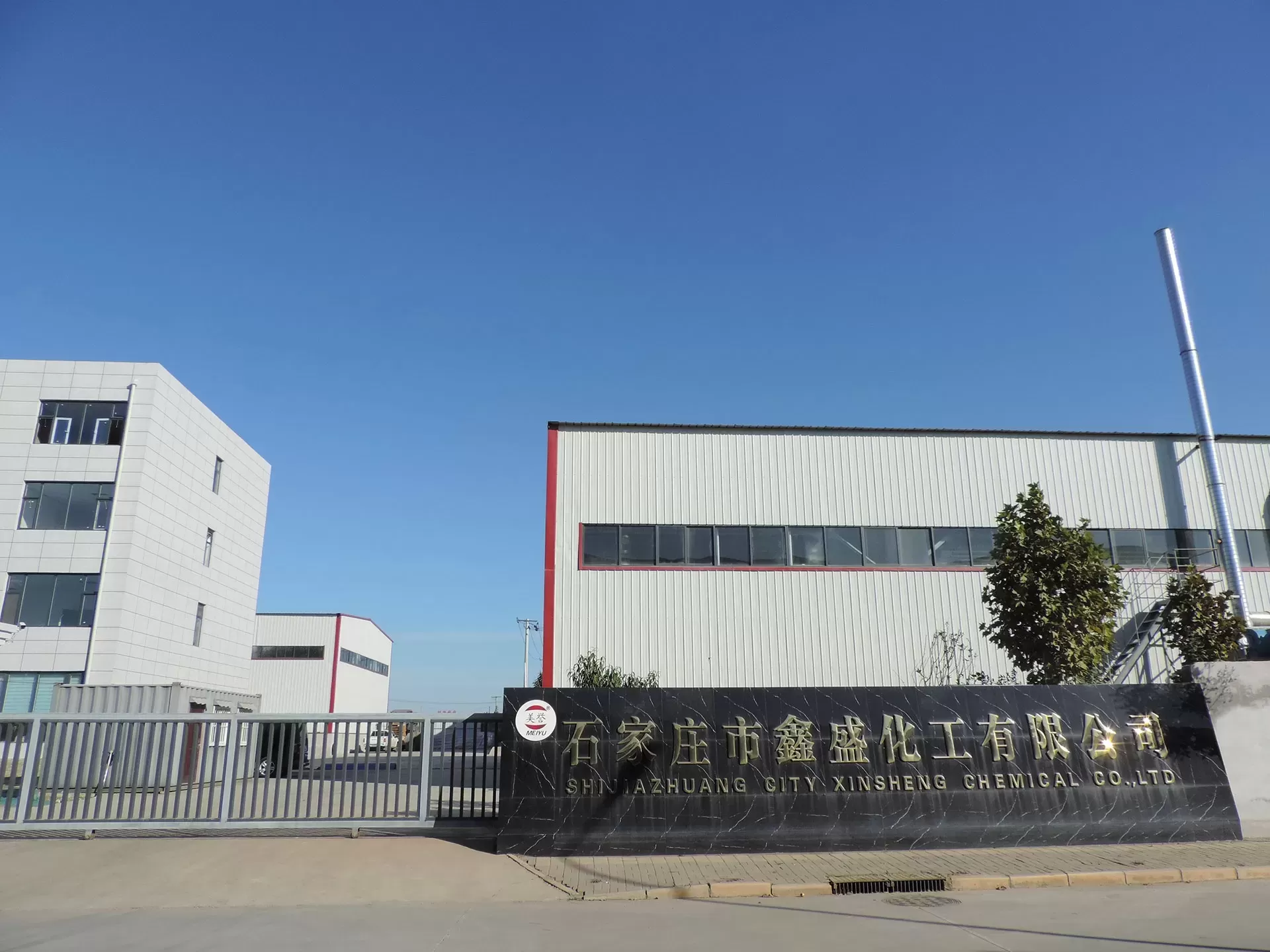
Manufacturing protocols developed by Xinsheng ensure controlled iron and heavy metal impurity levels, preserving liquid binder stability and preventing unwanted side reactions during dry-mix storage.
Analytical Metrics and Standard Specifications
Quality assurance departments rely on core analytical metrics to evaluate batch-to-batch binder consistency. The table below lists standard operational parameters for liquid and solid forms.
| Parameter | Liquid Grade Specification | Powder Grade Specification |
|---|---|---|
| Appearance | Clear, colorless or pale viscous liquid | Fine white powder |
| Al2O3 Content (%) | 7.5 – 9.0 | 16.0 – 19.0 |
| P2O5 Content (%) | 31.0 – 35.0 | 60.0 – 65.0 |
| P/Al Molar Ratio | 2.8 – 3.1 | 2.8 – 3.1 |
| pH (1% aqueous solution) | 1.5 – 2.5 | 2.0 – 3.0 |
| Density (20°C, g/cm³) | 1.45 – 1.55 | Not Applicable |
| Viscosity (25°C, mPa·s) | 200 – 600 | Not Applicable |
Maintaining consistent viscosity across ambient temperature shifts remains a primary benchmark for liquid aluminium dihydrogen phosphate. By utilizing advanced continuous neutralization reactors, Xinsheng supplies high-purity grades that meet tight tolerance thresholds for automated dosage systems.
Handling, Storage, and Chemical Compatibility Protocols
Correct material handling preserves product quality and protects processing equipment from premature wear.
Container Materials and Corrosion Prevention
Due to its acidic nature (pH 1.5–2.5), liquid phosphate binder reacts with carbon steel, galvanised iron, and aluminum alloys, releasing hydrogen gas and contaminating the solution with metal ions. Transfer lines, storage tanks, and mixing vessels must use chemical-resistant plastics (HDPE, PP, PVC) or stainless steel alloys (316L grade).
Storage Temperature and Shelf Life
Liquid solutions should be stored between 5°C and 35°C. Exposure to sub-zero temperatures can trigger crystallization of hydrated phosphate species, requiring gentle reheating and agitation to redissolve precipitate. Powdered grades must be stored in sealed, moisture-proof poly-lined bags in dry conditions to prevent caking from ambient humidity.
Procurement and Industrial Supply Considerations
Industrial buyers evaluating aluminium dihydrogen phosphate must weigh chemical purity against processing requirements. Sourcing high-purity raw materials reduces batch variability and lowers scrap rates in precision refractory and ceramic production lines.
To secure a reliable supply of high-grade aluminium dihydrogen phosphate for your production lines, contacting our sales team directly will provide tailored chemical specifications, material safety data, and competitive volume pricing. For custom concentrations or packaging configurations, submit a product inquiry to Xinsheng to speak with an application specialist.
Frequently Asked Questions
Q1: What is the main structural advantage of using aluminium
dihydrogen phosphate over sodium silicate binders?
A1: Sodium
silicate binders introduce alkali metals (Na2O) into the ceramic matrix, forming
low-melting flux phases that significantly reduce hot strength and softening
temperatures above 1000°C. Aluminium dihydrogen phosphate introduces phosphorus
and alumina, which form high-melting crystalline phases (AlPO4) that preserve
structural strength up to and above 1500°C.
Q2: At what temperature does the phosphate bond achieve full water
insolubility?
A2: Full water insolubility is achieved after thermal
curing between 300°C and 500°C. At this stage, acidic monophosphate groups
condense into long-chain metaphosphates that no longer rehydrate or dissolve
when exposed to moisture or liquid water.
Q3: Can liquid and powder forms be interchanged directly in
recipes?
A3: They can be interchanged, but water content and
stoichiometric concentration must be adjusted. Liquid grades contain
approximately 45% to 50% water, whereas powder grades are anhydrous or contain
low moisture. Formulators must compensate for water added via the liquid grade
to maintain consistent rheology and water-to-binder ratios.
Q4: Why does a refractory mix containing phosphate binder sometimes
harden prematurely during mixing?
A4: Premature hardening occurs
when acidic phosphate binders react directly with basic oxide contaminants or
reactive impurities, such as free calcium oxide, magnesium oxide, or fine iron
dust. Using retarders or selecting higher-purity aggregate materials prevents
this rapid acid-base reaction.
Q5: What packaging options are standard for large-scale industrial
procurement?
A5: Liquid grades are supplied in 30 kg polyethylene
drums, 250 kg plastic drums, or 1200 kg intermediate bulk containers (IBCs).
Powder grades are packed in 25 kg multi-wall paper bags with sealed polyethylene
inner liners or 1000 kg bulk bags.