
High-temperature industrial processing leaves no room for material failure. When furnace linings crack or spall prematurely, operations stop, and costs escalate quickly. For decades, refractory engineers relied heavily on calcium aluminate cements and silicates to bind monolithic linings. However, modern metallurgical and thermal processes run hotter, push thermal cycles faster, and generate more aggressive chemical environments than traditional binders can handle.
Conventional binders frequently lose structural integrity during critical mid-temperature transitions. This issue has led refractory formulators to turn toward high-performance chemical bonding systems. Specifically, an aluminum phosphate binder provides the chemical resilience, hot strength, and thermal shock resistance needed to keep critical assets online.
At Xinsheng, we engineer advanced chemical solutions for refractory manufacturers worldwide. If your current linings suffer from premature structural degradation, you can consult refractory engineering standards or contact our technical team directly to request technical data sheets and product samples.
Below, we examine the chemistry, mechanical performance, and practical advantages of using an aluminum phosphate binder in extreme operating conditions.
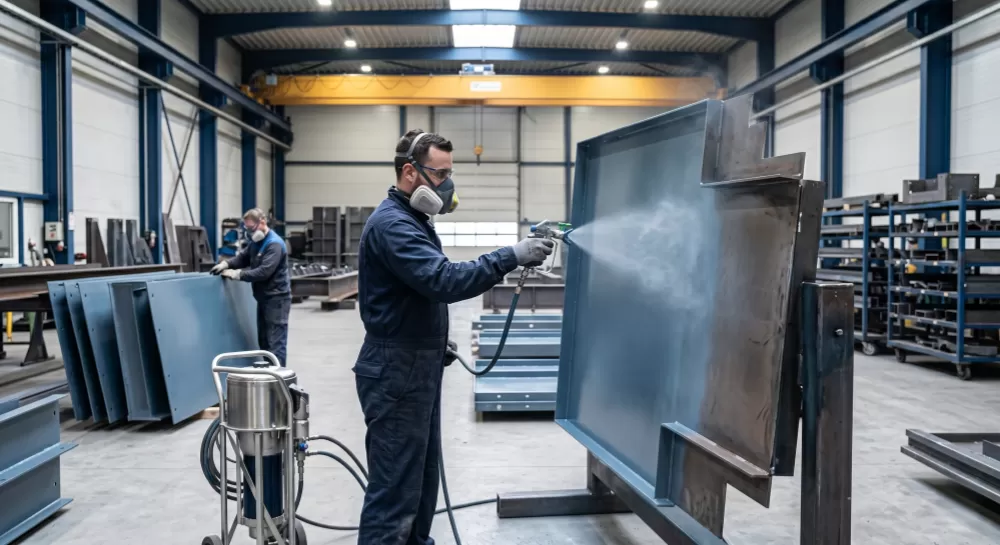
What is Aluminum Phosphate Binder and How Does It Work?
An aluminum phosphate binder is an inorganic, acidic chemical bonding agent composed of phosphoric acid and aluminum hydroxide. It serves as the primary matrix component that holds refractory aggregates—such as bauxite, tabular alumina, corundum, and silicon carbide—together in a dense structure.
While traditional binders depend on hydraulic hydration (water crystal growth) to build strength, aluminum phosphate relies on chemical reaction and polycondensation. This difference produces completely distinct mechanical behavior across thermal stages.
Chemical Composition and Forms
In industrial practice, this material is most commonly supplied as monoaluminum phosphate (MAP), with the chemical formula Al(H2PO4)3. It is available in two primary formats depending on your installation requirements:
- Liquid Form: A clear, viscous, acidic solution (pH 1.0–2.0) with a typical solid content between 50% and 60%. It mixes easily into castables, plastics, and gunning mixes, offering exceptional shelf stability when kept unmixed with basic minerals.
- Powder Form: A neutralized, dry, water-soluble powder. Formulators pre-blend it into dry packaged refractory mixes, requiring workers to add only water on-site.
The Bonding Mechanism Across Temperature Zones
The bonding progression of an aluminum phosphate binder occurs across three defined thermal phases:
- Low Temperature (Ambient to 200°C): The liquid binder wets the aggregate surfaces. As the temperature rises toward 150°C–200°C, free water evaporates, and initial hydrogen bonding produces an initial set.
- Intermediate Polycondensation (300°C to 800°C): Unlike cement, which dehydrates and weakens in this range, monoaluminum phosphate undergoes polycondensation. It releases chemically bound water and converts into aluminum pyrophosphate (Al4(P2O7)3) and aluminum metaphosphate (Al(PO3)3). This reaction forms an amorphous polymeric network that increases physical strength.
- High-Temperature Ceramic Bonding (Above 1000°C): At elevated temperatures, the binder reacts directly with alumina-containing aggregates. The metaphosphates transform into stable aluminum orthophosphate (AlPO4) in forms structurally similar to quartz, tridymite, and cristobalite. Above 1400°C, phosphorus pentoxide (P2O5) slowly volatilizes, leaving behind a dense, interlocked corundum and mullite ceramic matrix.
Core Benefits: Why It Outperforms Traditional Binders
Refractory manufacturers choose an aluminum phosphate binder when standard hydraulic cements cannot meet structural requirements. The benefits directly translate to longer campaign life and lower maintenance downtime.
Exceptional Refractoriness and Hot Strength
Traditional calcium aluminate cements suffer from an intermediate temperature strength valley between 800°C and 1100°C. During this stage, the hydraulic hydrate bond breaks down before the ceramic bond can sinter, causing the lining to weaken significantly. Under mechanical load, linings often crack during this stage.
An aluminum phosphate binder does not experience this drop. The polycondensation reaction builds a bridge between drying and sintering, maintaining high Cold Crushing Strength (CCS) and Modulus of Rupture (MOR) right through 1700°C and beyond. Furnace operators can cycle temperatures without worrying about internal matrix collapse.
Superior Thermal Shock Resistance
Thermal spalling remains one of the leading causes of refractory failure in batch processing furnaces, ladles, and transfer troughs. The ceramic bond generated by aluminum phosphate exhibits a low thermal expansion coefficient and micro-porosity distribution that absorbs internal thermal stress.
When sudden heating or water quenching occurs, the phosphate matrix accommodates localized expansion without propagating deep structural cracks. Studies in metallurgical and materials engineering literature routinely document that phosphate-bonded plastics and ramming mixes survive hundreds of thermal shock cycles that would cause standard castables to spall.
Slag and Chemical Corrosion Resistance
Phosphate bonds provide chemical passivity against corrosive agents. In non-ferrous operations, particularly molten aluminum holding and melting furnaces, traditional silicate or cement bonds react aggressively with the melt. This reaction causes corundum buildup and metal penetration.
An aluminum phosphate binder creates a non-wetting barrier against molten aluminum and acidic slags. Because the surface tension inhibits liquid metal adherence, slag and metal residues detach easily during cleaning cycles, keeping working linings intact.
Rapid Curing and Safer Handling
Unlike sodium silicate (water glass), which produces an excessively alkaline environment and causes rapid crystallization, monoaluminum phosphate gives operators fine control over workability. Furthermore, modern phosphate formulations emit zero toxic volatiles during bake-out, avoiding the hazardous emissions often linked to phenolic resin binders.
Aluminum Phosphate vs. Traditional Binders
Selecting the right binder requires balancing temperature limits, strength curves, and application techniques. The following comparison illustrates why chemical phosphate bonding holds a clear advantage over conventional alternatives:
| Property / Performance | Aluminum Phosphate Binder | Calcium Aluminate Cement | Sodium Silicate (Water Glass) | Silica Sol (Colloidal Silica) |
|---|---|---|---|---|
| Max Refractoriness | 1750°C – 1850°C | 1400°C – 1600°C | 1100°C – 1300°C | 1500°C – 1650°C |
| Intermediate Strength (800°C–1000°C) | High; continuous polycondensation | Low; severe strength valley | Moderate; early vitrification | Moderate; depends on sintering |
| Thermal Shock Resistance | Excellent | Moderate to Poor | Poor; tends to crack | Excellent |
| Non-Wetting to Molten Aluminum | High resistance; no corundum growth | Poor; easily penetrated | Poor; forms glassy impurities | Moderate |
| Drying/Bake-out Sensitivity | Low risk of steam explosive spalling | High; requires tight bake-out curve | Moderate | Low; high permeability |
Key Industrial Applications
Because of its adaptability across different aggregates, aluminum phosphate binder serves as the foundational binder in several product categories.
Monolithic Refractories and Specialty Precast Shapes
- Refractory Plastics and Ramming Mixes: Phosphate-bonded high-alumina plastics remain workable for months under proper storage. Once rammed into burner blocks, soaking pits, or furnace roofs, they bake into a solid, abrasion-resistant monolith.
- Patching and Gunning Formulations: When applied with a gunning machine or trowel, the chemical tackiness of liquid monoaluminum phosphate binds tenaciously to old hot refractory surfaces, speeding up repairs.
- High-Temperature Mortars and Adhesives: Thin-joint refractory masonry relies on phosphate mortars to produce air-tight joints that match the thermal limit of high-alumina brick.
Target Industries and Critical Equipment
The unique properties of phosphate-bonded refractories make them essential across several core industries:
- Steel Metallurgy: Used widely in ladle working linings, tundish safety linings, electric arc furnace (EAF) delta sections, and taphole ramming bodies where molten steel erosion is severe.
- Aluminum and Non-Ferrous Foundries: Applied in melting furnaces, reverberatory hearths, and transfer launders. The non-wetting characteristic stops dross and corundum formation.
- Petrochemical and Power Generation: Circulating Fluidized Bed (CFB) boilers, cyclones, and fluid catalytic cracking units (FCCU) use phosphate-bonded castables to resist abrasive ash particles traveling at high speeds. For more information on equipment lining strategies, explore resources from Refractories Worldforum.
Manufacturers like Xinsheng supply customized grades with tailored viscosity and P2O5 concentrations to suit these demanding environments.
Best Practices: Formulation, Accelerators, and Handling
To maximize the performance of an aluminum phosphate binder, mixing teams and installation crews must pay close attention to formulation variables.
Choosing Liquid vs. Powder
Liquid monoaluminum phosphate offers superior dispersion and aggregate wetting, making it the preferred option for plastic mixes and localized slurries. Powdered monoaluminum phosphate, on the other hand, suits dry-mix bag manufacturers who market pre-blended products requiring only field water addition. Ensure dry powders stay sealed against moisture absorption during transit.
Managing Setting Times with Accelerators
Because pure monoaluminum phosphate hardens slowly at ambient room temperatures, formulators often add setting agents (coagulants) to promote quick stripping of castable forms:
- Dead-Burned Magnesia (MgO): The standard accelerator for phosphate castables. MgO reacts with the acidic phosphate to form magnesium hydrogen phosphate, hardening the castable at room temperature within 30 to 90 minutes.
- Calcium Aluminate Cement Additions: A minor addition (1%–3%) triggers quick precipitation without destabilizing high-temperature refractoriness.
- Temperature Control: Avoid working below 10°C, as low temperatures slow the polycondensation reaction. Conversely, hot weather above 35°C can cause flash setting, requiring small retarder additions such as citric acid.
Storage and Equipment Maintenance
Store liquid aluminum phosphate binder in polyethylene, fiberglass, or stainless-steel storage tanks. Because of its acidic nature, avoid storing it in unlined carbon steel tanks, which react with the liquid and produce hydrogen gas. Flush mixing tools and paddles with fresh water immediately after installation to stop encrusted build-up.
Frequently Asked Questions
Q1: Why does aluminum phosphate binder eliminate the intermediate
strength drop common in cements?
A1: Calcium aluminate cements rely
on hydrated phases that decompose between 800°C and 1000°C, shedding water
before ceramic sintering can take place. In contrast, an aluminum phosphate
binder undergoes continuous chemical condensation, forming stable pyrophosphates
and metaphosphates that provide structural strength across this transitional
window.
Q2: What temperature is required to fully set pure aluminum phosphate
binder?
A2: Without setting accelerators, liquid monoaluminum
phosphate requires drying at 150°C to 200°C to eliminate free water and achieve
a solid set. Full chemical conversion into crystalline aluminum orthophosphate
starts near 500°C and matures completely above 1000°C.
Q3: Can aluminum phosphate binders be used in contact with basic
refractories?
A3: Generally, no. Because the binder is strongly
acidic, it reacts rapidly and exothermically with basic aggregates like caustic
magnesia or dolomite, causing uncontrollable flash setting and expansion cracks.
It works best with acidic or neutral aggregates like alumina, bauxite, mullite,
and silica.
Q4: How does this binder stop corundum growth in aluminum
smelting?
A4: Molten aluminum reduces silica and standard oxides,
penetrating the lining and creating hard corundum mushrooms. The aluminum
phosphate bond creates a non-wetting ceramic barrier that molten aluminum cannot
easily penetrate, preventing the chemical reduction that causes corundum
buildup.
Q5: What is the shelf life of liquid vs. powdered aluminum phosphate
binder?
A5: Liquid monoaluminum phosphate lasts 12 months or longer
when stored in sealed, corrosion-resistant containers away from frost. Powdered
grades typically have a 6 to 12-month shelf life and must remain tightly sealed
in moisture-proof packaging to prevent clumping.
Secure High-Performance Refractory Solutions
Meeting the performance challenges of modern high-temperature processing requires binders that maintain mechanical stability across all thermal regimes. Choosing an advanced aluminum phosphate binder protects your refractory linings against thermal shock, chemical corrosion, and premature mechanical wear.
Xinsheng produces premium-grade liquid and powdered phosphate binders tailored to castable, plastic, and mortar formulations. Our technical engineering team works with you to balance working times, curing behavior, and high-temperature performance.
Contact our technical team today to request a quotation, receive product specifications, or arrange a test sample for your production facility.