
Corrosion inflicts an enormous economic toll on global infrastructure, consuming over 3% of global GDP each year. Protecting steel surfaces requires coatings that resist continuous chemical and environmental attacks.
Decades ago, coating formulators relied on hexavalent chromates and red lead to fight rust. While these legacy pigments offered protection, their high toxicity and carcinogenicity forced environmental agencies to ban them.
The industry searched for safer replacements. Many novel materials entered the market, yet zinc phosphate tetrahydrate quickly emerged as the reliable foundation for modern industrial primers.
Today, advanced nanomaterials claim to revolutionize surface finishing, yet formulators worldwide return to this classic compound. At Xinsheng, we work directly with paint manufacturers who require consistent chemical purity to meet demanding specifications. If you are developing heavy-duty protective primers, inquire with our technical team today for lab-tested samples and batch analysis.
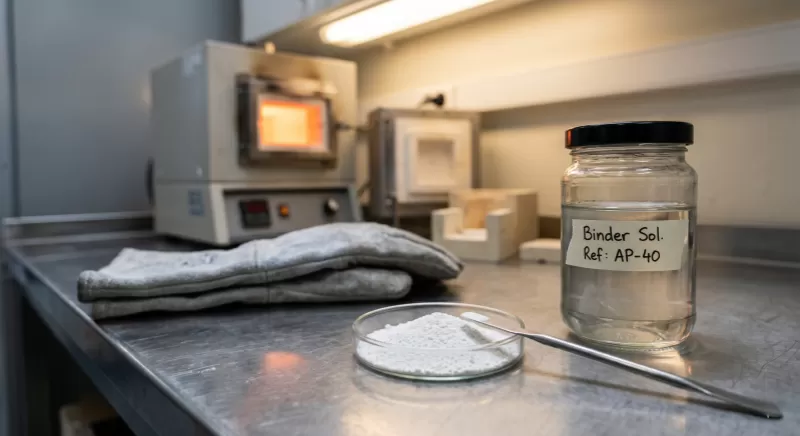
1. The Chemistry of Excellence: What Makes the Tetrahydrate Form Unique?
Zinc phosphate exists in both anhydrous and hydrated states, but the tetrahydrate form (Zn₃(PO₄)₂·4H₂O) provides distinct advantages in surface coatings. Its mineral counterpart, hopeite, features an orthorhombic crystal lattice that governs how it dissolves.
Molecular Structure and Controlled Solubility
An anti-corrosive pigment must balance two conflicting requirements. If it dissolves too fast, water blisters the paint film. If it does not dissolve at all, it cannot release protective ions.
The solubility of zinc phosphate tetrahydrate solves this problem. It possesses an extremely low aqueous solubility of roughly 0.015 to 0.02 grams per liter at ambient temperatures.
This controlled solubility provides a sustained-release mechanism. When moisture penetrates a cured coating, the tetrahydrate crystal releases zinc (Zn²ℚ) and phosphate (PO₄²⁻) ions steadily over many years.
Physical Properties in the Coating Matrix
Formulators value raw materials that integrate smoothly into their production grind. Zinc phosphate tetrahydrate integrates into standard pigment pastes without extreme shear requirements.
| Property Parameter | Technical Value |
| Chemical Formula | Zn₃(PO₄)₂·4H₂O |
| CAS Number | 7779-90-0 |
| Molecular Weight | 458.11 g/mol |
| Density | 3.0 to 3.2 g/cm³ |
| Refractive Index | 1.58 - 1.62 |
| Oil Absorption | 25 - 35 g / 100g |
| pH Value (Aqueous Slurry) | 6.0 - 7.5 |
Because its refractive index sits near 1.60, it behaves as a translucent white powder in typical binders. Formulators can produce white, light gray, or colored primers without tinting interference.
Its moderate oil absorption allows high pigment volume concentrations (PVC) without driving paint viscosity out of specification. This characteristic keeps processing costs low during industrial dispersion.
2. How It Works: The Anti-Corrosion Mechanism Explained
Zinc phosphate tetrahydrate prevents rust through chemical activity, not just by sitting in the film as a passive barrier. It protects metal through an active three-step mechanism.
The Passivation Process
When atmospheric water passes through a topcoat, it slowly dissolves micro-quantities of the pigment. This creates a mild ionic reservoir at the interface between the steel and the organic primer.
The liberated phosphate ions react with iron atoms oxidized at the anode:
2 PO₄²⁻ + 3 Fe²ℚ → Fe₃(PO₄)₂
This reaction forms an insoluble, tightly bonded layer of vivianite and phosphophyllite (Zn₂Fe(PO₄)₂·4H₂O) across the substrate. This conversion layer shields active steel sites and shuts down the primary corrosion cell.
Neutralization and Hydrolysis
Atmospheric pollutants such as sulfur dioxide, nitrogen oxides, and acidic rain migrate into coating defects. Unchecked acids accelerate cathodic delamination and corrode the metal underneath.
Zinc phosphate hydrolyzes slightly in acidic environments to produce buffering compounds. These basic complexes neutralize penetrating acids within the dry film.
By consuming hydronium ions, the pigment stabilizes the micro-pH near the metal surface. This arrests under-film corrosion and stops rust creep around scratches.
Synergistic Barrier Effect
The four waters of hydration within the crystalline structure stay stable under standard baking and curing conditions, up to roughly 105°C.
These hydrate crystals orient throughout the crosslinked resin matrix. They force corrosive species, especially chloride ions, to follow a winding path through the dry film.
This tortuous diffusion path delays aggressive ions from reaching bare steel. The chemical passivation combined with this physical barrier provides durable, long-term protection.
3. The Decisive Factors: Why Zinc Phosphate Tetrahydrate Outperforms Alternatives
Coating chemists evaluate anti-corrosive pigments based on safety, raw material cost, resin compatibility, and performance. Zinc phosphate tetrahydrate reliably checks every box.
The Environmental and Regulatory Advantage
Modern compliance rules leave no margin for toxic heavy metals. Environmental regulations like REACH, RoHS, and OSHA standards restrict the use of hexavalent chromium and lead-based pigments.
The debate of zinc phosphate vs chromate ended when testing proved tetrahydrate pigments could pass rigorous salt-spray checks without environmental toxicity hazards.
It carries low acute toxicity, minimal aquatic hazards when formulated correctly, and no carcinogenicity tags. Workers handle it without the stringent clinical controls required for chromate dusts.
Performance vs. Cost-Efficiency
Zinc dust provides outstanding cathodic protection in zinc-rich primers, but it presents serious manufacturing hurdles. It requires high loading rates, often exceeding 75% to 85% by weight.
This high pigment load increases formulation weight, settles out during transport, and drives raw material costs up. Graphene and carbon nanotubes show promise in lab tests, but high raw material costs limit their use in large-scale manufacturing.
Zinc phosphate tetrahydrate works effectively at much lower pigment loading rates, usually 5% to 15% by weight. This efficiency cuts raw material expenses while maintaining steady corrosion resistance over long lifespans.
Quality raw material manufacturers like Xinsheng optimize particle size distribution to yield maximum corrosion resistance at economical loading levels.
Versatile Resin Compatibility
A plant cannot purchase twenty different inhibitors for twenty different paint lines. Procurement teams prefer versatile raw materials that perform reliably across multiple chemistry platforms.
- 2K Epoxy Primers: Shows good dispersion, will not disrupt polyamine or polyamide curing reactions, and supports heavy film builds.
- Short and Medium Oil Alkyds: Does not cause livering or viscosity creep in solvent-based decorative industrial paints.
- Polyurethane Systems: Low surface moisture avoids reacting with isocyanate curing agents.
- Waterborne Formulations: Controlled ionic release maintains paint viscosity without breaking acrylic emulsions.
| Feature | Zinc Phosphate Tetrahydrate | Hexavalent Chromates | Metallic Zinc Dust | Organic Inhibitors |
|---|---|---|---|---|
| Toxicity Profile | Non-toxic & safe | Highly toxic, carcinogenic | Low toxicity | Low toxicity |
| Regulatory Status | REACH/RoHS Compliant | Banned or strictly controlled | Compliant | Compliant |
| Formulation Loading | 5% - 15% | 5% - 10% | 60% - 85% | 1% - 3% |
| Raw Material Cost | Low to Moderate | High (compliance costs) | High (due to high mass) | Very High |
| In-Can Stability | Excellent | Good | Prone to hard settling | Variable |
| Color Flexibility | Translucent / Any color | Yellow / Reddish only | Metallic gray only | Clear / Pale |
4. Real-World Applications: Where the Gold Standard Shines
Lab testing is useful, but performance in harsh industrial environments proves real capability. Zinc phosphate tetrahydrate consistently passes stringent long-term durability tests.
Marine and Offshore Structures
Ships, ballast tanks, and offshore platforms operate under relentless moisture, UV exposure, and seawater. Marine primers must resist severe blistering and cathodic disbondment.
High-build marine epoxy primers containing zinc phosphate tetrahydrate pass 3,000-hour ASTM B117 salt spray tests with minimal rust creep at the scribe. They provide reliable foundation coats under polyurethane topcoats.
Automotive OEM and Refinish
Automotive body panels face road salt, stones, and humidity cycles. Automotive paint systems demand thin film builds with good adhesion to electrocoat, bare steel, and aluminum.
Because zinc phosphate particles grind down to low micron ranges, they yield clean finishes in automotive wash primers and surfacers without causing surface texture defects.
Heavy-Duty Infrastructure
Bridges, cranes, railcars, and chemical storage tanks require coatings with 15- to 25-year maintenance intervals. The ISO 12944 standard sets tough hurdles for these environments (C4 and C5 zones).
Tetrahydrate systems pass these outdoor exposure tests year after year. They maintain bond strength to blast-cleaned steel and slow the progress of rust under the primer film.
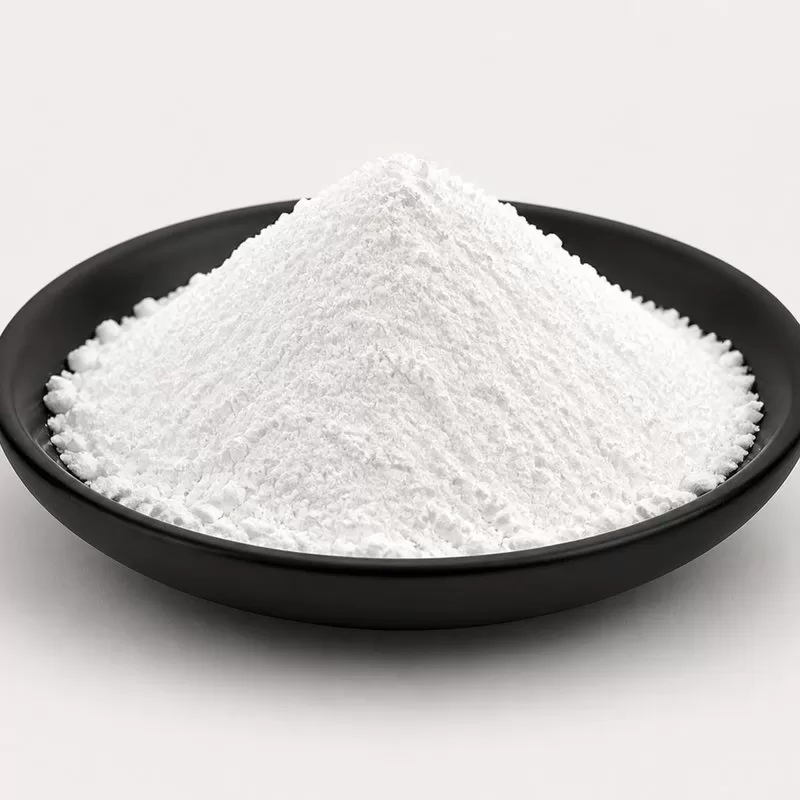
5. The Future: Can Innovation Topple the Reign of Zinc Phosphate?
R&D labs keep developing new anti-corrosive pigments, but zinc phosphate continues to adapt rather than disappear.
Raw material processors now offer modified chemistries, combining tetrahydrate crystals with aluminum, molybdenum, or organic modifications. Aluminum-modified zinc phosphate improves early rust inhibition in thin-film industrial primers.
Micronized processing represents another clear improvement. Ultrafine milling gives paint makers higher active surface area per pound of pigment, which drops overall formula loading requirements.
As solvent regulations tighten worldwide, waterborne industrial coatings continue to gain market share. Zinc phosphate tetrahydrate performs cleanly in low-VOC waterborne acrylic, epoxy, and PUD platforms.
Its balanced water solubility prevents early paint coagulation while generating sufficient passive ions during the drying stage. It continues to secure its place as a dependable workhorse for modern industrial coatings.
Frequently Asked Questions (FAQ)
Q1: Is zinc phosphate tetrahydrate completely non-toxic?
A1: Yes, it is classified as a safe, non-toxic anti-corrosive pigment. It contains no lead, hexavalent chromium, or heavy metals listed on hazardous restriction lists. It complies with major global standards, including REACH, RoHS, and EPA guidelines.
Q2: What is the recommended dosage of zinc phosphate in primer formulations?
A2: Paint formulators typically use between 5% and 15% by total weight in standard primer batches. In high-performance systems, engineers adjust this range to match the desired Pigment Volume Concentration (PVC) and meet specific ISO 12944 performance classes.
Q3: How does the tetrahydrate form differ from anhydrous zinc phosphate?
A3: Zinc phosphate tetrahydrate contains four bound water molecules inside its crystal structure (Zn₃(PO₄)₂·4H₂O). This hydrate matrix ensures controlled solubility in water. Anhydrous zinc phosphate dissolves too slowly, which limits its ability to passivate steel during early moisture exposure.
Q4: Can zinc phosphate tetrahydrate be used in waterborne coating systems?
A4: Yes, it works well in water-based epoxy, acrylic, and hybrid primers. Because its ionic solubility is low, it releases few free ions into liquid paint. This prevents emulsion instability and avoids in-can gelling during shelf storage.
Q5: Does zinc phosphate interfere with topcoat adhesion?
A5: No, it typically improves intercoat adhesion. Its neutral pH, fine particle profile, and chemical stability create a balanced surface for polyurethane, acrylic, or fluoropolymer topcoats, without creating brittle interfaces.
Conclusion & Sourcing Guide
Zinc phosphate tetrahydrate earned its reputation through decades of proven performance. It delivers low toxicity, simple processing, multi-resin stability, and dependable chemical passivation across tough industrial environments.
Formulators avoid chasing volatile pigment trends because this established material provides predictable, long-lasting corrosion protection at practical costs.
Consistent coating performance starts with pure, uniform raw materials. Xinsheng manufactures premium-grade zinc phosphate tetrahydrate with optimized particle profiles, low moisture variation, and tight quality tolerances. Contact our technical sales team today to request product data sheets, regulatory dossiers, and working evaluation samples for your next coating trial.