
Industrial procurement teams often struggle when reviewing quotes for inorganic chemicals. You can request three quotes for aluminium phosphate and receive three drastically different numbers. Why does one supplier quote double the price of another for what seems to be the exact same compound?
A simple quote never tells the whole story. The market aluminium phosphate price reflects raw material volatility, technical processing requirements, impurity profiles, and supply chain stability. If you buy solely on base price, you risk batch failures, line stoppages, and poor formulation performance.
Since 1993, Xinsheng has produced specialty industrial phosphates for coatings and high-temperature refractories. In this guide, we break down the operational and chemical factors that determine the real cost of aluminium phosphate, helping your purchasing team budget accurately and source strategically.
Need a competitive quote for high-purity aluminium phosphate? Contact Xinsheng's technical sales team today for custom specifications and bulk volume pricing.
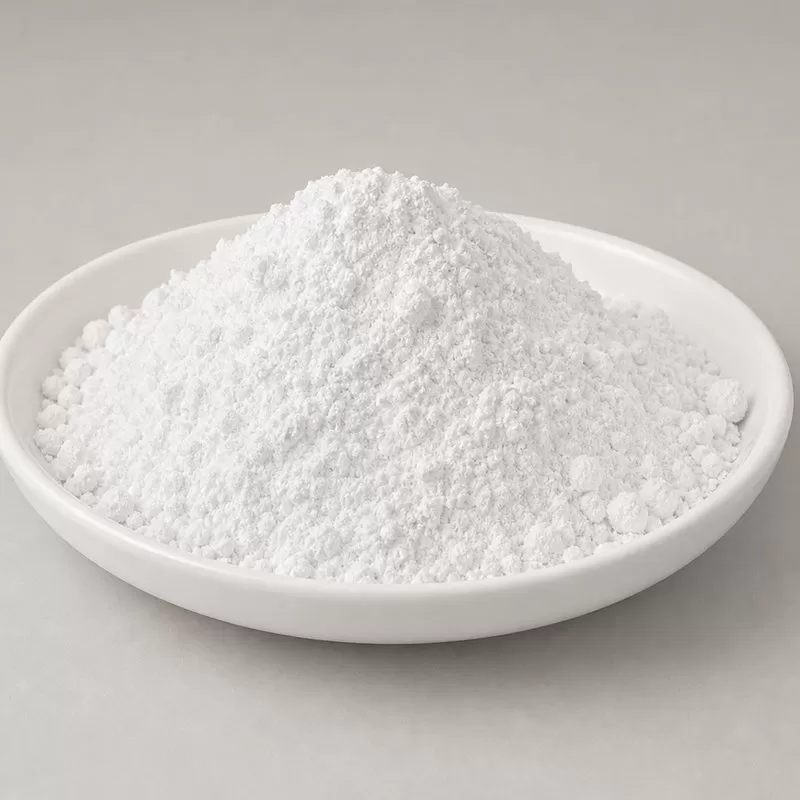
Understanding the Baseline: What Is Aluminium Phosphate?
Aluminium phosphate refers to an entire family of aluminium salts based on phosphoric acid. The core chemistry involves reacting a reactive aluminium source with concentrated phosphoric acid under tight thermal and pressure controls. The resulting products serve two massive industrial segments:
Protective and Industrial Coatings: Formulated as non-toxic, eco-friendly anti-corrosive pigments to replace toxic chromates and lead-based inhibitors.
Refractories and High-Temperature Ceramics: Utilized as chemical binders that create exceptional bonding strength under elevated thermal exposure.
Because these applications demand distinct physical properties, the product cannot follow a single standardized price. The chemical structure, hydration state, and purity grade dictate baseline manufacturing costs before the material ever ships.
Five Primary Factors Driving the Aluminium Phosphate Price
When you analyze an aluminium phosphate price, look beyond supply and demand. Five primary cost drivers control manufacturer pricing structures:
1. Upstream Raw Material Volatility
Aluminium phosphate production relies directly on two key industrial feedstocks: phosphoric acid (thermal or wet-process purified) and aluminium hydroxide (alumina hydrate). Any cost movement in these raw materials immediately shifts finished product pricing.
Phosphorus rock mining and processing require intensive energy inputs. Regional environmental inspections, electricity quotas, and seasonal shifts in fertilizer demand cause rapid swings in yellow phosphorus and industrial-grade phosphoric acid pricing. When energy rates spike or environmental controls cut mining quotas, raw feedstocks become more expensive.
Aluminium hydroxide follows global bauxite refining cycles and alumina spot markets. When both feedstocks experience simultaneous supply constraints, chemical plants must adjust their base manufacturing rates to cover raw material procurement costs.
2. Chemical Formula, Product Form, and Technical Grades
Buyers often say "aluminium phosphate" when referring to specific sub-chemistries. Each variant requires different processing setups and capital investments, creating distinct pricing tiers:
Aluminium Orthophosphate ($AlPO_4$): Widely used in ceramics, catalysts, and specialty glass. Synthesis demands high conversion rates to avoid residual unreacted acid.
Aluminum Dihydrogen Phosphate ($Al(H_2PO_4)_3$): Common in the refractory industry. The liquid form requires precise dilution, solid content stabilization, and specialized liquid storage tanks. The powder form requires intensive spray-drying operations that consume massive amounts of thermal energy, raising the unit price above the liquid variant.
Aluminum Tripolyphosphate ($AlH_2P_3O_{10} \cdot 2H_2O$): The benchmark non-toxic anti-corrosion pigment for paints and primers. It requires advanced multi-stage thermal condensation. Processing must prevent unreacted polyphosphate residues from destabilizing industrial coatings.
Aluminium Metaphosphate ($Al(PO_3)_3$): Specialized optical and laser applications that require higher thermal dehydration temperatures, resulting in premium pricing.
Industrial buyers must clarify whether they need liquid binders or dried micro-powders. Physical drying, milling, and surface treatment steps significantly add to the overall aluminum phosphate cost.
3. Specification Rigor: Purity, Particle Size, and Free Acid
Commodity-grade chemicals carry looser tolerances than specialty materials. The tighter your technical specifications, the more quality control steps your supplier must run:
Particle Size Distribution ($D_{50}$ and $D_{98}$): For anti-corrosive pigments, paints demand fine, easily dispersed powders (often sub-micron to 5 microns). Fine jet-milling and air classification consume considerable power and slow production throughput, driving up the final aluminium phosphate price.
Free Acid Content: Unreacted phosphoric acid is disastrous for coating shelf-stability and causes premature gelation in binder mixes. Neutralizing, washing, and checking residual free acid demands strict reaction monitoring.
Trace Impurities: Iron ($Fe$), heavy metals, and chloride ions degrade refractory performance and alter white pigment coloration. Lowering trace iron thresholds requires using higher-purity feedstocks that naturally command higher prices.
4. Environmental Compliance and Sustainable Manufacturing
Phosphate synthesis creates solid residues and acidic wash-water. In recent years, global environmental regulators have shut down small, non-compliant workshops that dumped untreated waste to cut costs. These illicit operations provided artificially low quotations at high supply risk.
Modern manufacturers like Xinsheng invest heavily in automated closed-loop reaction systems, acidic scrubber technology, and advanced wastewater treatment plants. Operating within strict environmental frameworks ensures continuous, uninterrupted production. This operational compliance protects buyers from unexpected factory closures, export delays, and supply chain disruptions.
5. Packaging, Handling, and Global Logistics
Packaging options directly impact your landed invoice. Liquid aluminium dihydrogen phosphate requires high-density polyethylene (HDPE) drums or 1.2 to 1.5-ton intermediate bulk containers (IBCs). These containers add packaging fees and tare weight to ocean freight calculations.
Powder formulations require moisture-proof, multi-layer kraft paper bags lined with PE or reinforced woven jumbo bulk bags. If material absorbs atmospheric moisture during oceanic shipping, it cakes and hardens, rendering it unusable.
Global ocean freight rates, fuel surcharges, container repositioning fees, and port congestion also cause the landed aluminium phosphate price to fluctuate, even when base factory-gate rates stay flat.
The True Cost of Cheap Phosphate: Hidden Risks in Procurement
When reviewing bids, choosing the lowest quotation is tempting. In technical manufacturing, however, discounted phosphate materials often introduce hidden risks that erase initial savings.
If an anti-corrosion pigment manufacturer fails to control grain size, paint formulators must run prolonged bead-milling cycles. This wears down machinery and wastes labor hours. High free acid content in cheap phosphates destabilizes coating viscosity in storage, leading to customer rejections and product recalls.
In refractory brick and monolithics production, unstable $Al_2O_3$ to $P_2O_5$ molar ratios cause unpredictable setting times. Binders might cure too fast during placement or fail to generate mechanical green strength at target temperatures. Structural failure in a high-temperature furnace costs thousands of times more than what was saved on the binder raw material.
Savvy chemical purchasers evaluate total cost of ownership (TCO). Consistent, well-engineered phosphates reduce raw material consumption, eliminate formulation rework, and ensure dependable final product performance.
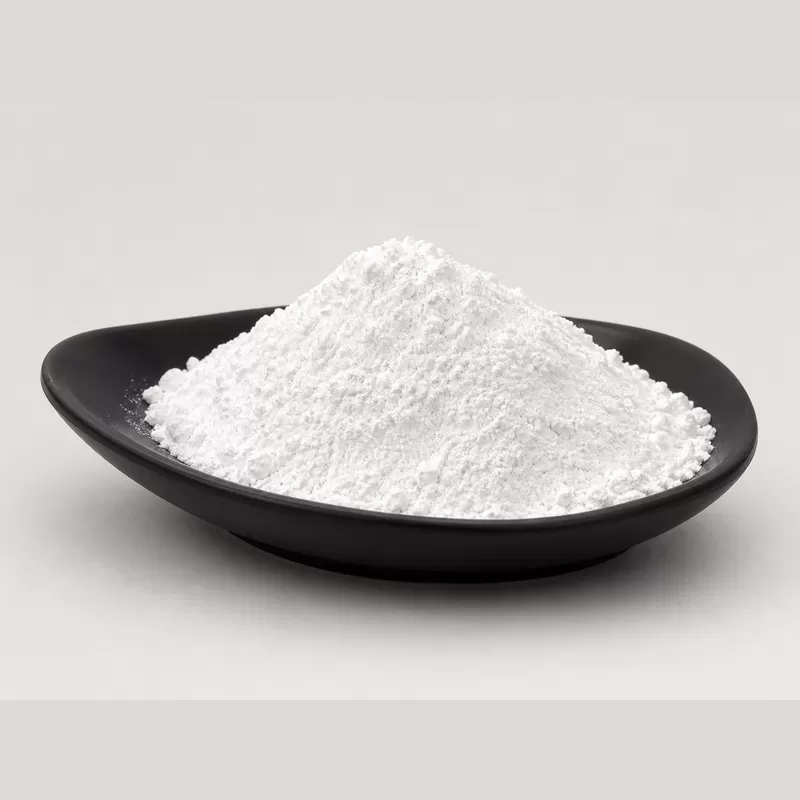
Why Sourcing from Xinsheng Optimizes Procurement Budgets
Finding a dependable balance between product quality and factory-direct pricing requires partnering with an experienced chemical manufacturer. Xinsheng provides major industrial buyers with clear operational advantages:
Direct Manufacturer Pricing: Established in 1993, we synthesize all our products in our own modern plants. You deal directly with the chemical producer, bypassing multiple layers of traders and broker commissions.
Complete Product Selection: We supply a wide range of phosphate compounds, including aluminium dihydrogen phosphate liquid and powder, condensed aluminium tripolyphosphate pigments, zinc orthophosphates, and custom blends.
Strict Lot-to-Lot Consistency: We control feedstocks and utilize automated process controls to keep particle size, $pH$, solubility, and free acidity within narrow tolerances on every batch.
Export Supply Stability: Decades of export experience means our products are packed and documented properly for international sea freight, customs clearance, and safe transit.
Working directly with our engineering and synthesis team gives you reliable market analysis, transparent cost calculations, and tailored specifications that fit your budget.
Frequently Asked Questions (FAQ)
Q1: What is the typical shelf life of aluminium phosphate
products?
A1: Powdered aluminium tripolyphosphate and solid
aluminium orthophosphate typically maintain a shelf life of 12 to 24 months when
stored unopened in cool, dry conditions. Liquid aluminium dihydrogen phosphate
binders should generally be used within 6 to 12 months, as extended storage in
unheated warehouses can trigger crystallization or stratification.
Q2: Why does powdered aluminium dihydrogen phosphate cost more than
the liquid solution?
A2: The powdered version requires spray-drying
or vacuum-drying concentrated liquid solution under controlled thermal limits.
This process consumes substantial electrical power and natural gas. Packaging
and anti-caking measures also add to processing overhead, making the powder
version more expensive per dry ton than the base liquid.
Q3: How do export tariffs and hazardous materials classifications
impact the aluminium phosphate price?
A3: Standard neutral aluminium
phosphates are shipped as non-hazardous industrial goods. However, certain
acidic formulations or low-pH liquid dihydrogen phosphate solutions are
classified as mildly corrosive liquids (Class 8) for international transport.
This designation requires UN-certified drums, hazardous cargo declarations, and
higher maritime freight surcharges.
Q4: Can adjusting particle size distribution ($D_{50}$) reduce my
formulation costs?
A4: Yes. Ordering an excessively fine powder
(e.g., $D_{50} < 2 \mu m$) when your application only needs a standard grade
($D_{50} \approx 5 \mu m$) adds unnecessary milling costs. Matching the exact
particle distribution to your application prevents over-specifying and lowers
your purchase price.
Q5: What is the minimum order quantity (MOQ) when buying directly
from a manufacturer like Xinsheng?
A5: Direct manufacturer MOQs
usually start at one full pallet (approx. 1 ton) for powders or one IBC tote for
liquids. However, the most cost-effective aluminium phosphate
price is achieved at full 20-foot containerload (FCL) volumes (around
20 to 24 metric tons), which maximizes container space and lowers ocean freight
costs per ton.
Strategic Sourcing for Phosphate Materials
Securing the best aluminium phosphate price requires looking beyond the unit rate on a quote sheet. True chemical procurement focuses on balancing purity, chemical stability, regulatory compliance, and consistent supply.
Understanding raw material shifts, precise specifications, and production methods protects your manufacturing operations from costly batch failures and delivery delays.
Are you looking to secure your supply chain with high-grade, factory-direct phosphates? Contact the technical team at Xinsheng today. Request a product catalog, order testing samples, or discuss custom technical requirements with our chemical specialists.