
Corrosion extracts a massive toll on global infrastructure, costing heavy industries trillions of dollars annually. Plant managers and coating engineers face constant pressure to balance strict environmental mandates with long-term asset survival. Achieving multi-year corrosion protection without excessive operational overhead remains a formidable challenge.
Despite the influx of alternative conversion chemistries, modern manufacturing continues to rely on zinc phosphate as the foundational benchmark. Material specialists such as Xinsheng provide engineered phosphate formulations that bridge the gap between traditional reliability and modern ecological compliance.
This technical guide examines current industrial zinc phosphate use, detailing crystal nucleation mechanisms, multi-metal processing routines, bath operational parameters, and total-cost-of-ownership comparisons.
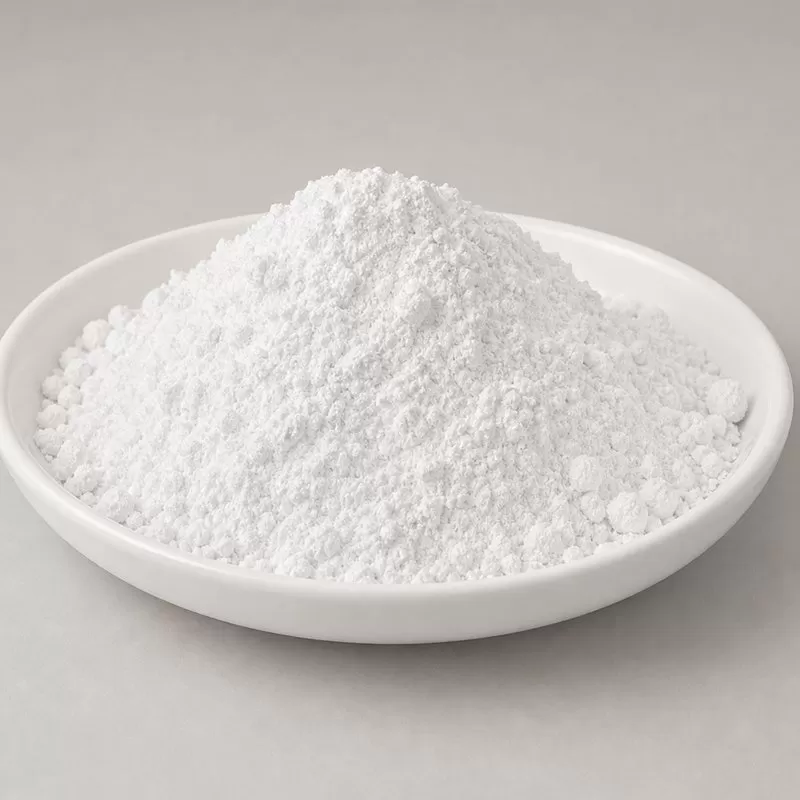
The Engineering Mechanism: Crystal Growth and Substrate Passivation
To understand why this conversion chemistry endures, we must examine the microcrystalline layer formed during the zinc phosphate coating process. When clean steel, zinc-coated metal, or aluminum enters an acidic phosphating bath, a targeted micro-etching reaction initiates crystal deposition.
The substrate dissolves slightly at micro-anodes, consuming local hydrogen ions and causing an interfacial pH jump. This shift drives the precipitation of tertiary zinc phosphate crystals directly onto the metallic substrate:
Hopeite Crystal Formation: On plain carbon steel and galvanized surfaces, the bath generates zinc phosphate dihydrate or tetrahydrate, predominantly Hopeite [Zn3(PO4)2·4H2O].
Phosphophyllite Deposition: When ferrous ions dissolve from cold-rolled steel, they integrate into the crystal matrix to form Phosphophyllite [Zn2Fe(PO4)2·4H2O]. This iron-rich phase offers superior acid resistance and alkaline rinse stability compared to pure Hopeite.
This dense mineral layer serves a dual purpose. First, it passivates active anodic sites across the metal, preventing the migration of corrosive moisture, oxygen, and electrolytes. By arresting ionic transport along the interface, it effectively stops cathodic delamination when topical coatings suffer mechanical scratches.
Second, the interlocking crystalline morphology creates exceptional physical tooth. Organic coatings, such as cathodic electrodeposition primers (E-coat) and structural powder systems, flow into these microscopic crevices. Upon curing, the system achieves an interlocking mechanical bond that smooth sheet metal cannot provide on its own.
Primary Industrial Zinc Phosphate Applications
Current manufacturing demands diverse performance profiles from surface conversion treatments. From automotive assemblies to heavy structural steel, specialized metal pretreatment chemicals provide predictable field reliability.
1. Automotive Body-in-White (BIW) Pretreatment
The automotive industry represents one of the largest sectors relying on continuous conversion coatings. Modern car bodies integrate cold-rolled steel, galvanized steel, and structural aluminum alloys on the same production line.
Tri-cation phosphating baths solve this multi-metal challenge. These formulations introduce controlled levels of nickel and manganese ions alongside zinc. Manganese promotes a refined, microcrystalline structure that accommodates stamping flex, while nickel improves alkaline stability during cathodic E-coat curing cycles. This multi-metal treatment ensures uniform passivating coverage across welded seams and hem flanges.
2. Anti-Corrosion Pigments for Heavy Duty Primers
Beyond conversion baths, chemical manufacturers utilize fine mineral powders as direct anti-corrosion pigments in industrial paint formulations. Zinc orthophosphate dihydrate acts as a non-toxic replacement for legacy hexavalent chromate primers.
Formulated into high-solids epoxy, polyurethane, and alkyd systems, these pigments react with corrosive acidic moisture entering the film. They slowly hydrolyze to form protective secondary complexes that buffer the substrate. Under ISO 12944 classification tests, primers utilizing this pigment regularly withstand several thousand hours of neutral salt spray (ASTM B117), qualifying them for severe C4, C5, and marine CX corrosion categories.
3. Cold Deformation and Wire Drawing Lubrication
Cold forging, heavy wire drawing, and tube extrusion exert tremendous mechanical stress on tooling. Bare metal-to-metal contact triggers galling, chatter marks, and tool fracture. Here, specialized zinc phosphate use operates as an extreme-pressure lubrication carrier.
Technicians run raw wire rod through a heavy phosphating bath to grow a porous, thick crystal layer (5 to 15 g/m²). The stock is then dipped in a reactive sodium stearate soap solution. The soap reacts with surface zinc to form insoluble zinc stearate chemically bonded into the crystal matrix. This ductile barrier withstands extreme die pressures, lowers drawing friction, and substantially extends tool life.
4. Niche Industrial and Technical Applications
Modified formulations also serve high-specification niche markets:
Dental Restorative Cements: Zinc phosphate powder mixed with buffered phosphoric acid liquids forms high-compressive-strength luting agents used for crowns and fixed bridges.
Fire-Retardant Systems: Modified zinc phosphates act as synergists in intumescent coatings, developing protective char barriers during high-temperature exposure.
High-Tensile Fastener Coatings: Threaded structural bolts receive microcrystalline coatings sealed with protective corrosion oils to ensure consistent torque-tension relationships without hydrogen embrittlement risks.
Procurement Matrix: Zinc Phosphate vs. Alternative Systems
Selecting the right conversion process requires plant leadership to weigh technical performance against initial chemical costs and operating expenditures. The comparison table below highlights functional tradeoffs among common industrial systems.
| Parameter | Tri-Cation Zinc Phosphate | Iron Phosphate | Zirconium / Silane Thin Films |
|---|---|---|---|
| Coating Weight | 1.5 – 4.5 g/m² | 0.2 – 0.8 g/m² | 0.02 – 0.08 g/m² |
| Corrosion Resistance (ASTM B117) | 1000 to 3000+ Hours (with E-coat) | 250 to 500 Hours | 500 to 1500 Hours (paint dependent) |
| Substrate Versatility | High (Steel, HDG, EG, Aluminum) | Medium (Primarily Steel) | High (Multi-metal flexible) |
| Process Stages | 7 to 11 Stages | 3 to 5 Stages | 4 to 6 Stages |
| Sludge Generation | Moderate to High | Very Low | Negligible |
| Impact / Mechanical Durability | Exceptional | Moderate | Fair to Good |
Evaluating Zinc Phosphate vs. Iron Phosphate
When running a low-cost, light-duty consumer product line, iron phosphate offers low chemical entry costs and simple bath maintenance. However, for agricultural machinery, mining enclosures, and chassis parts, iron phosphate falls short. Its thin amorphous iron oxide/phosphate matrix fails rapidly once salt spray tests exceed 400 hours. Zinc phosphate provides the mechanical bulk and electrochemical buffer needed for heavy operating wear.
Evaluating Zinc Phosphate vs. Zirconium Nanotechnology
Zirconium and organo-functional silane washes have gained ground because they run at ambient temperatures and produce minimal precipitation. For light automotive panels, these systems perform adequately. Yet across heavy off-highway equipment and casting assemblies, thick crystalline zinc conversion remains preferred. Nanofilms are extraordinarily thin, making them vulnerable to underlying substrate roughness and blast profile peaks. The robust crystalline Hopeite barrier bridges surface irregularities and tolerates micro-contamination better than nano-coatings.
Bath Maintenance, Sludge Control, and Environmental Compliance
Achieving consistent results across dynamic production schedules requires strict phosphating bath maintenance. Unbalanced bath parameters lead to coarse, dusty coatings that ruin paint gloss and compromise adhesion.
Modern process lines utilize three primary control parameters:
Free Acid (FA): Quantifies unbound phosphoric acid. Excessive FA aggressively etches base metal and inhibits uniform crystal nucleation. Low FA drops bath stability, causing premature chemical precipitation.
Total Acid (TA): Reflects overall phosphate components and dissolved metal concentrations. Operators track the TA/FA ratio (typically held between 8:1 and 12:1) to regulate crystalline density.
Accelerator Points: Chemical accelerators—such as sodium nitrite, nitrobenzene sulfonic acid, or hydrogen peroxide—oxidize dissolved ferrous iron into insoluble ferric species, accelerating crystal growth rates down to 2–3 minutes.
A frequent operational issue in traditional phosphating is chemical sludge (ferric phosphate precipitation). Contemporary chemical suppliers, including Xinsheng, optimize treatment baths with low-temperature accelerators and synthetic grain refiners. Colloidal titanium phosphate pre-rinses activate nucleation sites on sheet steel, creating billions of compact crystals per square millimeter. This fine crystal size lowers total coating weight without dropping corrosion resistance, cutting sludge output by up to 40%.
Environmental management also requires compliant wastewater treatment. Modern discharge systems deploy precipitation clarifiers to drop trace zinc and nickel ions below municipal effluent limits. Facilities that combine digital dosing pumps with automated photometric titrators maintain steady bath chemistries, minimize dump frequencies, and comply with strict corporate ESG metrics.
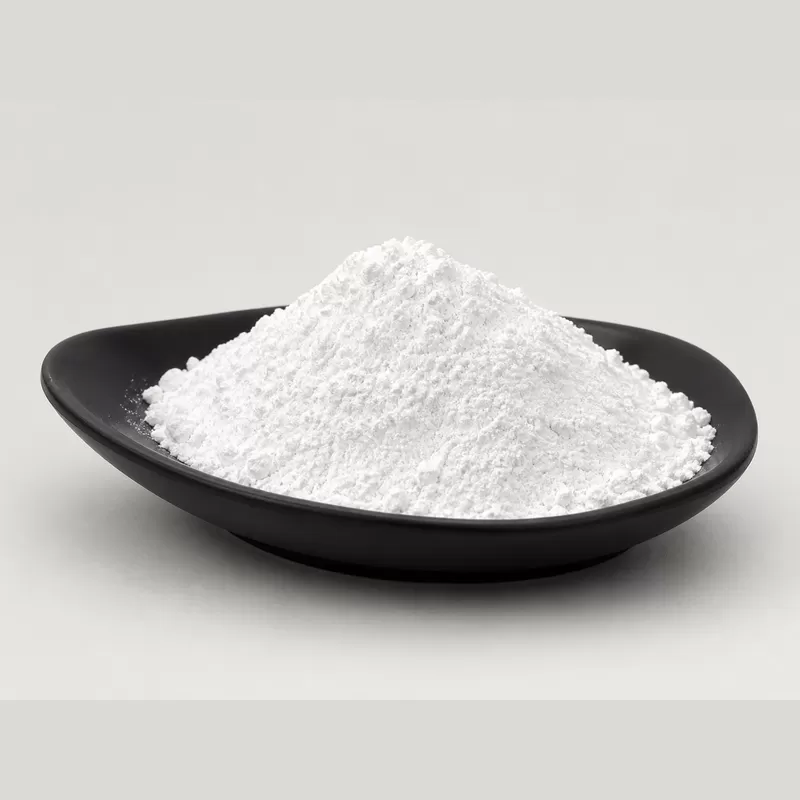
Technical Specifications and Sourcing Checklist for Procurement Teams
Procuring raw pigment powders or complete conversion packages demands comprehensive quality control checks. Low-grade raw materials yield variable crystalline densities, inconsistent paint leveling, and compromised corrosion performance.
Industrial buyers should mandate the following quality metrics on incoming Certificates of Analysis (CoA):
Chemical Purity: Total Zn3(PO4)2 content should exceed 98.5%. Trace heavy metals (arsenic, lead, cadmium) must remain well beneath RoHS and REACH limits.
Particle Size Distribution (D50 / D90): For liquid primers and powder coats, fine micronization is critical. A tight D50 between 2.0 to 4.5 microns avoids primer grit, prevents gun clogging, and eliminates orange-peel surface defects.
Oil Absorption Value: Consistent oil absorption (typically 20 to 35 g / 100g) allows stable pigment-loading calculations, ensuring predictable viscosity in high-solids primers.
Moisture and Volatiles: Water content must stay strictly below 1.0% (preferably < 0.5% at 105°C) to prevent pinholing, gassing, and cratering during high-bake paint cure schedules.
Batch Consistency: Reliable manufacturers demonstrate lot-to-lot consistency through narrow electrical conductivity bounds in aqueous extract testing.
Frequently Asked Questions
Q1: What makes zinc phosphate use superior to direct paint
application over blasted steel?
A1: Direct application of paint onto
freshly blasted metal leaves the interface susceptible to moisture migration.
Any micro-defect or scratch initiates flash corrosion, leading to cathodic
delamination. An initial conversion step deposits an inorganic, chemically
bonded Hopeite crystalline structure. This layer passivates the metal, blocks
electrochemical corrosion cells, and creates an interlocking mechanical surface
that anchors primers far more reliably than profile blast peaks alone.
Q2: Can zinc phosphate processes run effectively on mixed-metal
assemblies?
A2: Yes, utilizing modern tri-cation chemical
technology. Formulations combining zinc, nickel, and manganese allow operators
to treat cold-rolled steel, galvanneal, electro-galvanized sheet, and structural
aluminum alloys in a single immersion or spray line. Fluoride additions help
dissolve passive aluminum oxides, facilitating uniform conversion film growth
across all surfaces without inter-stage line separation.
Q3: How does temperature affect crystal formation during
treatment?
A3: Operating bath temperature directly governs reaction
kinetics and crystal dimensions. High temperatures (60°C to 80°C) accelerate
reaction rates but increase thermal energy costs and promote scale buildup on
heating coils. Modern modified conversion baths operate reliably at lower
temperatures (35°C to 45°C). When paired with titanium-based rinse conditioners,
these low-energy baths produce tight, fine-grained deposits without coarse
crystal defects.
Q4: Why is iron accumulation a problem in zinc phosphating baths, and
how is it managed?
A4: As acidic solutions treat carbon steel,
ferrous iron (Fe²⁺) dissolves into the bath. If left unchecked, excessive iron
produces loose, powdery coatings with weak paint adhesion. Operators introduce
oxidizing chemical accelerators to oxidize divalent ferrous iron into trivalent
ferric iron (Fe³⁺). This forms insoluble ferric phosphate, which falls out of
solution as sludge and is removed through mechanical plate filters or decanter
centrifuges.
Q5: What are the primary health and environmental regulations
impacting this chemistry?
A5: Key regulations include European Union
REACH, RoHS directives, and regional wastewater discharge limits. These
frameworks scrutinize heavy metals such as zinc, nickel, and local accelerator
byproducts (like sodium nitrite). Modern operations address these rules by
choosing low-nickel or nickel-free chemistries, utilizing organic
nitro-accelerators, and operating closed-loop rinse water recovery circuits.
Secure Your Anti-Corrosion Supply Line
Selecting the proper chemical grade and conversion process dictates whether industrial equipment withstands demanding outdoor environments or suffers premature field failure. Material quality, tight distribution parameters, and technical formulation know-how remain vital to stable, compliant plant operations.
Xinsheng manufactures high-grade conversion chemicals and specialty non-toxic anti-corrosion pigments tailored to current manufacturing specifications. Contact our surface finishing engineers today to review your line parameters, request technical data sheets, and secure sample lots for laboratory salt-spray verification.