
Corrosion protection is a non-negotiable priority across heavy machinery, marine infrastructure, automotive primers, and coil coatings. As global environmental mandates restrict hexavalent chromium and other toxic heavy metals, zinc phosphate remains the primary active inhibitor for modern anti-corrosion primers.
Procurement teams and formulation chemists in 2026 face complex market challenges. Volatile raw material costs, stricter REACH compliance, and uneven batch quality from unverified traders make supplier selection critical. You need manufacturing partners who offer chemical stability, verifiable test reports, and dependable shipping schedules.
Established producers like Xinsheng and international chemical groups have expanded their testing standards to guarantee predictable salt spray resistance and compatibility with waterborne resin systems.
Need immediate technical data or bulk pricing for your coating line? Submit your product inquiry today to receive comprehensive technical data sheets (TDS) and lab samples directly from qualified manufacturing specialists.
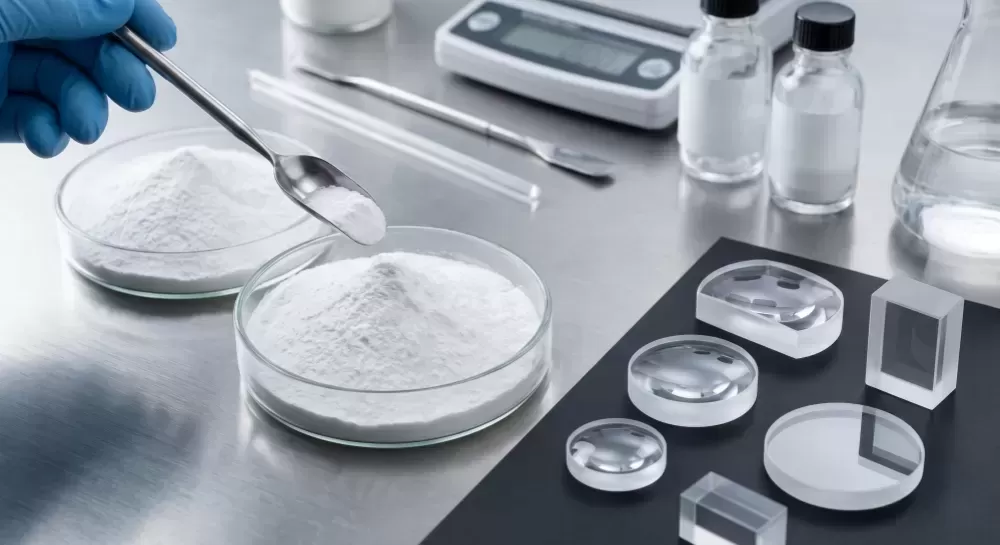
Procurement Guide: How to Evaluate Zinc Phosphate Suppliers
Selecting a chemical partner requires reviewing more than unit pricing on a commercial invoice. Low-grade phosphates cause formulation failures, including seeding, poor dispersion, altered drying times, and early blistering under salt spray tests. Use the following metrics to screen potential zinc phosphate suppliers.
1. Particle Size Distribution (D50 and D90)
Coarse particles ruin gloss and settle rapidly in storage tanks. Modern coatings require micro-milled zinc phosphate with tightly controlled particle distributions. A narrow curve between D50 (typically 2 to 5 microns) and D90 ensures smooth film formation and prevents nozzle clogging during high-pressure airless spraying.
2. Oil Absorption and Specific Gravity
Oil absorption directly influences how much binder your formulation consumes. Stable oil absorption values allow formulators to maintain standard pigment volume concentration (PVC) without unexpected viscosity spikes. Look for suppliers who guarantee an oil absorption range within a tight plus-or-minus tolerance.
3. Chemical Purity and Water-Soluble Matter
High levels of residual water-soluble salts promote osmotic blistering under humid conditions. Reliable suppliers keep water-soluble content below 0.5% (ISO 6745 standards) and monitor heavy metal traces such as lead, cadmium, and arsenic to ensure full compliance with international safety laws.
4. Direct Technical Communication
Dealing with third-party brokers often creates frustrating delays when your production engineers need modified particle sizes or updated safety data sheets. Working directly with factory technical departments speeds up problem resolution, customs clearance, and product customization.
5. Portfolio Synergy
Modern anti-corrosion systems rarely rely on a single pigment. Experienced manufacturers often synthesize complementary inhibitors, such as aluminum tripolyphosphate and aluminum dihydrogen phosphate, allowing you to source all your active phosphate pigments from a single audited facility.
Top 10 Zinc Phosphate Suppliers in the World
This directory reviews the top ten manufacturing operations serving global markets in 2026. Listings reflect production volume, quality assurance, technical support, and global export reliability.
1. Heubach Group (Germany / Global)
Heubach is one of the oldest and most established pigment manufacturers in the world. Their anti-corrosive portfolio includes standard zinc phosphates as well as organically modified orthophosphates designed for demanding industrial environments.
Primary Strengths: Extensive European distribution networks, recognized research laboratories, and advanced surface modification technologies.
Core Markets: High-end automotive primers, aerospace protective coatings, and industrial OEM finishes.
Considerations: Premium pricing structure and longer lead times for small-to-medium volume orders.
2. ICL Specialty Products / HALOX (USA / Israel)
Operating under the well-known HALOX brand, ICL specializes in advanced corrosion inhibitors, flash rust inhibitors, and tannin stain blockers. Their phosphate chemistries focus heavily on high-performance waterborne applications.
Primary Strengths: Industry-standard testing facilities and exceptional performance in thin-film coating formulations.
Core Markets: North American architectural, coil, and maintenance paints.
Considerations: Products are often formulated as proprietary hybrid blends rather than commoditized standard orthophosphates.
3. Xinsheng (Shijiazhuang City Xinsheng Chemical Co., Ltd. / China)
Founded in 1993, Xinsheng has built over three decades of focused experience in developing and manufacturing phosphate-based anti-corrosion pigments. Unlike trading intermediaries, Xinsheng operates dedicated chemical synthesis and micro-grinding lines that deliver direct factory quality control.
Primary Strengths: 30+ years of manufacturing expertise, exceptional batch-to-batch consistency, tightly controlled particle size options, and direct factory-to-client communication.
Product Portfolio: Comprehensive coverage including standard Zinc Phosphate, modified Zinc Phosphate, Aluminum Tripolyphosphate, and Aluminum Dihydrogen Phosphate for high-temperature applications.
Service Advantage: Agile export logistics, fast response times for TDS/COA generation, and accessible technical guidance for coating formulators.
4. PPG Industries - Chemical Products Division (USA)
PPG maintains large-scale chemical operations that feed both internal coating manufacturing lines and external industrial clients. Their specialty phosphate intermediates emphasize automotive pretreatment and primer resilience.
Primary Strengths: Vertical integration, vast research resources, and extensive real-world durability testing data.
Core Markets: Automotive electrocoat primers and heavy commercial vehicle protection.
Considerations: External availability of raw pigments varies depending on internal production demands.
5. PNC Delaphos (United Kingdom)
PNC Delaphos is a dedicated British manufacturer specializing in non-toxic anti-corrosive pigments. They have supplied European and international paint producers with solid, standard-grade zinc phosphate for decades.
Primary Strengths: Strict alignment with British and European chemical standards, reliable dispersion properties, and focus on heavy-duty steel coatings.
Core Markets: Structural steel, bridge maintenance coatings, and marine primers.
Considerations: Focus is primarily on standard grades, with fewer specialized modified hybrid options.
6. Fosfa (Czech Republic)
Fosfa is a key European processor of phosphorus-based chemicals. Their technical-grade phosphates serve diverse industrial markets, including metal surface treatment and anti-corrosion additive synthesis.
Primary Strengths: Strategic location within central Europe, modern eco-conscious production standards, and vertically integrated phosphoric acid sourcing.
Core Markets: European industrial paints, cleaning chemicals, and agricultural specialty nutrients.
Considerations: Anti-corrosion pigments represent only a small segment of their broad bulk phosphate business.
7. Chemische Fabrik Budenheim (Germany)
Budenheim produces tailored phosphate specialties for paints, coatings, plastics, and flame retardants. Their industrial division manufactures ultra-pure materials that integrate cleanly into specialized anti-corrosion systems.
Primary Strengths: High technical purity, sophisticated particle synthesis, and compliance with stringent environmental regulations.
Core Markets: Fire-retardant coatings, specialized technical paints, and electronic coatings.
Considerations: High-tier pricing suited best for specialized, high-margin finished products.
8. Tayca Corporation (Japan)
Tayca Corporation is a major Asian producer of micro-titanium dioxide and specialized anti-corrosive pigments. Their research teams have developed treated zinc phosphate lines that perform well in thin-film industrial primers.
Primary Strengths: Advanced milling technology, uniform micro-particle sizes, and low heavy-metal traces.
Core Markets: Japanese and regional Asian consumer electronics primers, automotive parts, and appliances.
Considerations: Export procedures outside the Asia-Pacific territory can involve complex regional distributor layers.
9. SNCZ - Société Nouvelle des Couleurs Zinciques (France)
SNCZ specializes in active anti-corrosive pigments, producing thousands of metric tons of zinc phosphate annually. They supply marine, aerospace, and general industrial paint producers globally.
Primary Strengths: Dedicated anti-corrosion product focus, comprehensive technical literature, and strong marine coating validation.
Core Markets: Offshore platforms, commercial shipping fleets, and heavy civil engineering.
Considerations: Sourcing can be subject to corporate restructuring policies and extended order lead windows.
10. Hansa Group (Germany)
Hansa manages chemical manufacturing and contract distribution across Europe. Their chemical synthesis divisions produce raw phosphate pigments for industrial primers, adhesives, and surface finishing compounds.
Primary Strengths: Broad chemical integration, large bulk storage capabilities, and strong logistics infrastructure throughout Europe.
Core Markets: European contract paint manufacturing and general industrial finishes.
Considerations: Direct technical support for specialized paint formulation can be limited compared to pure pigment producers.
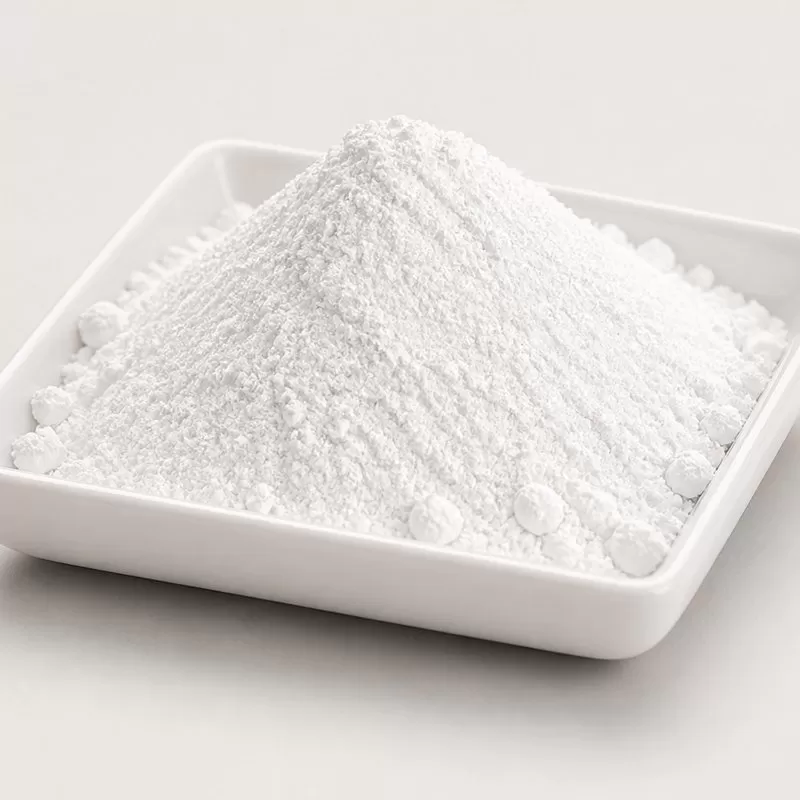
Beyond Standard Zinc Phosphate: Modern Formulation Trends
Zinc orthophosphate (Zn3(PO4)2) remains the standard active pigment in protective coatings. It works by releasing phosphate ions that passivate the metal surface, generating a crystalline hopeite film (Zn3(PO4)2·4H2O) that slows electrochemical oxidation.
Industrial applications now demand performance levels that push standard zinc phosphate beyond its natural limits. Understanding related phosphate technologies helps formulators build stronger protective systems.
Zinc Phosphate vs. Aluminum Tripolyphosphate
Environmental standards and extreme salt spray requirements have driven the adoption of aluminum tripolyphosphate (ATP). While standard zinc phosphate provides baseline durability, aluminum tripolyphosphate offers distinctive technical advantages:
Higher Ion Exchange: Tripolyphosphate ions (P3O10)5- create dense, insoluble chelates with iron substrates much faster than standard orthophosphate ions.
Early Flash Rust Prevention: ATP dissolves at a controlled, optimal rate, protecting waterborne coatings during the initial water-evaporation phase.
Extended Salt Spray Hours: Replacing 20% to 40% of standard zinc phosphate with aluminum tripolyphosphate often increases salt spray resistance by several hundred hours in epoxy and polyurethane systems.
Specialty Binders: Aluminum Dihydrogen Phosphate
Phosphate technology also extends into ultra-high-temperature and refractory systems. Liquid or solid aluminum dihydrogen phosphate acts as an inorganic binder rather than a passive pigment. When cured, it withstands temperatures exceeding 1000°C, making it indispensable for high-heat industrial mufflers, foundry mortars, and electrical insulation coatings.
Formulators often turn to manufacturers like Xinsheng to source these specialty phosphate materials together, streamlining their raw material procurement.
Why Industrial Formulators Rely on Xinsheng
Formulating coatings involves balancing chemical precision with predictable procurement. Operating since 1993, Xinsheng combines chemical heritage with modern quality control systems.
Paint manufacturers partner with Xinsheng for several distinct operational reasons:
Raw Material Traceability: Every batch is synthesized from certified industrial feedstocks, avoiding contamination by heavy metals or unpredictable soluble salts.
Standardized Batch Milling: Precision classifiers ensure consistent D50 particle distributions, preventing production downtime and filtration problems in your factory.
Integrated Phosphate Lineup: Sourcing standard zinc phosphate, aluminum tripolyphosphate, and aluminum dihydrogen phosphate from a single producer simplifies testing and lowers freight expenses.
Responsive Export Support: Technical teams prepare Certificates of Analysis (COA), safety data sheets, and custom packaging quickly, ensuring containers clear ports smoothly.
Frequently Asked Questions (FAQ)
Q1: What is the recommended loading level of zinc phosphate in an epoxy primer?
A1: Standard epoxy protective primers typically use between 5% and 15% zinc phosphate by total formulation weight. The precise percentage depends on your target Pigment Volume Concentration (PVC), dry film thickness, and exposure conditions. High-build marine primers generally perform best near the 10% to 12% range.
Q2: How does zinc phosphate perform in waterborne coatings?
A2: Zinc phosphate functions well in waterborne acrylic, epoxy, and alkyd systems. However, formulators must monitor pH carefully. Waterborne systems require stable dispersion without premature zinc ion reaction, which can destabilize emulsions. Many engineers blend zinc phosphate with aluminum tripolyphosphate to control flash rusting during drying.
Q3: Can zinc phosphate replace chromate pigments entirely?
A3: Yes. Zinc phosphate is the proven industrial replacement for zinc chromate and strontium chromate. While chromates rely on carcinogenic hexavalent chrome, zinc phosphate provides a non-toxic passivation layer that meets modern environmental, occupational health, and safety regulations.
Q4: What causes batch variation when sourcing from secondary zinc phosphate suppliers?
A4: Secondary suppliers and chemical brokers frequently mix lots from different sub-tier plants. This introduces fluctuations in free phosphoric acid, unreacted zinc oxide, moisture content, and particle sizing. Purchasing directly from a dedicated manufacturer like Xinsheng minimizes these variables through unified process controls.
Q5: What packaging options are standard for international ocean freight?
A5: Standard export packaging consists of 25kg multi-ply paper bags lined with moisture-resistant polyethylene, stacked on heat-treated pallets, and stretch-wrapped. Bulk super-sacks (500kg to 1000kg) are also available for large-volume industrial paint producers.
Conclusion: Choosing the Right Sourcing Partner
Selecting reliable zinc phosphate suppliers is a crucial step in maintaining coating quality and protecting commercial reputation. Your anti-corrosion coatings protect vital infrastructure, steel structures, and vehicles from costly environmental degradation. Settling for untested pigments risks catastrophic film failure, warranty claims, and customer churn.
Examine your supply chain. Look for long-standing manufacturing expertise, tight quality management, and transparent technical documentation. Partners like Xinsheng offer the technical consistency and direct communication your chemists and logistics teams need to stay competitive.
Request Product Specifications and Factory Samples
Optimize your protective primer formulations with dependable active pigments. Contact the Xinsheng technical export division today to discuss particle sizing requirements, request updated COA/TDS documents, or order sample kits for laboratory salt spray evaluations.