
For industrial paint formulators, coil coating manufacturers, and metal surface treatment facilities, procurement planning represents a delicate balance between chemical performance and raw material economics. As environmental regulations globally phase out toxic heavy metals like lead and chromium chromate, non-toxic anti-corrosion pigments have become the industry standard. Consequently, monitoring the zinc phosphate price has become a critical operational priority for procurement directors preparing their supply chains for 2026. However, evaluating chemical pricing requires looking beyond the superficial cost per metric ton. Fluctuations in macro-economic commodities, the hidden dangers of adulterated pigments, and the precise purity required for marine and heavy industrial coatings all dictate the true value of your procurement contracts. This analysis breaks down the market dynamics shaping pricing trends and provides a technical framework for securing high-ROI raw materials.
Macro-Economic Factors Driving 2026 Pricing Trends
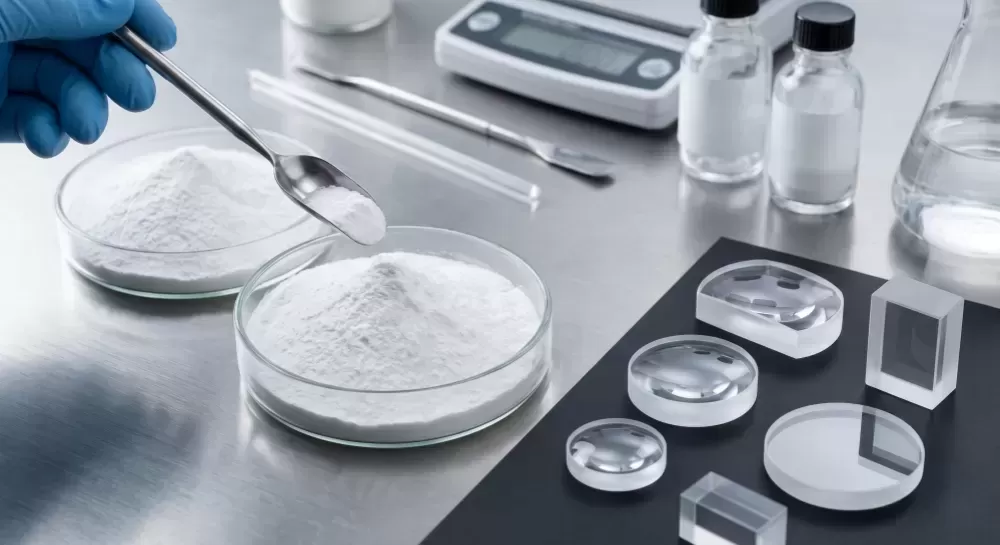
The baseline cost of any inorganic chemical compound is tethered directly to the global commodities market. Procurement teams forecasting the zinc phosphate price must monitor the two primary feedstocks required for its synthesis: high-purity zinc oxide (or zinc ingots) and phosphoric acid derived from raw phosphate rock.
Heading into 2026, the global zinc market is experiencing structural shifts. Tightening environmental regulations on mining and smelting operations, particularly across major producing regions, exert upward pressure on the cost of high-grade zinc ingots. Simultaneously, the burgeoning demand for purified phosphoric acid in the agricultural fertilizer sector and the rapidly expanding Lithium Iron Phosphate (LFP) battery market creates fierce competition for phosphorus resources. These macro-economic constraints suggest a baseline pricing floor that resists significant downward movement. Manufacturers capable of securing long-term, stable upstream supply chains are uniquely positioned to insulate their B2B clients from sudden, volatile spot-market price spikes.
Price Disparities: The Hidden Costs of Adulterated Pigments
When requesting quotations from various chemical suppliers, procurement managers frequently encounter drastic price disparities. A quote that falls significantly below the established industry average is rarely a strategic bargain; rather, it is a profound operational risk. The anti-corrosion coatings sector faces ongoing challenges with suppliers utilizing hidden dilution tactics to aggressively undercut market pricing.
To artificially depress the zinc phosphate price, unscrupulous vendors often blend the highly active compound with inert, low-cost extenders such as calcium carbonate, talc powder, or barium sulfate. Upon visual inspection, the dry white powder appears completely identical to high-grade material. However, the true chemical mechanism of a phosphate-based pigment relies on its ability to slowly release phosphate ions upon exposure to moisture, forming a dense, passivating iron phosphate film directly on the steel substrate. Inert fillers possess zero electrochemical passivating properties. Formulating an epoxy or polyurethane primer with a low-purity, diluted pigment inevitably results in catastrophic coating failures, including rapid under-film blistering and severe flash rust. The minor upfront savings achieved during raw material procurement evaporate instantly when a coating manufacturer faces massive financial liability claims for failing marine infrastructure or corroded heavy machinery.
Evaluating the true cost-effectiveness of a quotation requires looking past the invoice and verifying strict Certificates of Analysis (COA). A premium, reliable chemical manufacturer guarantees a high active zinc (Zn) and phosphorus (P) content, strict limitations on water-soluble salts, and a highly consistent particle size distribution (micron rating) to ensure flawless dispersion within the resin matrix.
Pricing Structures Based on Morphological Modifications
Not all phosphate anti-rust pigments are engineered identically. The required chemical modification dictates the manufacturing complexity and, consequently, the final market price.
Standard Orthophosphate
Standard zinc orthophosphate serves as the versatile workhorse of the industry, widely utilized in alkyd, epoxy, and phenolic resin systems. Its pricing serves as the benchmark index for the sector. It provides excellent long-term corrosion resistance for general structural steel, automotive undercarriages, and heavy equipment primers.
Modified and Micronized Formulations
To accelerate the initial passivation rate and improve compatibility with modern waterborne coatings and high-solids systems, manufacturers develop modified versions. These include zinc aluminum phosphate or organically treated variants. Furthermore, highly micronized (ultra-fine) powders are required for thin-film coil coatings or sophisticated aerospace primers to maintain a perfectly smooth surface finish. The extensive milling, classifying, and chemical treatment required to produce these advanced iterations naturally commands a premium zinc phosphate price over standard grades, justified entirely by their superior salt-spray resistance hours.
Strategic Procurement and Supply Chain Optimization
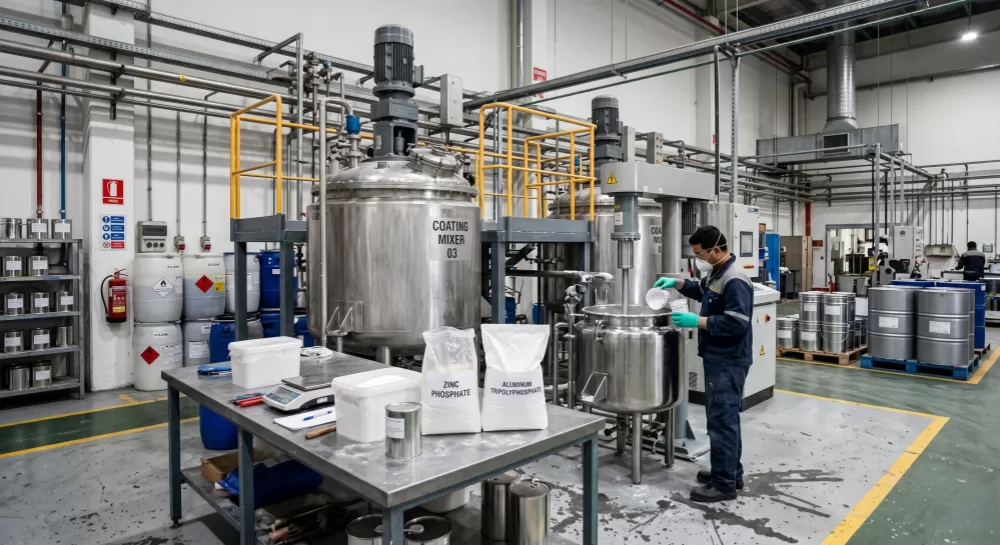
Securing advantageous pricing in 2026 requires shifting from transactional purchasing to strategic supply chain partnerships. Engaging directly with a primary chemical manufacturer rather than a trading intermediary eliminates redundant markup margins. Large-scale coating manufacturers frequently utilize annual contract pricing linked to the London Metal Exchange (LME) zinc index, providing transparency and buffering against sudden spot-market volatility. Furthermore, consolidating bulk shipments in full container loads (FCL) rather than less-than-container loads (LCL) significantly reduces the amortized freight cost per kilogram, optimizing the landed price at the factory gate.
Frequently Asked Questions
Q1: Why does the price of zinc phosphate fluctuate throughout the
year?
A1: The price is heavily dependent on the global spot prices of zinc
ingots and phosphate rock. Additionally, energy costs associated with the
high-temperature synthesis process and international freight rates cause
seasonal or geopolitical price fluctuations.
Q2: How can I detect if the pigment has been diluted with cheap
fillers?
A2: Adulterated pigments often have a higher specific gravity
(density) or contain unacceptable levels of water-soluble salts. A professional
laboratory can easily perform a titration or X-ray fluorescence (XRF) analysis
to verify the exact percentage of active Zinc and Phosphorus, exposing any
calcium or barium fillers.
Q3: Does the particle size of the powder affect the procurement cost?
A3:
Yes. Producing ultra-fine micronized powders (e.g., D50 under 5 microns)
requires extensive mechanical milling and precise air classification. This
additional energy and processing time increases the manufacturing cost, leading
to a higher premium compared to standard mesh-size powders.
Q4: Is zinc phosphate considered an environmentally safe alternative to heavy
metals?
A4: Absolutely. It is widely recognized as a non-toxic, eco-friendly
anti-corrosion pigment, making it the primary replacement for highly regulated
and toxic lead-based (red lead) and hexavalent chromium pigments in modern
industrial paint formulations.
Q5: Does ordering in bulk liquid format exist for this chemical?
A5: While
compounds like monoaluminum phosphate exist in liquid form, zinc phosphate for
anti-corrosion coatings is strictly manufactured, shipped, and utilized as a
dry, white crystalline powder to be dispersed mechanically into liquid paint
resins.
Secure Your Raw Material Supply Chain with Xinsheng
Formulating high-performance protective coatings demands absolute chemical consistency and supply chain reliability. Do not risk your brand's reputation by chasing artificially low prices built on adulterated raw materials. As a primary manufacturer dedicated to the global coatings and metallurgical industries, Xinsheng engineers high-purity, highly active anti-corrosion pigments designed to maximize your salt-spray test results. By controlling our synthesis process from raw feedstock to final micronization, we provide our B2B partners with transparent, highly competitive zinc phosphate price structures insulated from unnecessary intermediary markups. Ensure your 2026 production lines remain uninterrupted and uncompromising in quality. Contact the chemical sales division at Xinsheng today to request comprehensive Technical Data Sheets (TDS), verify our rigorous Certificate of Analysis (COA) protocols, and secure long-term wholesale pricing for your facility.