
In the formulation of advanced powder coatings, high-temperature adhesives, and unshaped refractories, the selection of an inorganic chemical binder dictates the ultimate thermal shock resistance and structural integrity of the final product. For industrial applications requiring operational stability above 1000°C, traditional organic binders incinerate, and standard silicate or aluminate cements often introduce unwanted fluxing agents that lower the overall melting point. To resolve these thermal limitations, materials engineers specify monoaluminum phosphate as the primary binding agent. Transitioning from an adhesive state at room temperature to a completely rigid ceramic matrix under high heat, this specialized phosphate ensures robust structural performance. This guide outlines the chemical mechanism, specific advantages of the solid powder formulation, and integration protocols for manufacturing facilities.
Chemical Properties and the Curing Mechanism
To optimize manufacturing formulations, engineers must understand the specific thermal transitions that monoaluminum phosphate undergoes. The chemical formula for this compound is Al(H2PO4)3. Unlike organic resins that cure through solvent evaporation or UV exposure, this inorganic binder relies on a progressive, temperature-dependent endothermic reaction.
During the initial mixing phase, the solid powder is easily dispersed in water or specific refractory aggregates. At room temperature, it provides excellent green strength—meaning the uncured mixture holds its physical shape perfectly before entering the kiln or curing oven. As the ambient temperature increases between 100°C and 150°C, the compound begins to lose its free moisture. The critical transformation occurs when temperatures reach between 350°C and 500°C. At this thermal threshold, the material undergoes dehydration and complex polymerization. It chemically transforms into stable aluminum metaphosphate complexes. This phase change establishes an unbreakable ceramic bond, granting the finished coating or refractory brick immense compressive strength and extreme resistance to mechanical abrasion.
The Strategic Advantage of Solid Powder Formulations
While monoaluminum phosphate is synthesized in both liquid and solid states, the solid powder formulation presents distinct operational and logistical advantages for specific manufacturing sectors, particularly within the advanced powder coating and dry-mix refractory industries.
Extended Shelf Life and Storage Stability
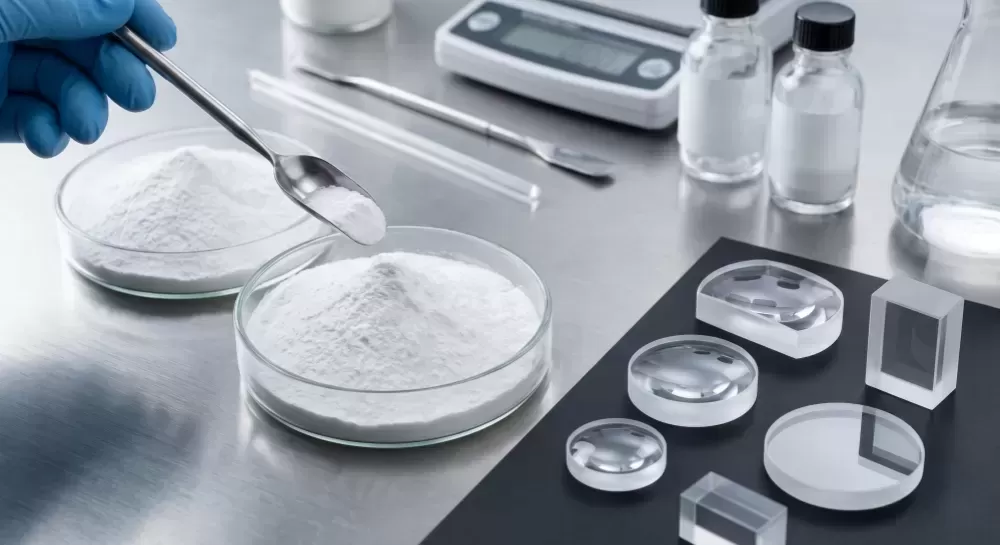
Liquid phosphate binders possess a finite shelf life and are highly susceptible to ambient temperature drops. If exposed to freezing conditions during winter transport, liquid formulations can crystallize or prematurely polymerize, ruining the entire batch. Solid monoaluminum phosphate exists as a fine, white, hygroscopic powder. When stored correctly in sealed, moisture-proof multi-wall bags, the powder remains chemically inert and highly stable for extended periods, eliminating the risk of cold-weather crystallization and drastically reducing warehouse spoilage.
Dry-Mix Compatibility and Transportation Economics
For manufacturers of unshaped refractories, castables, and high-heat powder coatings, water acts merely as an activation agent applied at the final point of use. Purchasing liquid binders means paying heavy freight costs to ship water globally. Sourcing the solid powder allows formulation engineers to blend the binder directly into their dry aggregate mixes at the factory. This creates a ready-to-use "add-water" dry mix for the end-user. This approach significantly lowers international shipping weight, improves packaging density, and simplifies the blending process on the factory floor.
Key Industrial Applications in Powder Coatings and Refractories
The unique thermal properties of this inorganic binder make it indispensable across several heavy-industry verticals.
High-Temperature Powder Coatings
Traditional organic powder coatings degrade rapidly when exposed to continuous heat exhaust, engine manifolds, or industrial furnace exteriors. Incorporating solid monoaluminum phosphate into the coating matrix creates an inorganic, heat-resistant barrier. The resulting coating withstands extreme thermal cycling without peeling, blistering, or losing adhesion to the metal substrate. Furthermore, its chemical inertness provides exceptional anti-corrosion properties in highly acidic or alkaline industrial environments.
High-Alumina and Corundum Refractories
In the metallurgical and cement industries, furnace linings endure extreme mechanical wear and chemical slag erosion. When used as the primary binder in high-alumina bricks or corundum castables, the phosphate reacts with the alumina content at high temperatures to form a dense, impenetrable crystalline network. This prevents volumetric swelling, significantly increases the load-softening temperature of the brick, and extends the overall service life of the blast furnace.
Quality Metrics for Sourcing a Chemical Manufacturer
Sourcing an industrial-grade phosphate binder requires strict verification of the supplier's chemical synthesis capabilities. Contaminated or poorly synthesized binders will cause catastrophic failure in high-heat applications.
The most critical specification is the molar ratio between aluminum oxide (Al2O3) and phosphorus pentoxide (P2O5). This specific ratio dictates the curing speed and the final bond strength of the material. A professional chemical manufacturer implements rigorous laboratory testing to ensure that this ratio remains absolutely consistent across every single production batch. Inconsistent molar ratios force engineers to constantly adjust their water addition and curing times, destroying production efficiency.
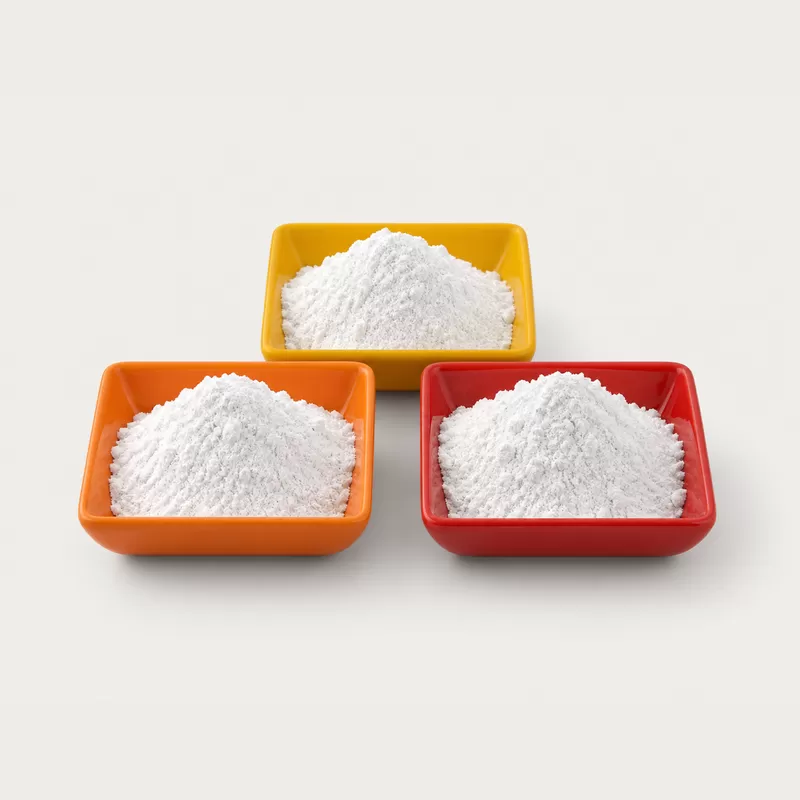
Additionally, procurement teams must verify the purity levels. Low-grade phosphates often contain heavy metal impurities or unreacted acids. These impurities act as fluxes, which artificially lower the melting point of the final refractory product. A premium solid monoaluminum phosphate powder dissolves clearly and completely without leaving insoluble grit or residue.
Frequently Asked Questions (FAQ)
Q1: Does solid monoaluminum phosphate require specialized
storage?
A1: Because the powder is highly
hygroscopic (it readily absorbs moisture from the air), it must be stored in a
dry, ventilated warehouse. Pallets should remain wrapped in stretch film, and
individual bags must remain perfectly sealed until the moment of integration
into the mixer to prevent premature clumping.
Q2: At what temperature does the binder achieve its maximum
structural strength?
A2: While initial drying and
hardening occur at lower temperatures, the complex polymerization required to
form a true ceramic bond occurs between 350°C and 500°C. For maximum
high-temperature resistance, the final product must undergo a controlled firing
schedule up to these temperatures.
Q3: Can the powder formulation be converted back into a liquid if
needed?
A3: Yes. The solid powder is highly soluble
in water. Formulators can dissolve the powder into deionized water to create a
custom-concentration liquid binder on-site, offering extreme flexibility for
specific dipping or wet-spray coating applications.
Q4: Why is this binder preferred over sodium silicate (water glass)
in extreme heat?
A4: Sodium silicate introduces
sodium ions into the refractory matrix. At high temperatures, sodium acts as a
strong flux, significantly lowering the refractoriness (melting point) of the
material. Monoaluminum phosphate introduces no such alkali impurities, allowing
the refractory to withstand significantly higher operational temperatures.
Q5: Is monoaluminum phosphate compatible with all types of refractory
aggregates?
A5: It is highly compatible with
neutral and acidic aggregates, such as alumina, corundum, and silica. However,
it reacts very rapidly (often violently) with strongly alkaline materials like
magnesia or quicklime, leading to flash-setting before the material can be
properly molded or applied.
Request Technical Data and Wholesale Specifications
The structural integrity and thermal endurance of your advanced coatings and refractory products rely directly on the chemical purity of your inorganic binders. Xinsheng specializes in the synthesis and industrial-scale production of high-performance phosphates tailored for the powder coating and refractory sectors. Our solid monoaluminum phosphate is engineered to provide precise molar ratios, extended shelf stability, and exceptional ceramic bonding strength. We supply comprehensive Technical Data Sheets (TDS), Material Safety Data Sheets (MSDS), and strict batch-consistency reports to integrate seamlessly into your quality control protocols. Contact the chemical engineering sales team at Xinsheng today to request a testing sample and discuss wholesale bulk procurement logistics.