
High-temperature industrial processing demands chemical binders capable of maintaining mechanical integrity under extreme thermal strain, corrosive atmospheres, and mechanical abrasion. Among inorganic phosphate systems, monoadduct and polymerizing aluminum phosphates stand out as superior binding agents. Precise synthesis and chemical control of the aluminum dihydrogen phosphate formula determine the structural cohesion, heat resistance, and setting kinetics of high-performance refractory materials, specialty ceramic formulations, and protective surface coatings.
Chemical specifiers, refractory engineers, and industrial procurement leaders must look beyond basic molecular representations to understand how stoichiometric variances, hydration states, and heat-induced condensation reactions dictate real-world performance. As a global manufacturer, Xinsheng synthesizes specialized monoaluminum phosphate compounds engineered to meet precise thermal and structural benchmarks required by modern metallurgical, glassmaking, and chemical processing facilities.
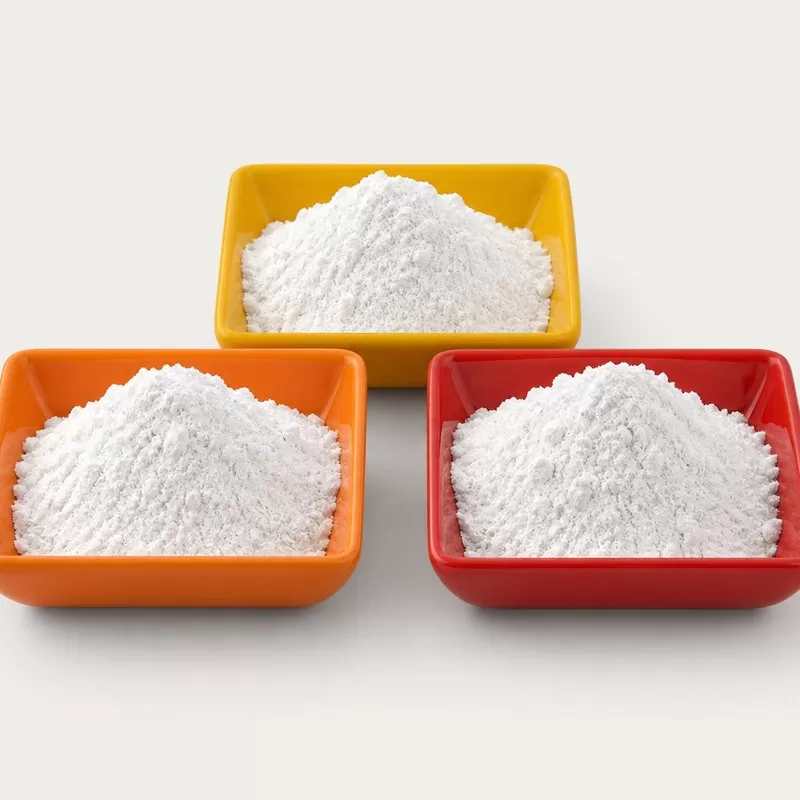
Molecular Architecture of the Aluminum Dihydrogen Phosphate Formula
The standard molecular representation of monoaluminum phosphate is expressed as Al(H2PO4)3, possessing a formula weight of approximately 317.94 g/mol. This primary stoichiometric ratio consists of one trivalent aluminum cation (Al3+) coordinated with three dihydrogen phosphate mono-anions (H2PO4-). The structural arrangement relies on hydrogen bonding networks established by hydroxyl groups, balanced by electrostatic interactions between the central metallic atom and oxygenated phosphate groups.
Synthesis typically proceeds via the controlled exothermic reaction of high-purity aluminum hydroxide [Al(OH)3] with concentrated phosphoric acid [H3PO4] under governed thermal conditions:
Al(OH)3 + 3 H3PO4 → Al(H2PO4)3 + 3 H2O
In aqueous environments, the aluminum dihydrogen phosphate formula yields a acidic liquid containing various ionic species. The true behavior of the system depends heavily on the molar ratio of phosphorus to aluminum (P/Al ratio). While the theoretical stoichiometric ratio sits at 3.0, industrial formulations deliberately adjust this proportion between 2.8 and 3.2 to tailor acidity, density, setting rates, and shelf-life stability.
Sub-stoichiometric ratios (P/Al < 3.0): Increase free aluminum content, accelerating cold-setting reactions when mixed with basic oxides like magnesium oxide (MgO) or zinc oxide (ZnO), but slightly lowering high-temperature viscosity.
Stoichiometric ratios (P/Al = 3.0): Provide optimal balance between cross-linking density, water solubility, and high-temperature polyphosphate conversion.
Super-stoichiometric ratios (P/Al > 3.0): Contain excess orthophosphoric acid, lowering freezing points and enhancing low-temperature workability, though requiring higher curing temperatures to drive off residual moisture.
Thermal Phase Transformations and Polymerization Dynamics
The core advantage of utilizing the aluminum dihydrogen phosphate formula lies in its progressive condensation behavior when exposed to heat. Unlike hydraulic binders such as calcium aluminate cements, which dehydrate and lose mechanical strength between 400°C and 900°C, aluminum phosphate binders undergo a series of polymerization reactions that continuously reinforce the matrix.
Thermal condensation follows distinct temperature-dependent stages:
1. Dehydration Stage (100°C to 250°C)
Free water evaporates first, followed by the loss of constitutional water from the dihydrogen phosphate ions. The monomeric Al(H2PO4)3 molecule releases water vapor to form acidic aluminum hydrogen pyrophosphate species:
2 Al(H2PO4)3 → Al2(H2P2O7)3 + 3 H2O
2. Intermediate Condensation (250°C to 500°C)
As heating continues, further loss of chemically bound hydroxyl groups occurs, driving the transformation from linear pyrophosphates into cyclic aluminum metaphosphates [Al(PO3)3]. This stage generates a rigid, three-dimensional polymeric backbone that binds refractory aggregates through direct oxygen-phosphate linkages.
3. High-Temperature Vitrification and Phase Stability (500°C to 1500°C+)
Above 800°C, aluminum metaphosphate reacts with surrounding alumina (Al2O3) present in the refractory aggregate matrix, converting into highly stable aluminum orthophosphate (AlPO4). AlPO4 exhibits structural polymorphism analogous to silica (SiO2), transitioning through quartz-like, cristobalite-like, and tridymite-like crystal lattices at elevated temperatures. This phase match results in a low thermal expansion mismatch and exceptionally high thermal shock resistance.
Physical States: Liquid vs. Powdered Formulations
Industrial applications require distinct physical formats depending on mixing logistics, shelf storage constraints, and moisture sensitivities of surrounding raw materials. Synthesizing the aluminum dihydrogen phosphate formula yields two primary physical forms, each possessing distinct operational characteristics.
Liquid Aluminum Dihydrogen Phosphate
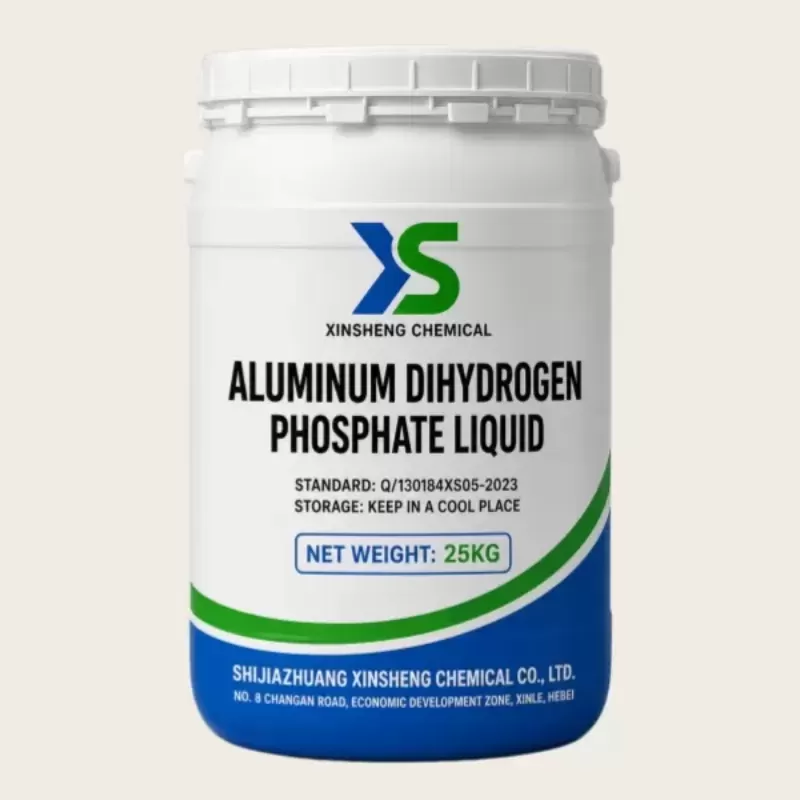
Liquid variants are clear to slightly viscous aqueous solutions featuring solid concentrations typically ranging from 50% to 55% by weight. Liquid systems offer rapid dispersion when blended into moist aggregate batches, ensuring homogenous binder distribution without dust generation.
Specific Gravity: 1.45 to 1.60 g/cm3 at 20°C
pH Range: 1.0 to 2.0
Advantages: Instantaneous dissolution, zero dust exposure, lower processing cost at the point of mixing.
Limitations: Higher shipping weight due to water content; vulnerability to crystallization below 0°C.
Powdered Aluminum Dihydrogen Phosphate
Powdered products are manufactured by vacuum drying and atomizing liquid solutions under precise thermal controls to yield a solid, amorphous or partially crystalline powder. Solidified forms instantly rehydrate upon contact with water, making them suitable for dry-mix pre-formulated mortars, castables, and dry rammed mixes.
P2O5 Content: Typically 60% to 65% by weight
Al2O3 Content: 18% to 22% by weight
Advantages: Extended shelf life, reduced transport costs per unit of active solid, ideal for dry-bagged industrial products.
Limitations: Requires adequate shear mixing to ensure full dissolution during batch prep.
Industrial Applications Across Refractory and Surface Engineering
The versatility of the aluminum dihydrogen phosphate formula makes it a foundational component across several heavy industrial sectors. The chemical binder mechanism operates effectively across diverse substrates, providing chemical bonding rather than simple mechanical adhesion.
High-Temperature Refractory Castables and Plastics
In high-alumina and corundum-based refractory castables, aluminum dihydrogen phosphate acts as the primary bonding matrix. It exhibits strong compatibility with aggregates such as bauxite, calcined alumina, tabular alumina, and fused silica. Unlike calcium aluminate cements, phosphate-bonded castables resist slag penetration, molten metal corrosion, and alkali attack in steelmaking ladles, tundishes, reheating furnaces, and cement kiln burning zones.
Refractory Mortars and Patching Compounds
When formulated into refractory jointing mortars, liquid or rehydrated powdered aluminum phosphate ensures high green strength at room temperature and maintains structural tenacity through the critical intermediate temperature zone (500°C–1000°C). This prevents joint slippage and structural loosening in industrial furnace linings.
Specialty Anti-Corrosion and Intumescent Coatings
Incorporating aluminum dihydrogen phosphate into functional surface coatings yields fire-retardant and anti-corrosive properties on metallic and ceramic surfaces. Under intense heat, the phosphate backbone undergoes endothermic dehydration, absorbing energy and swelling to form an insulating carbonaceous or inorganic char. Furthermore, the acidic phosphate reacts with steel substrates to form a passive, micro-crystalline iron phosphate layer that halts atmospheric corrosion.
Electrical Insulation Matrices and Mica Plate Bonding
Due to its low dielectric constant, high thermal conductivity, and zero carbon-tracking potential, aluminum dihydrogen phosphate serves as a structural binder in high-voltage, high-temperature electrical insulation panels, mica sheets, and resistance wire coatings. The material retains structural integrity without degassing or conducting electricity at operating temperatures exceeding 600°C.
Comparative Performance Metrics
Understanding where phosphate binders outperform traditional mineral binders aids in proper material selection for severe operating environments.
| Property Parameter | Aluminum Dihydrogen Phosphate | Calcium Aluminate Cement | Sodium Silicate (Water Glass) |
|---|---|---|---|
| Maximum Service Temp (°C) | 1500 – 1800 | 1300 – 1500 | 1000 – 1100 |
| Intermediate Temp Strength Retention | High (Polymerization bonding) | Moderate-Low (Dehydration drop) | Low (Fluxing phase formation) |
| Slag & Acid Corrosion Resistance | Exceptional | Moderate | Poor against hydrofluoric/alkalis |
| Thermal Shock Resistance | Superior (AlPO4 crystal match) | Moderate | Low (Brittle glassy phases) |
| Alkali Content (Na2O / K2O) | Ultra-Low (< 0.1%) | Low-Moderate | High (> 15%) |
Resolving Practical Manufacturing and Application Challenges
Deploying the aluminum dihydrogen phosphate formula in industrial formulations presents specific chemical behaviors that require careful control.
Managing Premature Setting (Pot Life Control)
Because aluminum phosphate is inherently acidic, contact with reactive basic aggregates or metallic iron contaminants can trigger uncontrolled neutralization, leading to rapid setting (flash set) and loss of workability. To mitigate this issue:
Incorporate organic retarders such as citric acid, tartaric acid, or polymeric chelating agents to temporarily mask reactive cations.
Utilize passivated aggregates with controlled reactivity profiles.
Add minor quantities of solid retarders like complex polyphosphates to extend pot life in warm mixing environments.
Preventing Hydration Reversion in Stored Castables
Dried or partially cured phosphate-bonded castables exposed to humid air during shutdown periods can absorb atmospheric moisture, resulting in surface softening or strength loss prior to full thermal firing. Achieving a temperature of at least 350°C during the initial burnout schedule converts remaining orthophosphates into water-insoluble metaphosphate polymers, permanently sealing the matrix against rehydration.
Controlling Iron Contamination and Gas Generation
Traces of metallic iron (from grinding equipment or raw aggregates) react with the acidic phosphate binder to generate hydrogen gas (H2), causing bubbles, voids, and structural bloating in dense castables or coatings. Raw material selection must enforce strict magnetic separation steps. Additionally, incorporating specialized inhibitors suppresses gas evolution without altering the curing profile.
Quality Control and Synthesis Standards at Xinsheng
Maintaining long-term performance in high-stress refractory and coating installations requires high purity in raw chemical feedstocks. Xinsheng manufactures high-grade liquid and powdered aluminum dihydrogen phosphate compounds using strict chemical process controls.
Key parameters governed during production include:
Purity of Alumina Feedstock: Utilizing pure aluminum hydroxide prevents heavy metal contamination (such as Fe, Pb, and As), protecting worker health and preventing low-melting phase formation in refractories.
Precision P/Al Stoichiometric Balancing: Automated titrametric analysis maintains the ratio of phosphoric acid to aluminum within +/- 0.02 units of targeted specifications, guaranteeing uniform setting rates and viscosity across production batches.
Trace Alkali Limits: Sodium and potassium levels are kept below 0.05% to avoid fluxing phenomena that degrade high-temperature creep resistance.
Particle Size Distribution (Powdered Grades): Advanced spray-drying technology produces spherical, free-flowing powders with controlled grain morphology, ensuring rapid re-dissolution during dry-mix water additions.
Frequently Asked Questions
Q1: What is the exact chemical formula of aluminum dihydrogen
phosphate?
A1: The stoichiometric chemical formula of monoaluminum
phosphate is Al(H2PO4)3. It consists of one aluminum ion bound to three
dihydrogen phosphate ions, yielding a formula weight of 317.94 g/mol.
Q2: How does the aluminum dihydrogen phosphate formula behave under
heat?
A2: Upon heating, the compound undergoes progressive
dehydration and polymerization. Between 100°C and 250°C, it loses free and bound
water to form pyrophosphates. Between 300°C and 500°C, it transitions into
cyclic metaphosphates [Al(PO3)3]. Above 800°C, it reacts with alumina aggregates
to form highly stable aluminum orthophosphate (AlPO4).
Q3: Why is aluminum dihydrogen phosphate preferred over sodium
silicate in refractory binders?
A3: Sodium silicate introduces high
concentrations of sodium (Na2O), which acts as a strong fluxing agent,
drastically lowering the melting point and hot strength of refractories above
1000°C. Aluminum dihydrogen phosphate contains virtually no alkali metals,
enabling refractory matrices to withstand temperatures up to 1800°C while
maintaining high thermal shock resistance.
Q4: Can liquid aluminum dihydrogen phosphate freeze during cold
weather transport?
A4: Concentrated aqueous liquid solutions (50-55%
concentration) have a freezing point range between -10°C and -15°C due to
dissolved ion depression. However, prolonged exposure to sub-zero temperatures
can cause reversible crystallization. Heating the solution gently to 30°C with
mild agitation fully redissolves the crystals without altering chemical
efficacy.
Q5: What is the typical shelf life of powdered versus liquid
formulations?
A5: Powdered variants, when stored in unopened,
moisture-proof sealed packaging under cool and dry warehouse conditions, offer a
shelf life exceeding 24 months. Liquid formulations maintain optimal stability
for 12 months, provided they are kept in sealed polyethylene or rubber-lined
containers to prevent water evaporation and air contamination.
Initiate Your Technical Procurement Order
Selecting the correct binder chemistry directly influences furnace uptime, thermal efficiency, and product lifespan. Xinsheng provides custom-synthesized liquid and powdered monoaluminum phosphate formulations engineered to meet precise technical parameters for high-temperature refractory mixes, functional coatings, and ceramic applications.
To request technical data sheets, certificate of analysis documentation, sample batches, or commercial pricing structures tailored to your manufacturing requirements, submit your inquiry directly to our engineering sales team today.