
The standard aluminum dihydrogen phosphate formula is Al(H2PO4)3. Also known throughout the chemical sector as monoaluminum phosphate, this compound carries the CAS registry number 13530-50-2 and has a molecular weight of 317.94 g/mol. It represents one of the most effective chemical binding agents available for extreme-temperature industrial applications.
Industrial operations depend on this inorganic salt for manufacturing refractory mortars, electrical ceramics, and specialized metallurgical adhesives. Chemical suppliers such as Xinsheng provide both high-purity liquid concentrates and solid powdered formulations tailored to stringent engineering specifications.
Are you formulating high-temperature refractories, monolithic castables, or anti-corrosive coatings? Contact technical specialists at Xinsheng today to request product samples, comprehensive Safety Data Sheets (SDS), and custom industrial pricing.
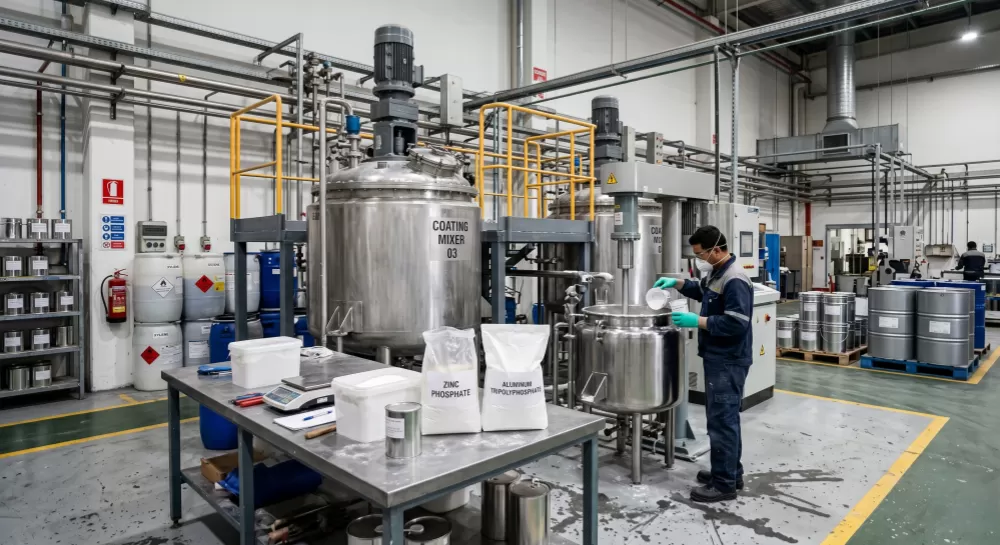
1. Deep Dive: Chemical Formula and Structural Characteristics
1.1 Molecular Formula and Stoichiometric Composition
The aluminum dihydrogen phosphate formula reflects a 1:3 stoichiometric combination between a central trivalent aluminum cation and three monovalent dihydrogen phosphate anions:
Al3+ + 3 [H2PO4]- → Al(H2PO4)3
From an elemental standpoint, the molecule contains:
- Aluminum (Al): ~8.49%
- Hydrogen (H): ~1.90%
- Phosphorus (P): ~29.23%
- Oxygen (O): ~60.38%
This balance creates an acidic chemical environment. The two reactive hydroxyl (-OH) groups attached to each phosphorus atom provide sites for condensation polymerizations during thermal curing.
1.2 Chemical Bonding and Coordination Network
In crystalline and aqueous states, monoaluminum phosphate does not exist as isolated molecules. Instead, the aluminum ion exhibits an octahedral coordination geometry, surrounded by six oxygen atoms belonging to neighboring phosphate groups.
Detailed crystallography archived on PubChem's compound entry for Aluminum Dihydrogen Phosphate shows an extensive three-dimensional network. Intermolecular hydrogen bonds lock the dihydrogen phosphate ions into place, giving the concentrated aqueous solution its distinctive viscosity and film-forming characteristics.
When dissolved in water, the salt dissociates partially into complex acidic ionic species. This controlled hydrolysis allows the liquid binder to wet ceramic aggregates quickly, promoting tight mechanical interlocking before curing begins.
2. Key Physical and Chemical Properties
2.1 Physical Properties Quick Reference Table
Commercial grades differ based on state, water content, and intended industrial application. The table below presents the physical baseline for liquid and powder formats:
| Property | Liquid Formulation (Typical 50% Soln) | Powder Formulation (Anhydrous/Solid) |
|---|---|---|
| Chemical Formula | Al(H2PO4)3 (aq) | Al(H2PO4)3 |
| Physical Appearance | Clear, colorless, viscous liquid | Fine white crystalline powder |
| CAS Number | 13530-50-2 | 13530-50-2 |
| Molecular Weight | 317.94 g/mol (solute basis) | 317.94 g/mol |
| Specific Gravity / Density | 1.45 – 1.55 g/cm³ at 20°C | 2.20 – 2.40 g/cm³ |
| pH Value | 1.5 – 2.5 | 2.0 – 3.0 (in 10% aqueous slurry) |
| Water Solubility | Miscible in all proportions | Highly soluble, rapid dissolution |
| Viscosity (25°C) | 100 – 350 mPa·s | Not Applicable |
2.2 Thermal Transformation and Polymerization Behavior
The performance of the aluminum dihydrogen phosphate formula under high temperatures explains its wide use as a binder. Heating causes sequential dehydration, crosslinking, and phase changes:
1. Low-Temperature Moisture Loss (100°C – 200°C): Free surface water evaporates. The solution thickens into a dense, amorphous gel layer across mineral substrates.
2. Condensation and Crosslinking (250°C – 400°C): Reactive P-OH hydroxyl groups dehydrate. Pyrophosphate and polyphosphate chains form:
2 Al(H2PO4)3 → Al2(H2P2O7)3 + 3 H2O ↑
3. Metaphosphate Crystallization (500°C – 800°C): Continued heating converts the polymer network into insoluble crystalline aluminum metaphosphate, Al(PO3)3:
Al2(H2P2O7)3 → 2 Al(PO3)3 + 3 H2O ↑
4. High-Temperature Refractory Stability (>1000°C): At refractory operating ranges, aluminum metaphosphate reacts with surrounding alumina (Al2O3) aggregates to yield highly stable, neutral aluminum orthophosphate (AlPO4), stable up to 1500°C–1800°C.
Testing protocols established under ASTM International standards confirm that these polyphosphate ceramic bonds provide exceptional shear strength, thermal shock resistance, and slag erosion resistance.
3. Synthesis and Industrial Manufacturing Processes
3.1 Industrial Synthesis Reactions
Industrial chemical plants synthesize monoaluminum phosphate via the direct stoichiometric reaction between high-purity aluminum hydroxide and concentrated thermal phosphoric acid:
Al(OH)3 + 3 H3PO4 → Al(H2PO4)3 + 3 H2O
Alternative synthesis routes can use aluminum oxide (alumina):
Al2O3 + 6 H3PO4 → 2 Al(H2PO4)3 + 3 H2O
The aluminum hydroxide method remains preferred because it proceeds smoothly under milder temperatures without leaving unreacted insoluble mineral residues.
3.2 Plant-Scale Manufacturing Steps
To produce consistent product matching the stoichiometric aluminum dihydrogen phosphate formula, production facilities follow controlled processing sequences:
- Acid Dosing: Industrial reactors receive 85% technical-grade phosphoric acid (H3PO4), pre-heated between 70°C and 90°C.
- Hydroxide Addition: Pure aluminum hydroxide (Al(OH)3) powder feeds into the reactor under rapid mechanical agitation. The reaction is exothermic, requiring controlled cooling to stay below 110°C.
- Digestion: The mixture digests for 2 to 4 hours until all raw aluminum dissolves completely into a clear liquor.
- Filtration: Trace insolubles, heavy metals, and particulate impurities pass through pressure plate filters to yield pure, transparent liquid.
- Stabilization: Manufacturers like Xinsheng adjust specific gravity and pH during this step, ensuring stability during long-term storage and ocean freight.
3.3 Liquid vs. Powder Processing Routes
For liquid monoaluminum phosphate, technicians dilute or concentrate the batch to 50%–60% solids before drumming. Liquid formats disperse rapidly in water-based refractory slurry systems.
Producing the powder form requires spray drying or vacuum crystallization. Moisture must be removed under vacuum at low temperatures to prevent premature condensation into metaphosphates. The final white crystals are vacuum-sealed with desiccant protection to prevent caking.
4. Industrial Applications Driven by Chemical Properties
4.1 Refractories and High-Temperature Binders
Refractory manufacturers rely on monoaluminum phosphate as their primary binder for monolithic castables, ramming mixes, gunning compositions, and mortars.
Unlike standard Portland or calcium aluminate cements that lose structural strength when dehydrated around 400°C–800°C, the aluminum dihydrogen phosphate formula increases mechanical strength as curing temperature rises. It resists chemical attack from molten iron, aluminum alloys, and acidic furnace slag, making it an ideal choice for blast furnaces, ladles, and petrochemical cracking kilns.
4.2 High-Performance Electrical Insulation and Ceramics
Phosphate ceramics provide strong dielectric properties across elevated temperatures. Monoaluminum phosphate solutions treat grain-oriented electrical silicon steel sheets, such as those cataloged under NIST Materials Measurement Laboratory technical databases.
Coating electrical steel with this phosphate binder generates high electrical insulation resistance, reduces eddy current losses, and imparts tension that improves the magnetic performance of transformer cores.
4.3 Specialty Anti-Corrosion and Fire-Retardant Coatings
Industrial coatings incorporate the compound into intumescent fireproofing paints and anti-corrosive primers. When combined with metallic zinc dust, it acts as a passivating barrier over structural carbon steel. Exposure to flame causes the phosphate structure to foam and expand, producing a glass-like thermal barrier that blocks oxygen and slows heat transfer.
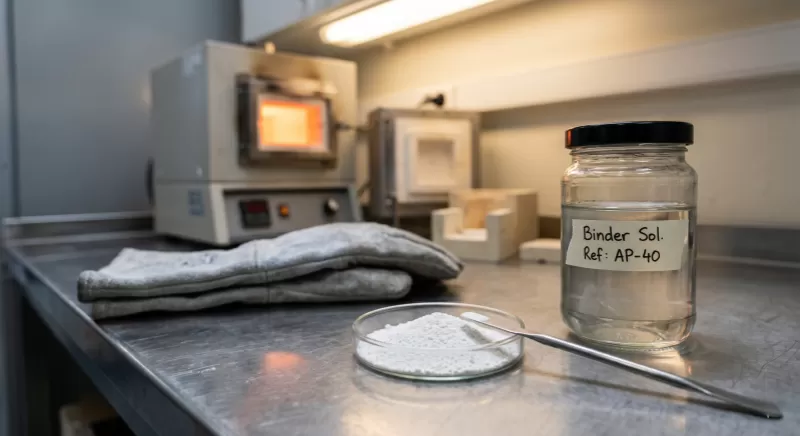
5. Safe Handling, Storage, and Regulatory Compliance
Monoaluminum phosphate solutions carry a low pH (1.5–2.5), classifying them as mild inorganic acids. Industrial personnel should follow standard chemical safety controls:
- Personal Protective Equipment (PPE): Wear chemical-resistant nitrile or neoprene gloves, safety goggles with side shields, and protective chemical aprons during handling.
- Storage Vessel Compatibility: Store the liquid in polyethylene, polypropylene, FRP, or rubber-lined steel tanks. Avoid raw carbon steel, galvanized metals, and aluminum containers, which react with acidic solutions to generate hydrogen gas.
- Temperature Controls: Store between 5°C and 35°C. Keep powdered varieties tightly sealed against atmospheric moisture to avoid agglomeration.
6. Frequently Asked Questions (FAQs)
Q1: What is the primary difference between the aluminum dihydrogen phosphate formula and aluminum phosphate?
A1: The aluminum dihydrogen phosphate formula is Al(H2PO4)3, an acidic salt containing two hydrogen atoms per phosphate group that makes it water-soluble. Aluminum phosphate (AlPO4) is a neutral, water-insoluble compound with a 1:1 molar ratio of aluminum to phosphate, often found naturally as the mineral berlinite.
Q2: At what temperature does liquid monoaluminum phosphate cure completely?
A2: Initial setting and water evaporation take place at 120°C to 150°C. Full chemical curing and insoluble ceramic bonding require temperatures between 350°C and 500°C, where dihydrogen phosphate converts into an aluminum metaphosphate network.
Q3: Can aluminum dihydrogen phosphate powder be redissolved easily in water?
A3: Yes. Genuine solid monoaluminum phosphate dissolves rapidly in ambient-temperature water to yield a clear, acidic solution equivalent in binding capability to standard factory-produced liquid grades.
Q4: Why does aluminum dihydrogen phosphate improve slag resistance in refractories?
A4: When exposed to kiln temperatures, the binder crystallizes into AlPO4 and mullite-compatible ceramic bridges. These compounds resist acidic chemical penetration and prevent molten metal infiltration into the brick or monolithic lining.
Q5: What setting agents are compatible with monoaluminum phosphate for cold-setting formulations?
A5: Because pure formulations require thermal input to crosslink, formulators add basic or amphoteric hardeners such as magnesium oxide (MgO), calcium aluminate cement, or aluminum trihydrate to achieve room-temperature curing.
Conclusion & Request for Quotation
Mastery over the aluminum dihydrogen phosphate formula and its condensation chemistry enables manufacturers to design advanced refractory castables, high-temperature mortars, and durable electrical steels. Selecting pure raw materials with precise molar balances ensures predictable curing behavior and long-lasting mechanical strength.
Xinsheng supplies industrial-grade monoaluminum phosphate in both stabilized liquid solutions and high-purity dry powders for global clients. Contact our technical sales division today to review technical data sheets, request evaluation samples, or arrange containerized shipments tailored to your operational schedule.