
Corrosion protection is a non-negotiable requirement in modern industrial coatings. Whether you formulate protective primers for automotive chassis, marine structures, or architectural steel, choosing the right anti-corrosive pigment dictates the longevity of your product. For procurement directors and formulation chemists, securing a reliable, cost-effective supply of zinc phosphate remains a constant priority.
When procurement teams evaluate their sourcing options, the immediate question arises: where can i buy zinc phosphate in bulk without sacrificing product purity or overextending the operational budget? Buyers generally choose between two primary channels: purchasing straight from the chemical synthesis plant or relying on regional chemical distributors.
Both pathways serve distinct logistical and financial purposes. Manufacturers like Xinsheng provide heavy-volume pricing and raw batch consistency, while local stockists provide localized flexibility. If you are preparing for an upcoming production cycle and need clear pricing metrics or pilot testing material, contact our technical sales department to receive an immediate factory quotation and material data portfolio.
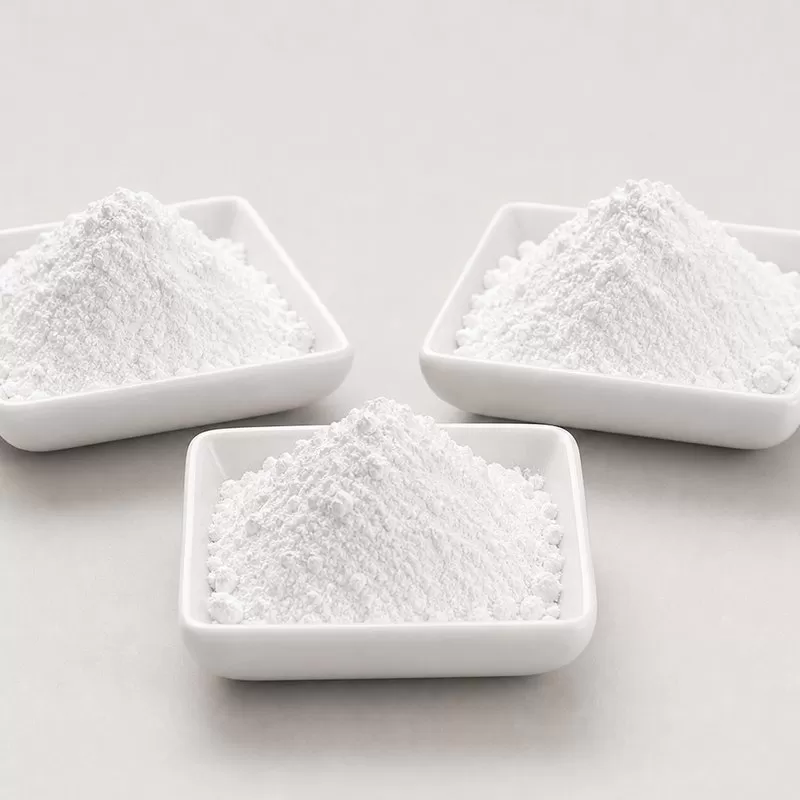
Where to Buy Zinc Phosphate: The 3 Main Sourcing Channels
Sourcing industrial raw materials requires balancing transit times, warehouse capacity, and working capital. In the chemical sector, three primary avenues exist for acquiring bulk quantities of zinc phosphate.
1. Direct Chemical Manufacturers
Primary producers synthesize zinc phosphate directly through acid-base neutralization, typically reacting high-purity zinc oxide with phosphoric acid. These facilities run continuous or large-batch production lines and cater predominantly to mid-to-large-scale coating operations, toll manufacturers, and multinational chemical compounders. Sourcing from this level provides direct access to the actual production source, avoiding intermediate trading markups.
2. Authorized Regional Distributors
Distributors buy truckloads or full sea containers from primary chemical synthesis plants, bring the inventory into regional hubs, and resell it to local plants. They handle customs clearances, carry localized safety stocks, and break down bulk shipments into smaller units. For businesses requiring rapid, multi-product fulfillment, distributors provide a convenient buffer between offshore factories and the plant floor.
3. B2B Chemical Marketplaces and Trading Portals
Online directory platforms such as ThomasNet, ChemExper, and Alibaba aggregate hundreds of chemical suppliers. These directories can help buyers discover suppliers, but they also introduce trading intermediaries who do not maintain their own warehousing or lab testing facilities. Verifying the legitimacy of companies on these portals requires careful technical auditing and independent batch testing.
Buying Direct from the Manufacturer: Pros & Cons
Working directly with the factory that synthesizes the material offers substantial commercial and technical advantages, but it demands higher logistical coordination.
The Advantages of Buying Factory-Direct
- Optimized Unit Pricing: Direct purchasing eliminates distributor markups, which usually range from 15% to 40%. For facilities consuming several container loads each year, these savings directly improve operating margins.
- Tailored Physical Specifications: Primary producers can adjust production parameters. If your formulation requires a micronized grade with a precise D50 or D90 particle size distribution to improve dispersibility, manufacturers can tailor milling operations to meet your exact spec sheet.
- Direct Technical and Regulatory Access: When your QA lab needs comprehensive Technical Data Sheets (TDS), Safety Data Sheets (SDS), or Certificate of Analysis (COA) documentation, you interact directly with the chemical engineers who produced the material.
- Lot-to-Lot Consistency: Sourcing from a single production facility limits variation between shipments, ensuring stable oil absorption rates, consistent dry-hiding power, and predictable anti-settling behavior in your mixing tanks.
The Challenges of Buying Factory-Direct
- Strict Minimum Order Quantities (MOQ): Chemical plants set order thresholds to maintain continuous production. Typical factory MOQs start at one full 20-foot container load (FCL), roughly 18 to 20 metric tons.
- Extended Lead Times: Sourcing directly from an overseas manufacturer means planning for maritime freight, port handling, and domestic customs clearance. Lead times often span from 4 to 8 weeks depending on the shipping route.
- Supply Chain Administration: The buyer must coordinate customs filings, import duties, inland trucking, and international payment mechanics such as Letters of Credit (LC) or wire transfers.
Buying from Chemical Distributors: Pros & Cons
Regional distributors act as local fulfillment partners. For many mid-sized paint shops and specialty formulators, the distributor model offers clear convenience.
The Advantages of Buying from Distributors
- Flexible Order Sizes: Distributors readily fulfill Less-than-Truckload (LTL) orders. If your plant only needs two or three 25kg bags or a single pallet for a small run, a distributor can fill the order immediately.
- Fast Dispatch Times: Because the material is already stored in a local or regional warehouse, standard delivery times typically range between 2 and 5 business days, reducing the risk of factory shutdowns.
- Consolidated Invoicing: Industrial paint formulators use dozens of raw ingredients, including binders, coalescing agents, defoamers, and curing agents. Distributors allow you to source these materials together on a single purchase order.
- Favorable Local Credit Terms: Domestic distributors frequently offer flexible net-30 or net-60 day payment terms once a credit history is established, easing pressure on working capital.
The Challenges of Buying from Distributors
- Substantial Price Premiums: Warehousing expenses, local freight handling, and operating margins all get added to the material cost, making distributors expensive for high-volume manufacturing.
- Limited Formulation Adaptability: Distributors sell standard stock inventory. They cannot adjust particle distributions, provide custom chemical surface treatments, or alter core packaging to match your manufacturing setup.
- Multi-Source Blending Risks: To keep their warehouses stocked, distributors may purchase from several different synthesis plants throughout the year. As a result, product characteristics like oil absorption and tint strength may vary slightly between deliveries.
Direct Comparison: Manufacturer vs. Distributor
To help you decide where to allocate your purchasing budget, the table below highlights the trade-offs between chemical manufacturers and regional distribution intermediaries.
| Evaluation Metric | Primary Chemical Manufacturer | Authorized Chemical Distributor |
|---|---|---|
| Price per Metric Ton | Lowest base cost; wholesale factory-direct pricing with volume breaks. | Higher unit cost; includes 15% to 40% margin and local storage markups. |
| Minimum Order Quantity | High (Typically 1 to 5 metric tons; often full container loads). | Low (Single 25kg bags, individual drums, or mixed partial pallets). |
| Delivery Lead Times | Moderate to Long (2 to 8 weeks, influenced by maritime logistics). | Short (2 to 5 business days via regional dry-van ground freight). |
| Batch Customization | Extensive (Custom micronization, surface modification, private packaging). | None (Limited to standard catalog specifications and standard pack types). |
| Quality Assurance & Data | Direct access to synthesized batch retainers, lab chemists, and raw audit files. | Secondary documentation relay; queries must travel back up the supply chain. |
| Logistics Overhead | Buyer manages or assists with shipping, import clearance, and port fees. | Distributor handles all freight clearance and drops off at the loading dock. |
Which Option Is Right for Your Business?
Choosing the best supplier depends on your operation's consumption volume, factory space, and capital structure. Use this decision matrix to evaluate your facility:
Choose a Direct Manufacturer when:
- Your production line consumes more than 10 to 20 metric tons of anti-corrosion pigments annually.
- Cost-per-liter optimizations on high-volume product lines significantly impact your competitive bidding.
- Your coatings require specialized particle morphology to pass rigorous salt spray testing, such as meeting the ASTM D6280 standard specification for zinc phosphate pigments.
- You run dedicated warehousing capable of storing full container loads safely under controlled environmental conditions.
Reputable manufacturing companies like Xinsheng work closely with industrial users to build dependable recurring delivery schedules, giving your operation direct factory pricing alongside consistent batch quality.
Choose a Local Distributor when:
- Your factory produces specialized coatings in short, seasonal batches with unpredictable material demand.
- Your warehouse lacks the square footage to store 20-ton sea containers securely.
- You need material delivered to your plant floor within 48 to 72 hours to prevent line downtime.
- You want to streamline purchasing by ordering pigments, solvents, and resins
through a single supplier and a single invoice.
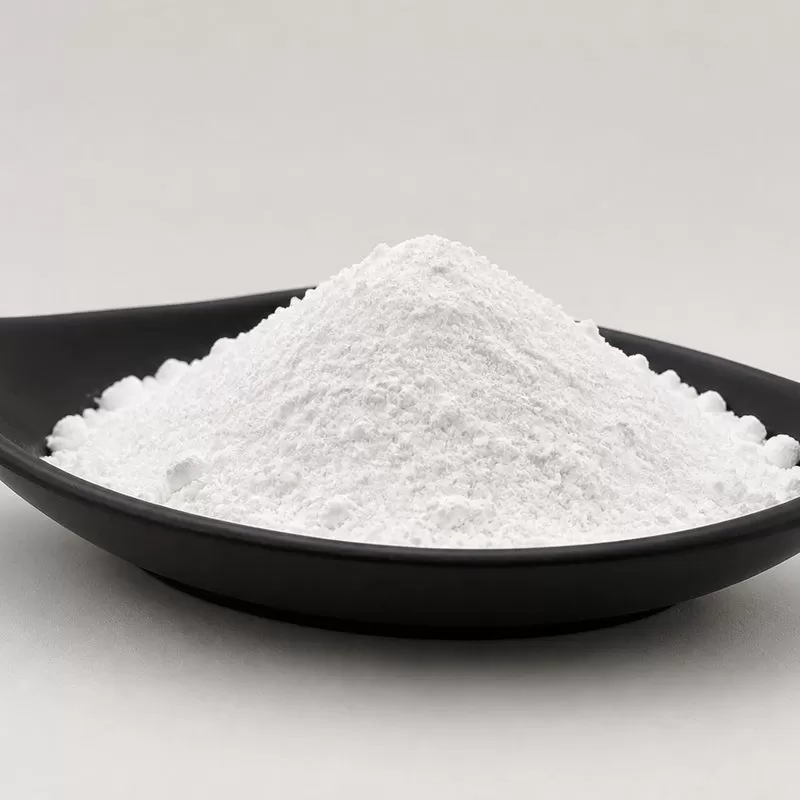
Key Factors to Evaluate Before You Buy Zinc Phosphate
Securing the right supplier involves more than just comparing base price quotes. Substandard pigments can lead to premature coating failure, blistering, and settling during storage. Always evaluate the following technical and operational criteria before signing a supply contract:
1. Purity and Stoichiometric Balance
Industrial zinc phosphate typically exists as a dihydrate or tetrahydrate compound (Zn3(PO4)2·2H2O or Zn3(PO4)2·4H2O). Ensure the material meets international anti-corrosion purity benchmarks, such as those defined under ISO 6745 standards for zinc phosphate pigments. Confirm that the total zinc (Zn) content and phosphate (PO4) ratios match your formulation guidelines, and check that water-soluble salt residues remain low to prevent osmotic blistering in wet conditions.
2. Oil Absorption and Specific Surface Area
The oil absorption value determines how much resin binder your pigment system will consume. If the oil absorption value shifts between shipments, your paint's viscosity and critical pigment volume concentration (CPVC) will fluctuate. Demand a narrow, guaranteed oil absorption range on every prospective supplier's Certificate of Analysis.
3. Regulatory Compliance
Ensure the manufacturer provides documented compliance with international regulatory frameworks, including EU REACH registration, RoHS directives, and regional heavy metal contamination limits (specifically relating to trace lead, cadmium, and arsenic limits).
4. Packaging Integrity and Moisture Protection
Zinc phosphate is a finely divided powder that tends to agglomerate if exposed to ambient humidity during transport. Reliable suppliers use multi-ply kraft paper bags with inner polyethylene heat-sealed liners or heavy-duty woven polypropylene FIBC bulk bags (jumbo bags) fitted with moisture-barrier liners.
Frequently Asked Questions (FAQ)
Q1: What is the typical Minimum Order Quantity (MOQ) for buying zinc phosphate in bulk?
A1: When ordering direct from a chemical manufacturer, the standard commercial MOQ usually starts at one full 20-foot container load (FCL), which holds between 18 and 20 metric tons on pallets. Some synthesis producers accept trial trial-order MOQs of 1 to 3 metric tons for initial industrial plant trials. Regional distributors, by contrast, routinely sell individual 25kg bags or single pallets (1,000kg) to local accounts.
Q2: How much does bulk zinc phosphate cost per metric ton?
A2: Bulk pricing varies based on raw material costs—primarily global zinc metal and phosphoric acid indices—along with order volumes and physical modifications. Standard industrial grades generally trade between $1,800 and $2,800 USD per metric ton FOB, while ultra-fine, micronized, or surface-modified varieties command higher prices. Always request a real-time quote to account for raw material and energy adjustments.
Q3: Can I request free samples of zinc phosphate before committing to a commercial contract?
A3: Yes, credible manufacturers routinely provide complimentary laboratory samples (typically 500 grams to 2 kilograms) so your R&D and QA departments can evaluate particle size distribution, oil absorption, and anti-corrosive performance in test formulations. While the test material is generally free, buyers are often asked to cover express courier freight.
Q4: How do I verify the quality and consistency of imported zinc phosphate?
A4: Request a lot-specific Certificate of Analysis (COA) prior to dispatch, and confirm the supplier operates under an audited ISO 9001 quality management framework. Many international buyers use third-party inspection agencies like SGS or Bureau Veritas to sample, test, and verify container contents at the loading port before releasing final payment.
Q5: What is the shelf life of bulk zinc phosphate, and how should it be stored?
A5: When stored in unopened original packaging away from moisture and extreme temperatures, zinc phosphate has an expected shelf life of at least 24 to 36 months. Warehouses should maintain dry, well-ventilated ambient conditions, stacking pallets no more than two high to prevent pressure-compaction of the micronized particles.
Secure Your Chemical Supply Line
Choosing between a direct chemical synthesis plant and a distributor comes down to balancing purchase volume against fulfillment lead times. If your manufacturing plants require steady, truckload-level consumption, buying directly from a primary chemical manufacturer delivers significant unit cost reductions and tighter formulation control.
At Xinsheng, we specialize in manufacturing high-performance corrosion-inhibiting pigments designed for modern industrial coatings. Our engineering and export teams supply industrial operations worldwide with high-purity, stable zinc phosphate that meets international standards.
Contact our technical procurement team today to discuss your plant's raw material requirements, request a complete technical packet, or order evaluation samples for your laboratory.