
Phosphate-based chemical bonding plays a major role in modern material science, bridging performance gaps where traditional organic polymers and silicate systems deteriorate. Among inorganic compounds, aluminum phosphate exhibits unique structural versatility, thermal stability, and adhesive characteristics. Its function spans refractory castables, high-temperature ceramics, protective surface treatments, and specialty electrical sheet coatings.
Achieving stable formulations requires a thorough understanding of the molecular behavior, stoichiometric variations, and phase transformations inherent to the Al2O3-P2O5-H2O system. Material engineers face precise challenges regarding rheology control, shelf-life stability, and dehydration shrinkage during curing cycles. This analysis examines the crystal chemistry, reaction kinetics, and processing variables governing industrial utilization.
Chemical Architecture and Polymorphic Phase Transitions
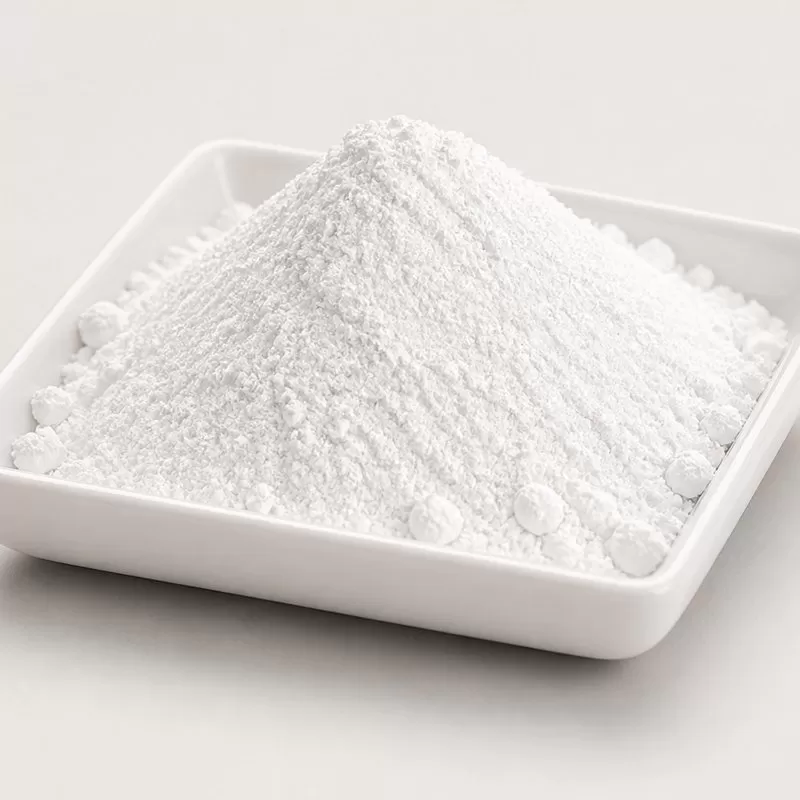
The primary stoichiometric form, aluminum orthophosphate (AlPO4), shares an isoelectronic and isostructural relationship with silica (SiO2). The alternating sequence of corner-sharing [AlO4] and [PO4] tetrahedra forms a three-dimensional framework with no unshared oxygen vertices. This structural design grants the lattice distinct thermal properties and phase transition pathways analogous to quartz, tridymite, and cristobalite.
At ambient temperatures, the stable polymorph is berlinite, matching alpha-quartz with a trigonal space group. Upon heating, berlinite undergoes a reversible displacive transformation to beta-berlinite at approximately 580°C. Further thermal input triggers reconstructive transformations: converting to a phosphotridymite phase around 812°C, and subsequently into a phosphocristobalite phase near 1025°C. The lattice maintains stability up to 1650°C, where thermal decomposition begins through the volatilization of phosphorus pentoxide (P2O5), leaving residual corundum (alpha-Al2O3).
Beyond neutral orthophosphates, acidic variants such as monoaluminum phosphate (Al(H2PO4)3), often handled as concentrated liquid solutions, exhibit high chemical reactivity. Liquid monoaluminum phosphate features acidic hydroxyl groups coordinated with phosphorus atoms. These facilitate condensation polymerization upon heating, yielding polymeric chains and crosslinked metaphosphate networks that form rigid skeletal structures between refractory aggregate grains.
High-Temperature Refractory and Ceramic Matrix Bonding Mechanisms
Phosphate bonding mechanisms differ fundamentally from hydraulic-setting cements like calcium aluminate. In monolithic refractory castables, ramming mixes, and mortars, phosphate bonding agents function through a progression of polycondensation reactions initiated either thermally or chemically.
When liquid acid phosphates interact with basic or amphoteric refractory aggregates—such as calcined bauxite, tabular alumina, or silicon carbide—a preliminary neutralization reaction occurs at ambient temperatures. Upon applied heating (150°C to 500°C), continuous dehydration leads to the formation of aluminum metaphosphate [Al(PO3)3] and aluminum pyrophosphate [Al4(P2O7)3]. These amorphous intermediate phases coat and bridge matrix particles, imparting high green strength and intermediate temperature strength before ceramic sintering fully establishes.
Refractory Binder System Comparison
| Binder Category | Primary Setting Mechanism | Service Limit (°C) | Thermal Shock Resistance | Slag Corrosion Resistance |
|---|---|---|---|---|
| Phosphate Binders | Chemical condensation & ceramic phase bonding | 1750 – 1850 | Exceptionally High | High (acid & neutral slags) |
| Calcium Aluminate Cement | Hydraulic hydration (AH3, CAH10 conversion) | 1400 – 1600 | Moderate | Moderate (susceptible to basic slag) |
| Sodium Silicate Binders | Silica gelation via acid/gas precipitation | 1000 – 1200 | Low | Low (forms low-melting glasses) |
| Colloidal Silica | Steric destabilization & siloxane crosslinking | 1600 – 1700 | High | Moderate to High |
The elimination of the intermediate temperature strength loss—a common structural degradation observed in calcium aluminate systems between 800°C and 1100°C due to hydrate decomposition—stands out as a primary advantage of phosphate bonds. The amorphous metaphosphate network maintains dimensional stability and structural load-bearing capacity until direct ceramic sintering converts the interface into a crystalline corundum-berlinite composite.
Protective Coatings and Anti-Corrosion Formulations
In surface finishing and protective coatings, phosphate compounds contribute significantly to barrier protection and passivating metal substrates. Applying aluminum phosphate within heavy-duty primer systems serves a dual purpose: electrochemical polarization and mechanical barrier densification.
Upon coating application to ferrous substrates, trace dissociated phosphate anions react with iron cations to form an insoluble, microscopic vivianite-like iron phosphate passivating layer directly on the metal interface. This conversion reaction blocks electrochemical electron transport, suppressing underfilm corrosion creep and blistering.
Incorporating specialized phosphate pigments yields dense barrier layers when formulated into waterborne epoxy, polyurethane, or polysilicate networks. Key formulation parameters include:
Modified Orthophosphate Pigments: Zinc-modified or strontium-modified orthophosphates release controlled concentrations of phosphate ions upon moisture permeation, re-passivating micro-fractures in the paint film.
Replacement of Toxic Chromates: Inorganic phosphate systems match the corrosion inhibition profiles of zinc chromate and strontium chromate systems, meeting stringent environmental standards.
Electrical Insulation in Core Steels: In electrical steel sheet coatings (lamination varnishes), monoaluminum phosphate blends with colloidal silica to generate ultra-thin, highly insulating ceramic layers capable of withstanding stress-relief annealing up to 800°C.
Synthesis Control, Purity Metrics, and Industrial Grade Differentiation
Industrial production methods dictate the crystallization behavior, chemical reactivity, and storage life of both solid powders and liquid phosphate solutions. Synthesizing orthophosphates and acid phosphates centers on the stoichiometric digestion of aluminum hydroxide (Al(OH)3) in high-purity thermal or wet-process phosphoric acid (H3PO4).
The reaction runs under strictly regulated temperature and agitation regimes:
Al(OH)3 + 3 H3PO4 → Al(H2PO4)3 + 3 H2O
To produce solid orthophosphate, subsequent spray drying, calcining, and micronization steps convert the liquid precursor to crystalline or amorphous AlPO4. Controlling the P2O5 to Al2O3 molar ratio is pivotal. Deviations toward excess phosphorus result in hygroscopic powders that absorb ambient moisture and cause premature agglomeration in dry mixes. Conversely, excess aluminum leaves unreacted trihydrate phases, generating unwanted foaming via water vapor generation during thermal curing.
Advanced manufacturing centers, including specialized operations managed by Xinsheng, prioritize strict control over trace impurities. High concentrations of free phosphoric acid alter pH dynamics, while excessive levels of alkali ions (Na+, K+) or iron (Fe2O3) impair thermal refractoriness and drop electrical insulation values. Laser diffraction particle size analyses ensure tailored D50 and D98 distributions, minimizing matrix porosity in target castables and paints.
Resolving Processing Bottlenecks in Production Environments
Formulating with phosphate-based binders introduces specific chemical complexities that require proactive engineering solutions.
Viscosity Drift in Slurry Systems
Liquid phosphate binders often experience gradual polymerization during storage, resulting in rising viscosity and variable wetting behavior. Stabilizing these liquid mediums involves the addition of small amounts of complexing organic acids or thermal buffering agents, preventing early polycondensation without hindering curing reactivity above 120°C.
Hydrogen Gas Generation in Metallic Refractories
When acid phosphate binders contact elemental metallic additives (such as aluminum, silicon, or iron powders added to refractories as antioxidants), spontaneous redox reactions produce hydrogen gas. This gas generation causes foaming, blistering, and structural weakness within the castable. Mitigating this effect requires:
Pre-passivating metallic powders using surface silanization or organic acid coatings.
Introducing specific chemical inhibitors that selectively passivate elemental metal surfaces.
Utilizing buffered, solid phosphate binders that activate only when heated.
Pot-Life Extension in Cold-Setting Systems
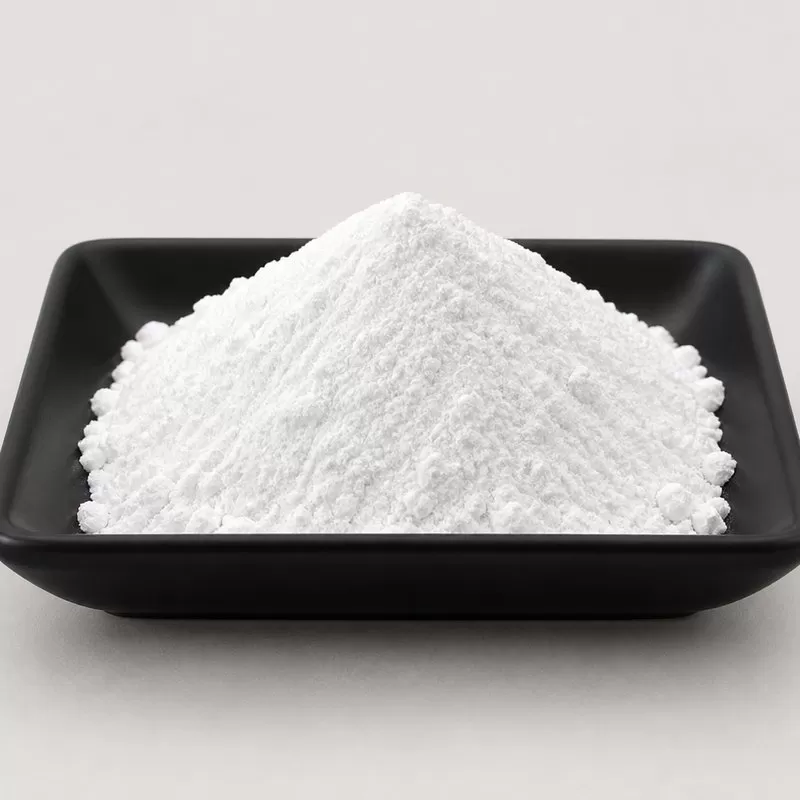
Phosphate castables requiring ambient setting use powdered hardeners, typically metal oxides like magnesium oxide (dead-burned magnesite) or calcium silicates. The fast reaction rate between basic MgO and acidic phosphate groups can cause sudden rapid setting. Engineering precise particle size distributions and controlling the calcination degree of MgO hardeners allows processors to extend working time to 45–90 minutes, ensuring uniform placement and compaction.
Refining these processing parameters allows processors to leverage the functional characteristics developed by Xinsheng to achieve consistent mechanical performance across varied operational environments.
Frequently Asked Questions
What distinguishes monoaluminum phosphate from aluminum orthophosphate?
Monoaluminum phosphate, Al(H2PO4)3, features an acidic P:Al molar ratio of approximately 3:1 and is typically supplied as a liquid solution or hygroscopic powder. It serves primarily as a chemically reactive binder that cures upon heating. Aluminum orthophosphate, AlPO4, features an exact 1:1 molar ratio, is neutral, insoluble in water, and functions primarily as a ceramic filler, refractory aggregate, pigment, or catalyst support.
How does the thermal expansion of berlinite compare to alpha-quartz?
Berlinite possesses a crystal structure very similar to alpha-quartz, with comparable lattice parameters. It exhibits a similar thermal expansion coefficient and undergoes a displacive phase transformation around 580°C. This makes it an effective thermal expansion-matching filler in precision ceramics, electronic substrate coatings, and optical glass manufacturing.
Can phosphate binders be used in basic refractory environments?
Phosphate binders demonstrate high performance in acidic and neutral aggregates like alumina, mullite, and silica. Their use with basic aggregates, such as raw dolomite or active periclase (MgO), requires caution. Rapid acid-base neutralization reactions can lead to cracking and flash setting. Specialized formulations require hardeners with low reactivity, dead-burned phases, or thermal-activation mechanisms.
What curing profile is recommended for liquid phosphate-bonded castables?
A typical curing cycle begins with ambient holding for 24 hours to allow initial setting, followed by stepped heating. Temperature should rise at 15–25°C per hour to 110°C–150°C to drive off free moisture, followed by an intermediate soak at 300°C–350°C to release chemically bound water during phosphate condensation, and finally a ramp-up to operating service temperatures.
Is aluminum phosphate environmentally compliant for anti-corrosive coatings?
Modern orthophosphates and modified phosphate pigments are non-toxic and non-carcinogenic alternatives to traditional chromate-based rust inhibitors. They release non-hazardous phosphate species that form stable iron phosphate barrier layers without generating regulated heavy metal runoff, meeting global environmental standards.
Sourcing and Industrial Supply Specifications
Specifying high-grade raw materials requires clear alignment between chemical purity metrics and application performance. Whether designing high-density monolithic refractories, refractory mortars, electrical steel coatings, or corrosion-inhibiting primers, controlling the phosphate-to-alumina ratio, particle size distribution, and liquid viscosity remains central to preventing product variation.
Industrial operations seeking dependable supply channels can work directly with Xinsheng to secure high-purity aluminum phosphate engineered to exacting chemical standards. Specialized custom formulations, including adjusted particle sizes, modified liquid densities, and low-impurity grades, are available to meet demanding operating requirements. Contact our engineering team to request detailed specification sheets, discuss binder selection, and receive bulk evaluation samples.