
Global environmental regulations are tightening rapidly. Regional authorities continuously enforce strict REACH guidelines and low-VOC mandates. As a result, paint manufacturers are phasing out toxic hexavalent chromium and lead-based anti-corrosive pigments across all market segments.
Modern industrial coatings demand non-toxic, highly effective, and fully compliant protection against rust. Zinc phosphate—frequently searched as zinc fosfat across global markets—has emerged as the premier non-toxic anti-corrosion pigment for modern metal primers.
Shijiazhuang Xinsheng Chemical Co., Ltd. (Xinsheng) stands at the forefront of this industrial shift. As a specialized manufacturer of eco-friendly phosphate materials, Xinsheng delivers high-purity anti-corrosion pigments designed to withstand demanding environmental conditions. From precise particle sizing to custom technical grades, Xinsheng helps global B2B buyers secure reliable asset protection while maintaining regulatory compliance.
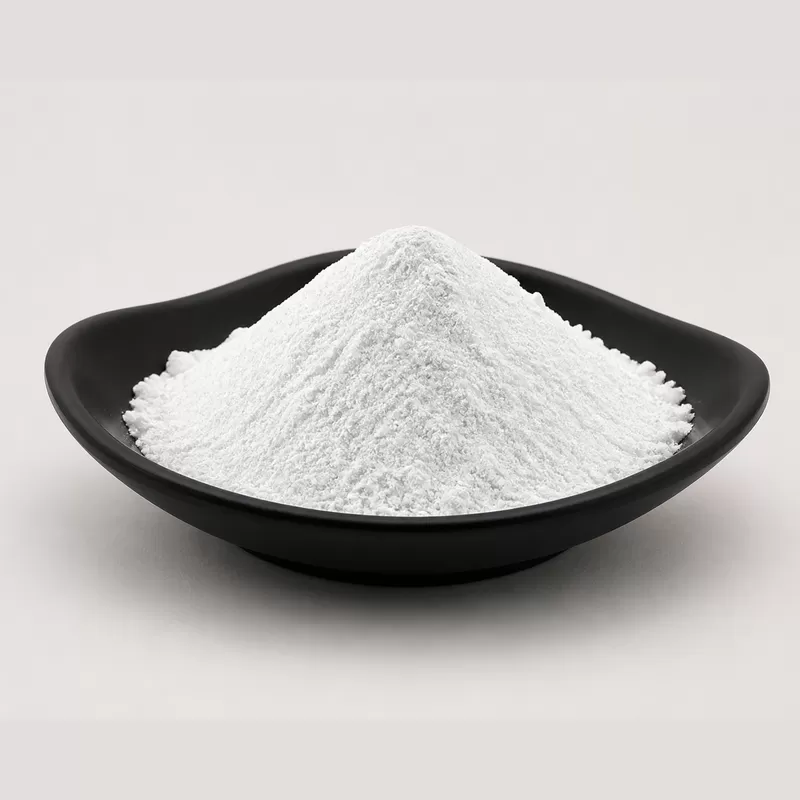
Why Zinc Phosphate (Zinc Fosfat) is Essential for 2026 Industrial
Coatings
In 2026, sustainable formulation is no longer optional. Industrial paint producers face intense pressure from regulators and end-users to adopt non-hazardous raw materials without sacrificing long-term durability.
Zinc phosphate provides an optimal balance of eco-friendly performance and cost efficiency. It works reliably across diverse binder technologies without introducing regulatory liabilities.
Environmental and Regulatory Compliance
Unlike traditional lead chromate or strontium chromate, high-purity zinc phosphate contains zero heavy metals subject to severe environmental bans. It complies fully with global standards, including European REACH regulations and North American EPA guidelines.
Formulating with non-toxic zinc fosfat allows chemical suppliers to export finished coatings worldwide without running into dangerous substance restrictions.
Passivation Mechanism and Corrosion Inhibition
How does zinc phosphate prevent steel from rusting? The mechanism relies on active chemistry at the substrate interface.
When moisture slowly penetrates a protective paint film, zinc phosphate hydrolyzes slightly to yield phosphate ions. These ions react directly with iron cations on the steel substrate, creating a complex, insoluble iron-zinc phosphate passivation layer.
Passivation Layer: This dense microscopic crystalline film blocks further oxidation at active anodic sites.
Film Integrity: The passive barrier reduces blistering and prevents sub-film rust creep, even if the topcoat suffers mechanical scratches.
Synergistic Protection: Combining zinc phosphate with basic functional extenders reinforces the barrier effect against moisture and airborne chloride ions.
Key Industrial Application Areas
Because of its chemical stability and neutral color, formulators utilize zinc fosfat across a wide range of industrial applications:
Marine and Offshore Coatings: Ballast tanks, ship hulls, and marine structural steel exposed to severe saltwater spray.
Heavy Duty Industrial Maintenance: Structural bridges, chemical storage tanks, and industrial pipeline networks.
Automotive and Commercial Vehicles: Electrodeposition (E-coat) primers, truck chassis paints, and agricultural machinery finishes.
Coil and OEM Coatings: Pre-painted galvanized steel coils used in modern architectural cladding and roofing panels.
What Makes Xinsheng a Premier Global Zinc Phosphate Supplier?
Choosing a chemical raw material supplier requires evaluating more than just chemical formulas. Global coating manufacturers need consistent production capacity, strict quality assurance, and dependable international delivery schedules. Shijiazhuang Xinsheng Chemical Co., Ltd. builds long-term commercial partnerships based on operational reliability.
Advanced Automated Production and Batch Consistency
Xinsheng operates automated chemical synthesis lines at its modern manufacturing center in Shijiazhuang. Automated control systems monitor reaction temperatures, pH values, precipitation rates, and drying phases in real time.
This strict operational oversight guarantees minimal batch-to-batch variation. Chemical buyers receive uniform purity, predictable reactivity, and reliable color stability in every single shipment.
Precision Particle Size Distribution (PSD)
Particle size directly impacts pigment dispersibility and anti-corrosion performance. Coarse pigment particles can cause surface defects and settlement issues in paint drums, while excessively fine particles dramatically increase oil absorption.
Xinsheng precise micronization technology balances particle size distribution (PSD) perfectly. Our optimized zinc fosfat grades integrate smoothly into liquid resin matrices, minimizing high-speed grinding times while maintaining low viscosity for easy handling.
Proven Global Fulfillment and Logistics
Exporting chemical materials worldwide requires strict adherence to international shipping standards. Xinsheng provides full export support for global B2B clients, including customized bulk packaging, multi-layer moisture barrier bags, and prompt container freight handling.
Whether you operate a regional paint factory or a multi-national chemical distribution firm, Xinsheng guarantees reliable order fulfillment and full documentation support.
Xinsheng’s Comprehensive Anti-Corrosion Pigment Matrix
To serve diverse industrial requirements, Xinsheng maintains a broad portfolio of advanced phosphate materials. Each product targets specific binder chemistries, curing profiles, and corrosion challenges.
Zinc Phosphate (Zinc Fosfat)
Our core product line includes standard and modified zinc phosphate grades. It serves as the workhorse anti-corrosive pigment for general industrial primers, alkyd maintenance paints, and heavy-duty epoxy shop primers.
Aluminum Tripolyphosphate
Formulated for extreme anti-corrosion challenges, modern aluminum tripolyphosphate delivers superior performance in acidic industrial atmospheres. It provides enhanced chemical resistance and works effectively as a direct high-performance replacement for toxic chromate compounds.
Aluminum Dihydrogen Phosphate
Engineered primarily for high-temperature applications, aluminum dihydrogen phosphate serves as an outstanding binder for refractory materials, high-temperature ceramics, and heat-resistant industrial coatings exposed to thermal cycling.
Aluminum Phosphate and Metaphosphate
These specialized functional additives improve film density, surface hardness, and heat resistance in specialized industrial formulations. They are widely used in specialized heat-resistant paints and industrial functional coatings.
Technical Selection Guide: How to Choose the Right Grade of Zinc Phosphate
Coatings formulators must select pigment grades that align directly with their binder system and end-use exposure conditions. Mismatches can cause viscosity destabilization, poor adhesion, or inadequate salt spray resistance.
Matching Resin Systems with Zinc Phosphate Grades
Different resin matrices interact uniquely with active anticorrosive pigments:
Epoxy Resins (Two-Component): Standard micronized zinc phosphate provides excellent barrier performance and long-term chemical resistance in epoxy primers.
Alkyd Resins (Short/Medium Oil): Modified zinc fosfat grades help prevent film embrittlement, ensuring smooth color development and strong adhesion on raw steel.
Waterborne Acrylics & Polyurethanes: Require surface-modified, low-solubility zinc phosphate grades to prevent ionic shock, flash rust, and latex coagulation during storage.
Waterborne vs. Solventborne Formulation Considerations
Solventborne primers tolerate a wider range of raw material variables. However, waterborne industrial coatings demand strict control over soluble salt content.
If a zinc fosfat grade releases too many soluble ions into a waterborne system, the latex emulsion can break down, causing phase separation. Xinsheng offers ultra-low conductivity grades engineered specifically to protect waterborne resin stability while delivering maximum anti-corrosion performance.
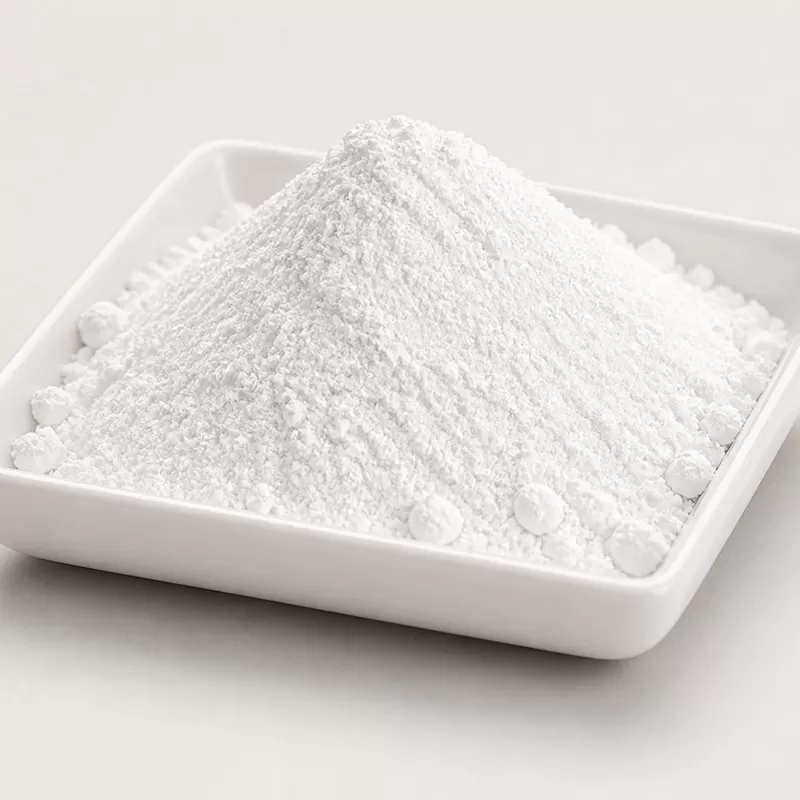
2026 B2B Procurement Checklist: Evaluating Your Chemical Supplier
Sourcing raw chemical materials internationally involves risk management. Procurement managers should evaluate potential supply partners against essential technical and operational benchmarks before finalizing long-term contracts.
1. Quality Management and Environmental Certifications
Verify that your manufacturer holds current ISO 9001 quality management and ISO 14001 environmental management certifications. Complete REACH compliance documentation is critical for any materials entering European markets.
2. Empirical Corrosion Testing Data
Reputable suppliers must provide objective test reports backing up their product claims. Request salt spray chamber performance data (ASTM B117) and humidity resistance testing results for specific primer formulations.
3. Physical Property Consistency
Examine Technical Data Sheets (TDS) for key parameters:
Zinc content percentage (%)
Oil absorption values (g/100g)
Sieve residue rates (45-micron mesh)
pH range and water-soluble matter content
4. Flexible Packaging and Sample Dispatch
Ensure the manufacturer supports versatile packaging formats—such as 25kg valve bags or 1000kg big bags (ton bags)—and maintains an efficient sample delivery service for initial lab verification.
Frequently Asked Questions (FAQ)
Q1: What is the difference between standard zinc phosphate and
modified zinc phosphate?
A1: Standard zinc phosphate consists
primarily of pure orthophosphate compounds. Modified zinc phosphate integrates
secondary functional ions (such as aluminum or molybdate) to increase solubility
rates, speed up passivation film formation, and provide enhanced protection in
aggressive saline or acidic environments.
Q2: Can zinc fosfat completely replace chromate pigments in
industrial primers?
A2: Yes. High-quality zinc fosfat, especially
when combined with proper extenders or synergistic phosphate blends, effectively
matches the rust-inhibiting performance of traditional chromate pigments without
introducing toxicity or environmental hazards.
Q3: How does particle size affect the anti-corrosion efficiency of
zinc fosfat?
A3: Finer, uniform particle sizes improve pigment
dispersion throughout the cured resin matrix, eliminating weak spots in the
protective film. Proper particle sizing ensures consistent coverage, superior
barrier density, and smoother surface finishes on metal substrates.
Q4: What resin systems are most compatible with Xinsheng’s zinc
phosphate?
A4: Xinsheng zinc phosphate grades show broad
compatibility across two-pack epoxy, alkyd, waterborne acrylic, polyurethane,
polyester, and coil coating systems.
Q5: How can B2B buyers request TDS, MSDS, and free laboratory samples
from Xinsheng?
A5: B2B buyers can contact the sales and technical
support team at Shijiazhuang Xinsheng Chemical directly through our official
contact portal. We provide comprehensive Technical Data Sheets (TDS), Material
Safety Data Sheets (MSDS), and complimentary testing samples upon request.
Conclusion & Get Direct Factory Quotes from Xinsheng
As global environmental regulations eliminate toxic anticorrosive pigments, industrial paint manufacturers need reliable, high-performance replacements. High-purity zinc phosphate remains the industry standard for safe, effective, and long-lasting metal corrosion prevention.
Shijiazhuang Xinsheng Chemical Co., Ltd. combines advanced chemical manufacturing, rigorous quality control, and proven global export capabilities. Our comprehensive range of standard and modified phosphate pigments delivers superior asset protection across diverse industrial markets worldwide.
Upgrade your industrial coating performance with proven anti-corrosion technology. Contact the Xinsheng technical team today to request comprehensive product documentation, obtain free testing samples, and secure competitive direct-from-factory wholesale quotes for your 2026 production requirements.