
Environmental regulations continue to eliminate toxic anti-corrosive pigments like red lead and zinc chromate from industrial paint recipes. Coatings formulators now prioritize non-toxic, high-performance alternatives that satisfy strict international environmental laws.
Among these safer options, phosphate de zinc anticorrosion stands out as the primary choice for active metal protection. Formulators rely on this active mineral pigment to build durable primer systems for steel structures, marine vessels, and heavy machinery.
At Xinsheng, we manufacture premium industrial raw materials through our Jinshi product division. We supply protective coating manufacturers worldwide with high-purity pigments, specialty phosphates, and premium rheology modifiers designed for demanding field applications.
This technical guide examines the chemical mechanisms of zinc phosphate, key formulation strategies, and the critical role of bulk rheology additives in preventing pigment settlement.
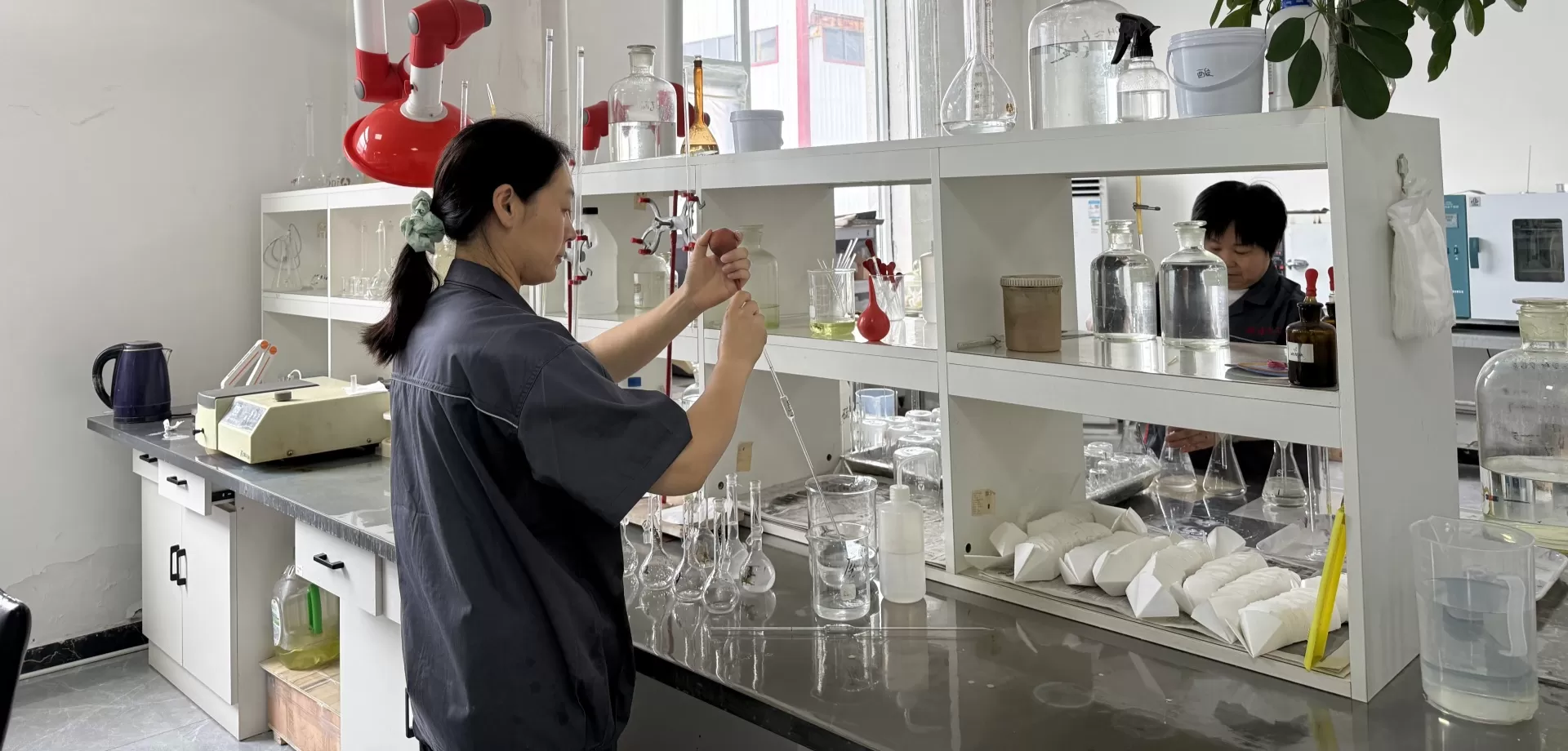
1. Core Mechanisms: How Phosphate de Zinc Prevents Corrosion
Corrosion occurs when moisture, oxygen, and electrolyte ions penetrate the paint film and strike the underlying steel surface. Unprotected steel quickly undergoes electrochemical oxidation, resulting in severe structural failure and flaking coatings.
Zinc phosphate provides active chemical passivation rather than simple physical barrier protection. When water vapor slowly diffuses through the cured film, the pigment slightly hydrolyzes and releases phosphate ions into the microscopic wet layer on the metal substrate.
These phosphate ions react directly with surface iron cations. This chemical interaction produces an insoluble, tightly bound iron-zinc-phosphate complex layer (Fe-Zn-Phosphate passivation film) across the steel interface.
This passivation layer acts as an impermeable chemical shield that offers clear performance benefits:
Anodic Inhibition: Blocks electron flow at anodic sites on the metal surface, stopping early rust development.
Interfacial Adhesion: Strengthens wet adhesion between the organic resin matrix and the metallic substrate.
Underfilm Corrosion Control: Prevents lateral rust creep when the topcoat suffers mechanical scratches or chips.
System Compatibility: Functions effectively across solvent-borne, high-solid, waterborne, and powder coating systems.
Paint chemists combine phosphate de zinc with various binder chemistries depending on the exposure environment. You will find this versatile pigment in heavy-duty epoxy primers, polyurethane intermediate coats, short-oil alkyd primers, and OEM electrodeposition coatings.
2. The Formulation Challenge: Solving Pigment Settlement
Developing an effective zinc phosphate anti-corrosion formulation requires balancing chemical active protection with physical liquid stability. Active pigments pose unique handling problems inside the liquid coating system during storage and transport.
Zinc phosphate has a high specific gravity, ranging between 3.2 and 4.0 g/cm³. In low-viscosity liquid primers, these heavy pigment particles rapidly fall out of suspension and concentrate at the bottom of the paint can.
Over time, uninhibited pigment particles compact tightly into a hard, cement-like layer. Applicators cannot re-disperse this hard sediment by hand mixing or mechanical shaking, rendering expensive paint inventory useless on the Jobsite.
Furthermore, heavy anti-corrosive primers frequently sag when applied in thick layers on vertical steel beams. High wet film thickness is essential for long-term corrosion resistance, but un-modified paint drips off edges and creates uneven surface coverage.
3. Formulating Synergy: Adding Sodium Bentonite Clay Bulk
To solve settlement and sag problems simultaneously, paint chemists rely on an efficient rheology modifier for heavy-duty coatings. Natural inorganic clays provide the ideal solution for heavy active pigment suspensions.
Integrating sodium bentonite clay bulk into your primer recipe creates a robust, reversible three-dimensional thixotropic gel network. This inorganic network suspends high-density pigment particles effortlessly during long-term storage.
Xinsheng processes high-grade sodium bentonite clays designed specifically for protective coating systems. Our Jinshi bentonite products deliver exceptional suspension power and controlled flow performance.
When added correctly, sodium bentonite clay bulk transforms the physical properties of heavy-duty primers:
Anti-Settling Performance: Suspends zinc phosphate, iron oxide, and barite particles indefinitely, preventing hard cake formation.
Shear-Thinning Behavior: Reduces viscosity under high shear during spraying for smooth, continuous atomization.
Rapid Viscosity Recovery: Regains high rest viscosity immediately after spray application to prevent sagging on vertical surfaces.
Syneresis Control: Inhibits liquid phase separation and floating clear resin layers on top of stored paint drums.
For industrial paint manufacturers running large-scale production lines, sourcing sodium bentonite clay bulk directly reduces raw material costs while maintaining precise batch-to-batch consistency.
4. Xinsheng Industrial Materials Product Matrix
Xinsheng manufactures a comprehensive family of inorganic functional pigments and additives under the Jinshi product brand. We engineered these materials to help formulators meet tough ISO 12944 anti-corrosion standards across various atmospheric industrial environments.
Our complete product portfolio includes:
Jinshi Zinc Phosphate: Standard, ultrafine, and modified active corrosion-inhibiting pigments tailored for high surface area contact and rapid passivation.
Aluminum Tripolyphosphate: An advanced eco-friendly active pigment designed for elevated temperature applications and high-performance waterborne primers.
Aluminum Dihydrogen Phosphate & Aluminum Phosphate: Specialized inorganic binders used in heat-resistant coatings, refractory materials, and specialized industrial adhesives.
Aluminum Metaphosphate: High-purity phosphate compounds engineered for specialized optical glass, ceramic glazes, and high-density protective layers.
Sodium Bentonite Clay Bulk Series: Highly purified, swelling-grade bentonite clays processed for superior viscosity build, thixotropy, and anti-settling in industrial paints.
5. Step-by-Step Formulation Guide & Processing Instructions
Maximizing the protective power of phosphate de zinc while ensuring liquid stability requires careful formulation discipline and correct ingredient sequencing.
Recommended Additive Ratios
In standard heavy-duty epoxy or alkyd protective primers, consider the following starting-point loading levels based on total formulation weight:
Jinshi Zinc Phosphate: 15% to 25% of total pigment grind weight (depending on target ISO 12944 corrosivity category C3 through C5).
Sodium Bentonite Clay Bulk: 0.5% to 2.0% of total liquid paint weight (typically incorporated as a pre-dispersed pre-gel).
Extender Pigments (Talc, Barite, Mica): 20% to 35% to optimize Pigment Volume Concentration (PVC).
Incorporation and Dispersion Sequence
Properly activating bentonite clay is critical. Clay minerals consist of stacked silicate microscopic platelets that must fully hydrate or swell in solvent to form a gel network.
Follow this processing order during the high-speed dispersion stage:
1. Charge the liquid resin binder and solvent blend into the high-speed disperser tank.
2. Slowly add the sodium bentonite clay bulk powder under low shear speed to wet out the dry particles thoroughly.
3. Add a polar activator (such as propylene carbonate, ethanol/water mixtures, or specialized wetting agents) if formulating solvent-based systems. High shear agitation breaks apart the clay stack aggregates.
4. Mix under high speed for 10 to 15 minutes until the fluid develops a smooth, clear gel structure and reaches full viscosity potential.
5. Introduce the Jinshi zinc phosphate active anti-corrosive pigment along with extenders and color pigments.
6. Grind the mixture under high shear until reaching the target Hegman gauge particle fineness (typically 25 to 35 microns for protective primers).
Troubleshooting Common Formulation Deficiencies
If your laboratory trial coatings show performance defects, adjust your recipe parameters using these proven solutions:
Issue: Hard settling occurs after heat aging tests.
Solution: Increase the sodium bentonite clay level by 0.3% or ensure the polar activator ratio matches the clay weight precisely for full swelling.Issue: Poor spray application and dry spray dusting.
Solution: Lower the level of extender pigments or re-adjust solvent evaporation rates; verify that the shear-thinning index remains optimal.Issue: Primer film blisters or cracks during salt spray testing.
Solution: Check the PVC/CPVC ratio. Lower the overall filler loading and verify that high-purity Jinshi zinc phosphate is evenly distributed without pigment agglomerates.Issue: Flash rusting on freshly blasted wet steel plates.
Solution: Incorporate a small percentage of Jinshi modified aluminum tripolyphosphate to provide fast-acting, wet-stage flash rust resistance.
6. Why Partner with Xinsheng for Global Supply?
Selecting reliable raw material sources is as vital as selecting the right formulation ingredients. Substandard pigments with uneven particle sizes or chemical impurities compromise paint adhesion and accelerate structural rust failures.
Xinsheng provides total peace of mind for paint manufacturers, raw material distributors, and procurement managers worldwide. We build long-term commercial relationships through consistent manufacturing standards and direct factory supply pricing.
Global coatings producers choose Xinsheng industrial materials for clear commercial reasons:
Uncompromising Quality Control: Every batch of Jinshi zinc phosphate and sodium bentonite clay undergoes rigorous testing for particle size distribution, oil absorption, moisture content, and chemical purity.
Global Regulatory Compliance: We maintain complete REACH registrations, comprehensive Safety Data Sheets (MSDS), and verified Certificates of Analysis (COA) for international export compliance.
Bulk Supply Capabilities: We supply sodium bentonite clay bulk orders in flexible containerized packaging options, including 25 kg bags, 500 kg super sacks, and bulk sea containers.
Technical Support Services: Our experienced coatings application laboratory helps customers optimize recipes, troubleshoot stability issues, and run competitive performance comparisons.
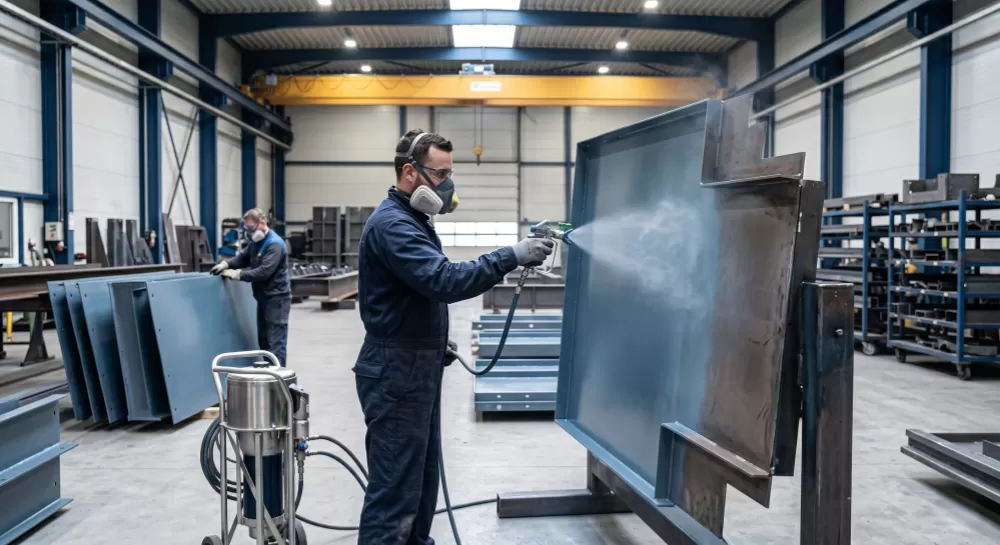
7. Request Your Technical Samples and Bulk Quote Today
Formulating high-performance protective primers requires premium raw materials that perform reliably in harsh outdoor environments. Combining active phosphate de zinc anticorrosion with high-yield sodium bentonite clay bulk gives your paint products the exact edge required for long-lasting steel preservation.
Partner with Xinsheng to secure high-purity industrial materials directly from our production facilities. Contact our technical sales team today to discuss your target recipe specifications, request technical datasheets, or order free evaluation samples of our Jinshi product range.
Take your industrial coating formulations to the next level. Click below to submit an inquiry and request a fast, competitive bulk price quote for your upcoming manufacturing run.
[Contact Xinsheng Technical Sales for Free Samples & Bulk Quotes]
Frequently Asked Questions (FAQ)
Q1: What is the primary functional benefit of phosphate de zinc in
anti-corrosion primer formulations?
A1: Phosphate
de zinc acts as an active passivating pigment. When moisture penetrates the
cured film, it slightly dissolves and releases phosphate ions. These ions react
with the iron substrate to form a dense, insoluble iron-zinc-phosphate complex
film that blocks anodic rust reactions and halts underfilm corrosion.
Q2: Why is sodium bentonite clay bulk necessary in heavy-duty zinc
phosphate coatings?
A2: Active anti-corrosive
pigments like zinc phosphate have a high specific gravity and settle rapidly
during storage. Sodium bentonite clay bulk creates a 3D thixotropic gel network
that holds heavy pigments in suspension, prevents hard settling cakes, and stops
vertical film sagging during spraying.
Q3: How should sodium bentonite clay be incorporated into a
solvent-borne coating formulation?
A3: For optimal
results, add the sodium bentonite clay bulk early in the liquid resin grind
stage. Mix the clay powder with solvent and resin under high shear, then add a
polar activator (such as propylene carbonate or ethanol/water) to fully expand
the clay silicate platelets before adding heavy pigments.
Q4: Can Jinshi zinc phosphate replace traditional chromate pigments
completely?
A4: Yes. Jinshi zinc phosphate provides
effective non-toxic active passivation without environmental or health hazards.
It serves as an ideal non-toxic replacement for red lead and hexavalent chromate
pigments across industrial primers, marine coatings, and automotive e-coats.
Q5: What packaging options are available for bulk procurement from
Xinsheng?
A5: Xinsheng offers flexible bulk
procurement options tailored to global shipping standards. We provide sodium
bentonite clay bulk and Jinshi zinc phosphate in 25 kg multi-wall paper bags,
500 kg or 1000 kg big bags (super sacks), and full container load (FCL)
shipments for major paint manufacturers.