
Procurement teams facing a tight production schedule often turn to search engines to find zinc phosphate for sale. At first glance, standard market listings show dozens of options that look identical on paper.
Buying strictly on the lowest price-per-ton, however, regularly backfires on coating manufacturers. A small variance in chemical purity or particle size can ruin a 10,000-liter batch of primer, causing phase separation, poor dispersion, or sudden corrosion failures in the field.
Industrial demand for non-toxic anti-corrosion pigments continues to climb. Tightening environmental regulations have pushed toxic lead and chromate inhibitors out of modern paint formulations.
Zinc phosphate has stepped in as the reliable backbone for protective primers across marine, automotive, and heavy industrial sectors. But not every batch on the market delivers the performance your formulation engineers expect.
Founded in 1993, Xinsheng has manufactured specialized phosphate compounds for over three decades. Based on our shop-floor and laboratory experience, here are the five technical and logistical factors you should review before placing your next bulk order.
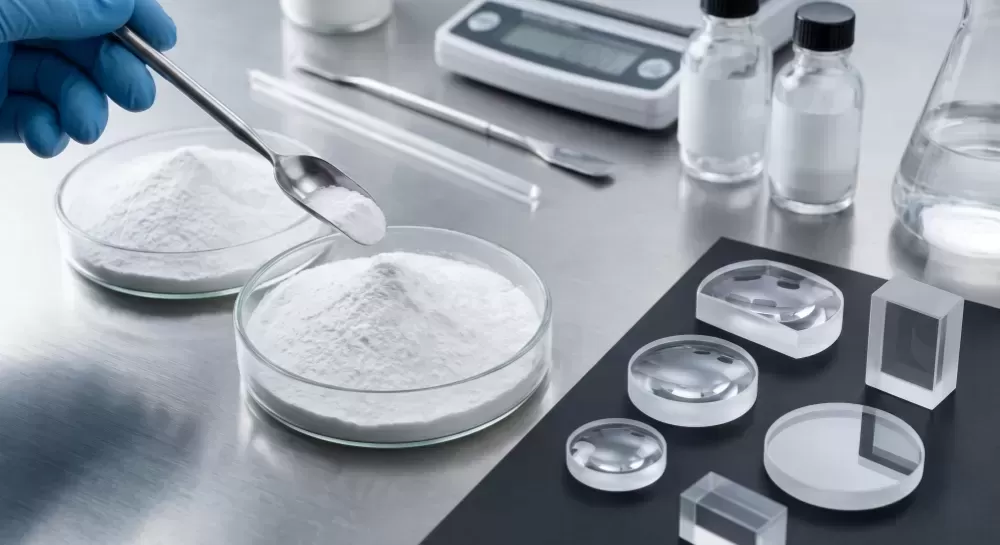
1. Chemical Purity and Physical Specifications
When reviewing technical data sheets (TDS) for industrial pigments, you need to examine the numbers behind the marketing claims. Performance in an anti-corrosion coating relies directly on stoichiometric balance.
Zinc Content and Phosphate Radical Ratios
Standard orthophosphate formulas depend on precise ratios of zinc (Zn) and phosphate (PO43-). If the active zinc content drops below standard thresholds (typically around 50% to 52%), the pigment loses its ability to passivate the underlying steel substrate effectively.
Water-Soluble Matter
This is often the most overlooked line item on a certificate of analysis (COA). High levels of water-soluble salts draw moisture straight through the dry paint film via osmosis.
If your water-soluble content exceeds 0.5%, your coating risks premature blistering and early adhesion failure in salt-spray chambers. Premium grades keep this metric strictly below 0.2%.
Particle Size Distribution (D50) and Fineness
Coarse particles demand extended milling times, raising your power costs and slowing down batch production runs. A narrow particle size distribution ensures fast, uniform wetting in modern high-speed dissolvers.
Standard Grades: Typically feature a fineness of 325 mesh (around 45 microns residue < 0.5%), suitable for general industrial primers.
Micronized Grades: Feature a D50 value between 2 to 5 microns, making them ideal for thin-film coils, automotive e-coats, and high-gloss finishes.
Oil Absorption Values
Oil absorption directly dictates binder demand. If your raw material supplier delivers a batch with wild swings in oil absorption, your paint viscosity will drift, forcing production workers to adjust solvent and resin levels on the fly.
2. Anti-Corrosion Mechanisms and Formulation Compatibility
Zinc phosphate functions through active electrochemical passivation rather than just physical barrier blocking. Understanding how it interacts with your binder system ensures you buy the correct grade.
When moisture penetrates a primer film, zinc phosphate hydrolyzes slightly, releasing zinc ions and phosphate ions. These ions react with bare iron to form a dense, insoluble tertiary iron-zinc phosphate film (Zn2Fe(PO4)2·4H2O).
This crystalline layer effectively starves the anode of oxygen and moisture, arresting the electrochemical corrosion process at the steel interface.
Compatibility with Solventborne and Waterborne Systems
Formulators face distinct challenges depending on whether they work with solvent-based or waterborne resins:
Epoxy and Polyurethane Primers: Require dry, low-moisture pigment to prevent unwanted side-reactions with isocyanate curing agents or amine hardeners.
Alkyd Systems: Rely on smooth dispersibility to prevent pigment settlement during extended warehouse storage.
Waterborne Acrylics: Demand pigments that will not shock the emulsion or trigger flash rusting during the flash-off phase.
For operations with demanding marine or chemical environments, standard zinc phosphate can be fortified. In such scenarios, formulators frequently blend their pigment loading with modified compounds like aluminum tripolyphosphate to gain higher ion-exchange capacity.
3. Batch-to-Batch Consistency and Process Control
A flawless 500-gram laboratory sample means nothing if the full 20-ton delivery performs differently on the shop floor. Batch drift is a persistent complaint among procurement managers purchasing anti-rust primer raw materials.
Variations in raw material feedstocks—such as using contaminated zinc oxide residues instead of high-grade zinc sources—can introduce trace metals that alter pigment tint and reactivity.
At Xinsheng, quality control begins with incoming raw material screening and extends through precipitation, washing, calcination, and micronization. Standardized reaction temperatures and filtration cycles prevent structural variations between crystalline states.
When you evaluate bulk zinc phosphate suppliers, ask these direct questions:
Do you track pH, moisture, and sieve residue on every single production lot?
Can you provide historical retention data across consecutive quarters?
What is your tolerance window for color variations (Delta E) in white and off-white base primers?
4. Regulatory Compliance and Export Certification
Industrial coatings face strict chemical restrictions worldwide. Export-focused coating manufacturers cannot risk utilizing uncertified anti-corrosion pigments for coatings that might trigger port rejections or legal fines.
Heavy metal contamination is the primary risk factor. Zinc sources containing unrefined trace residues often carry unacceptably high fractions of lead (Pb), cadmium (Cd), or arsenic (As).
Before confirming an order, ensure your supplier provides:
REACH Registration: Essential for supplying European markets or exporting finished coated goods to EU nations.
RoHS Documentation: Mandatory for coatings applied to consumer electronics, appliances, and automotive components.
Updated SDS: Fully aligned with the Globally Harmonized System (GHS) of Chemical Classification and Labelling.
Reliable manufacturers continuously audit their product lines to maintain compliance with regional environmental standards, giving industrial brands complete regulatory coverage.
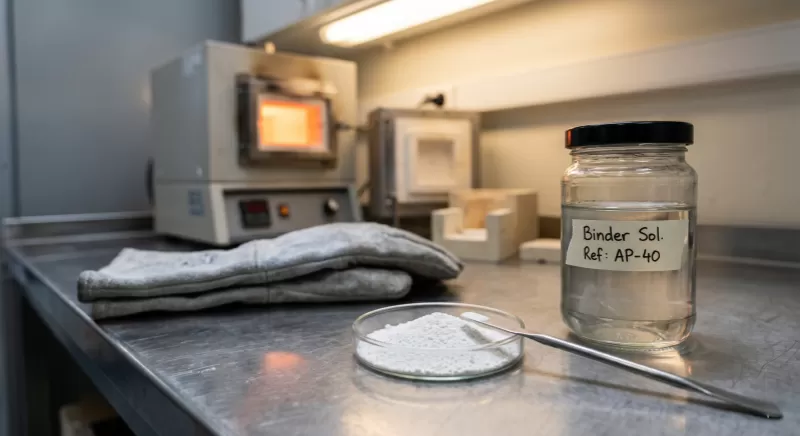
5. Supply Chain Reliability and Operational Efficiency
Unplanned production downtime costs paint factories thousands of dollars per hour. If your raw material vendor misses a delivery window, your entire production schedule grinds to a halt.
Evaluating a supplier’s true logistical capability is just as critical as assessing their technical data sheet.
Manufacturing Capacity and Warehouse Buffers
Small trading intermediaries often struggle when raw material supplies tighten. Sourcing directly from an established zinc phosphate manufacturer ensures consistent raw material reserves and seasonal stability.
Packaging Durability for International Transit
Zinc phosphate is mildly hygroscopic. Exposure to humid air during ocean transit causes caking and hard agglomerates, rendering the pigment difficult to disperse upon arrival.
Demand durable packaging specifications, including multi-ply kraft paper bags with inner polyethylene liners, moisture-barrier bulk bags (jumbo bags), and reinforced pallet shrink-wrapping designed for rough marine shipping.
Technical Support and Documentation Speed
When your production lab needs a revised certificate of analysis, an emergency TDS, or advice on dispersant ratios, waiting days for an email reply from an agent is unacceptable. Direct access to manufacturer technicians cuts turnaround times down to hours.
Why Industrial Formulators Partner with Xinsheng
Finding a consistent partner for industrial pigments requires vetting technical capability alongside corporate longevity. Established in 1993, Xinsheng has focused on the specialized manufacture of phosphate-based anti-corrosion pigments for over 30 years.
We do not operate as an anonymous re-packer. Our manufacturing facilities manage every step of synthesis and grinding under rigorous ISO-aligned quality management procedures.
Beyond standard and micronized zinc phosphate, our product portfolio includes complementary performance phosphates:
Aluminum Tripolyphosphate: High-efficiency non-toxic pigment for heavy-duty anti-corrosion primers.
Aluminum Dihydrogen Phosphate: High-temperature binder for refractory materials and specialty coatings.
Aluminum Phosphate & Aluminum Metaphosphate: Specialized raw materials for optical glass, ceramics, and advanced binders.
By delivering factory-direct shipments across the globe, Xinsheng eliminates trading-house markups and guarantees that the product arriving at your receiving dock matches your approved lab sample.
Frequently Asked Questions
Q1: How does zinc phosphate compare to traditional zinc chromate in performance?
A1: Zinc chromate provides rapid passivation, but it is a known carcinogen and is heavily restricted or banned in most global markets. Modern zinc phosphate grades match chromate performance when paired with proper binder selection and balanced pigment volume concentrations (PVC), all while remaining completely non-toxic.
Q2: What is the typical shelf life of zinc phosphate when stored properly?
A2: When kept in its original, unopened packaging in a cool, dry, well-ventilated warehouse, zinc phosphate has a shelf life of at least 24 to 36 months. Keeping moisture out is essential to prevent agglomeration and ensure rapid dissolution during your grind phase.
Q3: Can I use zinc phosphate directly in waterborne anti-corrosion primers?
A3: Yes. However, formulators must monitor system pH (ideally maintained between 7.5 and 8.5) and choose appropriate wetting agents. Because waterborne systems are sensitive to free ions, using a refined grade with low water-soluble salts prevents premature resin gelation and package instability.
Q4: What factors determine the current market zinc phosphate price?
A4: The primary cost driver is the global market spot price of pure zinc metal (traded on the London Metal Exchange). Secondary factors include the cost of thermal phosphoric acid, fuel costs for high-temperature drying kilns, micronization intensity, and ocean freight rates.
Q5: What is the standard loading percentage of zinc phosphate in an epoxy primer?
A5: Loading levels typically range from 10% to 30% by total formulation weight, depending on the corrosive environment the coating is engineered to resist. Premium marine systems often blend zinc phosphate with barrier pigments like micaceous iron oxide (MIO) for optimal performance.
Secure Your Phosphate Pigment Supply
If you are reviewing options for zinc phosphate for sale, your choice of supplier will directly determine the real-world durability of your coatings. Cutting corners on raw material verification leads to costly field claims, lost production hours, and compromised client trust.
Xinsheng provides technical clarity, certified chemical consistency, and reliable bulk logistics to paint makers across the globe. Contact our technical sales team today to request a comprehensive zinc phosphate technical data sheet (TDS), safety documentation, and free evaluation samples for your laboratory bench testing.
Email: admin@xinshengchemical.com
Website: www.xinshengchemical.com
Direct Technical Inquiries: Contact our technical sales department for prompt tier-based pricing and export schedules.