
Industrial manufacturing processes require specialized materials that maintain stability under extreme thermal, chemical, and physical conditions. Among these advanced inorganic compounds, aluminum metaphosphate stands out as a versatile agent with wide-ranging utility across several high-performance sectors. Known chemically as aluminum tris(metaphosphate) with the formula Al(PO3)3, this compound provides fundamental properties required for the production of specialized optical glass, heavy-duty refractories, and advanced flame-retardant coatings. Manufacturers like Xinsheng produce high-purity grades of this material to meet the stringent demands of global industrial supply chains.
Understanding the exact chemical behavior and physical characteristics of this compound helps formulation engineers select the correct grade for their specific production processes. From acting as an inorganic binder in high-temperature environments to serving as an additive that alters optical dispersion, the compound offers unique structural advantages. This analysis examines the chemical properties, primary industrial applications, operational challenges, and selection criteria associated with this versatile phosphate material.
Chemical Composition and Physical Properties
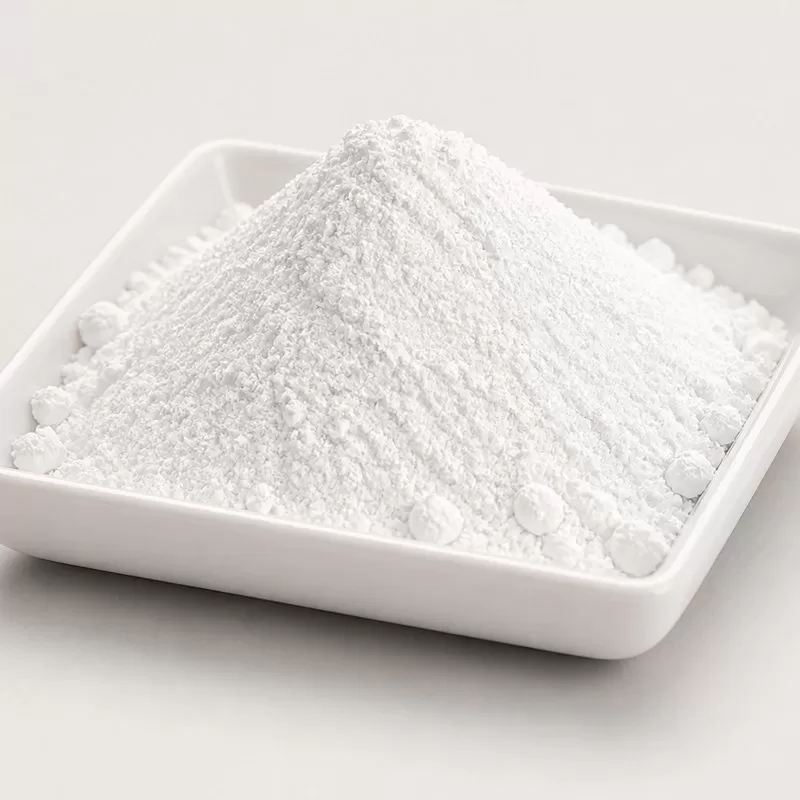
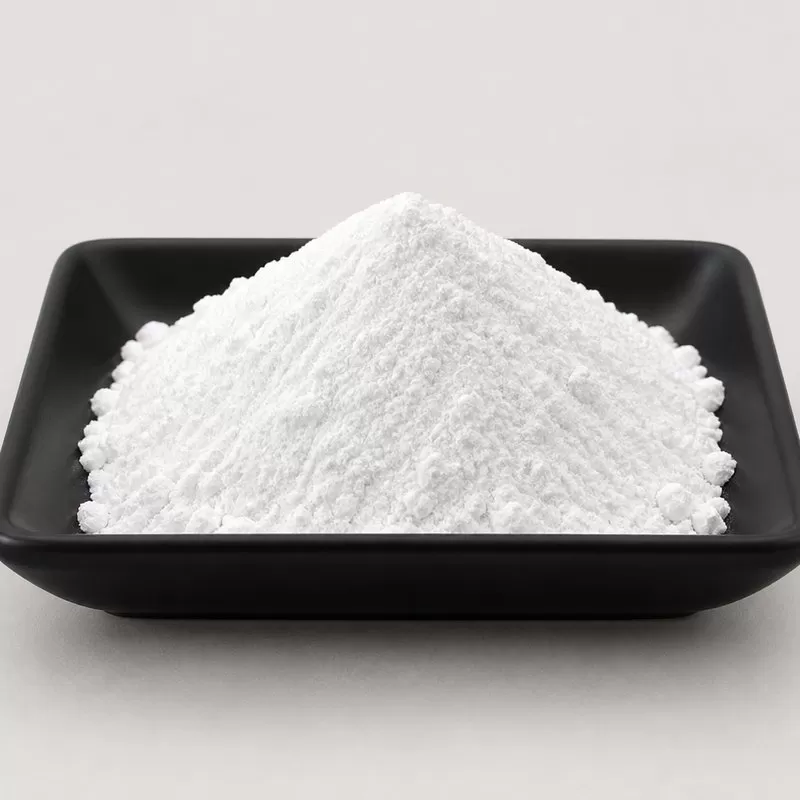
The performance of aluminum metaphosphate in industrial applications stems from its molecular structure and thermal stability. The compound is typically prepared as a white, odorless crystalline or amorphous powder that remains insoluble in water. Its stability at high temperatures is characterized by a melting point that exceeds 1,200 degrees Celsius, allowing it to withstand extreme thermal processing without premature decomposition.
In terms of chemical makeup, the high phosphorus pentoxide (P2O5) content, combined with aluminum oxide (Al2O3), gives the material its distinct glass-forming and binding characteristics. The polymeric phosphate chains within the molecular structure provide a stable network that resists acid attack and limits moisture absorption. Because the compound exhibits low thermal expansion, it helps prevent thermal shock cracking when incorporated into ceramic and glass matrices.
For manufacturers focused on high-end optics, the refractive index and low dispersion characteristics of the compound are highly valuable. The purity of the material dictates its transparency in both the ultraviolet and infrared spectrums. Xinsheng maintains precise control over transition metal impurities, such as iron and copper, ensuring that the optical properties remain consistent across different production batches.
Primary Industrial Applications
Specialized Optical Glass Manufacturing
The optical industry relies on specific raw materials to produce glasses with anomalous dispersion and high ultraviolet transmission. In fluorophosphate glass formulations, aluminum metaphosphate acts as a primary glass-forming component. Its integration allows optical engineers to design lenses with minimal chromatic aberration, which are used in high-precision camera lenses, microscopes, and laser transmission systems.
During the glass melting process, the compound helps lower the overall melting temperature of the batch while improving the chemical durability of the resulting glass. This lowering of the processing temperature reduces wear on the platinum crucibles used in optical glass manufacturing, which is a major factor in controlling production costs. The resulting glass structure exhibits high resistance to solarization, meaning it does not easily darken or degrade when exposed to intense ultraviolet radiation over time.
Refractory Materials and High-Temperature Binders
In the field of high-temperature metallurgy and industrial furnaces, materials must withstand thermal cycling and mechanical stress. The compound serves as an effective inorganic binder for high-alumina refractory bricks, castables, and monolithic ramming mixes. Unlike organic binders that burn out at elevated temperatures, this phosphate-based binder undergoes chemical transformations that strengthen the ceramic bond as the temperature rises.
When mixed with alumina-rich aggregates, the binder reacts to form a stable ceramic matrix through the generation of aluminum orthophosphate phases. This reaction occurs at intermediate temperatures, providing cohesive strength before the full sintering process takes place. The resulting refractories exhibit increased resistance to slag penetration, gas erosion, and thermal shock, extending the operational lifespan of industrial kilns and smelting furnaces.
Flame Retardants and Intumescent Coatings
The fire protection industry utilizes the chemical properties of phosphorus-based compounds to formulate high-performance coatings and polymer additives. Aluminum metaphosphate functions as a synergistic component in intumescent paint systems and flame-retardant plastics. When exposed to heat or direct flame, the compound facilitates the formation of a stable, carbonaceous char layer on the substrate.
This char layer acts as a physical barrier, limiting the transfer of heat and oxygen to the underlying material. Because the compound possesses high thermal stability, it can be processed into thermoplastics that require high extrusion temperatures without undergoing premature degradation. This makes it suitable for use in electrical components, automotive parts, and structural flame-retardant panels.
Addressing Industrial Challenges with Tailored Solutions
While the benefits of using aluminum metaphosphate are clear, industrial formulators often face specific challenges related to particle size distribution, moisture management, and chemical reactivity. Understanding these challenges allows manufacturers to implement practical solutions during the compound's integration.
Agglomeration and Storage: Fine powders are susceptible to moisture absorption over long storage periods, leading to clumping. Utilizing specialized packaging and moisture-barrier linings helps maintain the free-flowing characteristics of the powder.
Viscosity Control in Binders: When used as a binder in liquid suspensions, the compound can affect the rheological properties of the slurry. Adjusting the pH and utilizing compatible deflocculants prevents premature gelling and ensures consistent application viscosity.
Purity Requirements for Glass: Even trace amounts of iron or cobalt can discolor optical glass. Sourcing materials from suppliers like Xinsheng, who utilize advanced purification processes, ensures that transition metal levels remain within the acceptable parts-per-million range.
By addressing these variables during the initial formulation phase, production facilities can minimize batch rejects and improve overall manufacturing yield.
Selecting the Correct Specifications for Production
Choosing the appropriate grade of aluminum metaphosphate depends entirely on the end-use application. Different industries require variations in particle size, chemical purity, and physical form. The table below outlines the typical specifications aligned with major industrial applications:
| Application Area | Key Performance Parameter | Typical Particle Size (D50) | Required Purity (P2O5 + Al2O3) |
|---|---|---|---|
| Optical Glass | Minimal transition metal content | 10 to 45 microns | > 99.5% |
| Refractory Binders | High reactivity with alumina | Under 10 microns | > 98.0% |
| Flame Retardants | Thermal stability in polymers | 2 to 5 microns | > 99.0% |
In addition to these standard parameters, the dispersion of the powder within the host matrix must be considered. For polymer applications, a finer particle size ensures uniform distribution, which prevents localized structural weaknesses in the finished plastic part. Conversely, refractory applications might tolerate a broader particle size distribution to optimize packing density.
Operational Integration and Process Control
Successful integration of the compound into manufacturing lines requires careful control of mixing and heating cycles. In glass melt facilities, the powder must be thoroughly blended with other raw materials, such as barium carbonate or aluminum fluoride, to ensure a homogeneous melt. Inadequate mixing can lead to localized variations in the refractive index, rendering the optical glass unusable.
In refractory manufacturing, the hydration behavior of the binder system must be monitored. Because temperature and humidity influence the setting time of phosphate binders, mixing areas should maintain controlled environmental conditions. Proper curing at intermediate temperatures ensures that the chemically combined water is slowly driven off, preventing explosive spalling during the initial high-temperature firing phase.
Conclusion and Inquiry Guidance
Aluminum metaphosphate continues to be a vital constituent in the advancement of high-temperature ceramics, specialty optical devices, and fire protection technologies. Its thermal resilience, low thermal expansion, and excellent optical properties make it an indispensable choice for demanding B2B industrial formulations. Selecting a reliable manufacturer capable of delivering consistent purity and particle sizes is a fundamental step in achieving predictable production outcomes.
If your organization requires detailed specification sheets, customized particle size distributions, or pricing for high-purity industrial grades, please contact our technical sales team. Xinsheng provides comprehensive product documentation and samples to assist in your formulation development and quality assurance processes. Reach out today to submit an inquiry and discuss your specific chemical manufacturing requirements.
Frequently Asked Questions
Q1: What is the primary difference between aluminum metaphosphate and aluminum orthophosphate?
A1: The primary difference lies in their chemical structure and the ratio of phosphorus to aluminum. Aluminum metaphosphate, Al(PO3)3, has a higher phosphorus content arranged in metaphosphate chain structures, which makes it particularly effective as a glass-forming material and high-temperature binder. Aluminum orthophosphate, AlPO4, has a quartz-like crystal structure and is often used as a catalyst support or in specific ceramic applications where the metaphosphate structure is not required.
Q2: Is aluminum metaphosphate water-soluble?
A2: No, high-purity aluminum metaphosphate is practically insoluble in water. This insolubility is highly beneficial in refractory and coating applications, as it prevents the binder or additive from leaching out when exposed to atmospheric moisture or high-humidity environments.
Q3: How does the compound contribute to the flame retardancy of polymers?
A3: During thermal degradation, the compound releases phosphoric acid species that react with the polymer matrix to form a solid, non-flammable char layer. This intumescent mechanism insulates the underlying polymer from the heat source and cuts off the supply of oxygen, effectively slowing down or extinguishing the flame without releasing highly toxic halogenated gases.
Q4: Why is transition metal content so strictly controlled in optical grades?
A4: Transition metals, particularly iron, copper, and nickel, absorb light in the visible, ultraviolet, and near-infrared wavelengths. Even minor contamination in the parts-per-million range can cause unwanted coloration and reduce light transmission efficiency in high-precision optical lenses and optical fibers.
Q5: What are the recommended storage conditions for this material?
A5: The powder should be stored in its original, unopened packaging in a cool, dry, well-ventilated warehouse. It must be kept away from direct moisture, strong acids, and alkalis. Proper pallet storage and sealing after partial use are recommended to prevent agglomeration caused by ambient humidity.