
In the field of industrial chemical manufacturing, selecting high-performance binding agents is a fundamental step in ensuring structural integrity at elevated temperatures. Monoaluminium phosphate, alongside other variations of aluminium-based phosphates, serves as a primary binder across several demanding sectors, including refractory materials, specialty ceramics, and catalyst formulation. For procurement managers and chemical engineers, maintaining a consistent supply chain requires a deep understanding of the variables that dictate the aluminium phosphate price. Rather than viewing this cost as a static figure, industry professionals recognize it as a dynamic metric influenced by raw chemical inputs, energy expenditures, and international logistics.
As a global manufacturer of chemical binders, Xinsheng monitors these market movements to provide industrial buyers with reliable material options. This analysis examines the chemical properties of aluminium phosphate, its major industrial applications, and the structural cost drivers that influence global pricing models, helping procurement teams make informed purchasing decisions.

Chemical Composition and Grade Variations
To understand how the aluminium phosphate price is established, one must first analyze the physical and chemical variations of the compound. Aluminium phosphate exists in several distinct formulations, primarily categorized by the ratio of phosphorus to aluminium and the physical state of the delivery medium. The two most common commercial formats are liquid monoaluminium phosphate and powder aluminium phosphate, each requiring different processing stages and raw material concentrations.
Liquid formulations typically consist of a concentrated aqueous solution of monoaluminium phosphate, often with a phosphorus-to-aluminium ratio adjusted to achieve specific binding characteristics. The synthesis involves reacting high-purity phosphoric acid with aluminium hydroxide under controlled thermal conditions. Because liquid variants contain a significant percentage of water, their base pricing is heavily linked to packaging types, such as intermediate bulk containers (IBC drums), and localized transportation costs. Storage temperature management also plays a role, as crystallization can occur under cold conditions, requiring specialized transport or stabilization additives that alter the overall production cost.
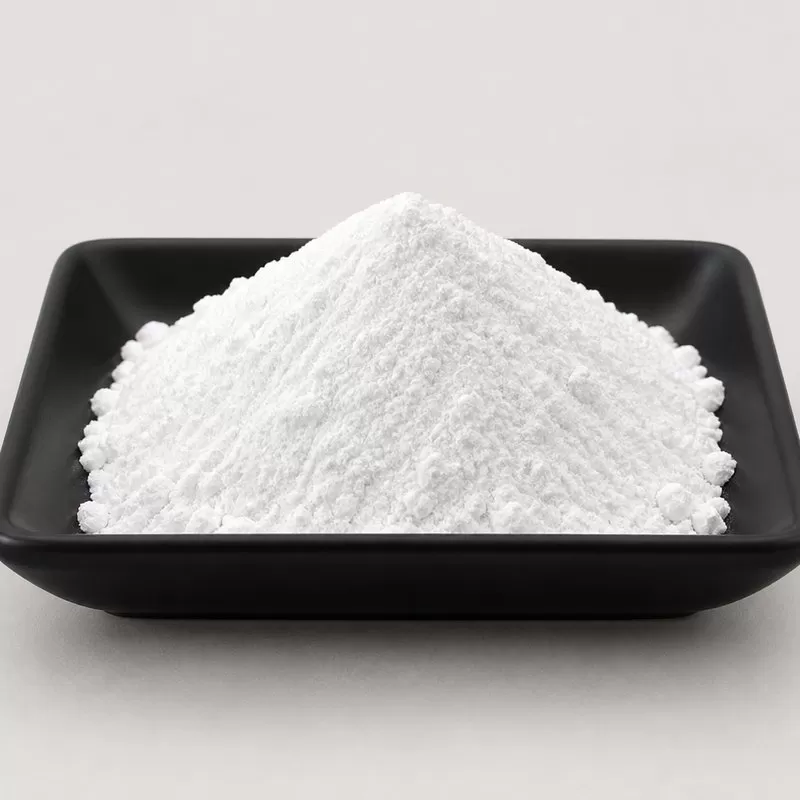
Powdered variations require an additional dehydration and dehydration-polymerization process. Transforming the liquid solution into a stable, dry powder requires spray-drying or thermal dehydration equipment, which consumes considerable electrical and thermal energy. This processing step increases the manufacturing cost per metric ton. However, the dry powder form offers advantages in shelf-life stability and lower shipping costs over long distances, offsetting the higher initial purchase cost. Buyers must weigh the initial processing costs of powder against the logistics fees associated with shipping liquid weight.
Furthermore, the classification of grades plays a major role in pricing. Industrial-grade solutions used in standard refractory monolithics carry a different price structure compared to high-purity grades utilized in electrical insulation or catalyst carrier synthesis. High-purity grades require refined raw materials with minimal trace iron, sodium, and heavy metal content, which adds steps to the purification phase and increases the price.
Primary Industrial Applications and Their Market Demand
Demand from downstream industries is a primary driver of the aluminium phosphate price. By examining where this material is consumed, buyers can anticipate seasonal and cyclical shifts in market availability.
Refractory Binders and High-Temperature Materials
The refractory industry remains the largest consumer of aluminium phosphate binders. In the production of monolithic refractories, ramming mixes, plastics, and castables, monoaluminium phosphate acts as an acidic chemical binder. When heated, it undergoes a polymerization process, forming a strong ceramic bond that resists thermal shock, slag erosion, and mechanical wear at temperatures exceeding 1500 degrees Celsius. When global steel production, cement manufacturing, or glass furnace construction experiences growth, the demand for refractory materials rises. This puts upward pressure on the chemical raw materials utilized in their formulation, affecting market pricing.
Specialty Ceramics and Electrical Insulation
In electrical engineering, aluminium phosphate is valued for its dielectric properties and high-temperature insulation capabilities. It is formulated into coatings for silicon steel sheets used in electrical transformers and motors. These applications demand high chemical purity and precise viscosity control in liquid binders. As the global demand for energy distribution infrastructure and electric motors continues to expand, this sector represents a steady, high-specification segment of the market that commands premium pricing due to strict quality control parameters.
Catalyst Synthesis and Petrochemical Processing
Within the petrochemical industry, synthetic aluminophosphate (ALPO) molecular sieves are utilized as catalysts and catalyst supports. The synthesis of these materials requires precise stoichiometric ratios of phosphorus and aluminium, along with organic templates. Variations in the global output of refined petroleum products and chemical intermediates influence the demand for fresh catalyst charges, thereby impacting the consumption rates of high-grade aluminium phosphate reactants.
Key Factors Influencing the Aluminium Phosphate Price
The global market price for this chemical compound is not isolated; it is built upon a foundation of commodity chemical inputs, manufacturing energy, and international trade policies. Sourcing professionals must monitor these core cost components to predict price shifts.
The following factors directly influence the final cost of production:
Raw Material Input Costs: The synthesis of aluminium phosphate relies primarily on wet-process phosphoric acid (or thermal phosphoric acid) and alumina trihydrate (aluminium hydroxide). Phosphoric acid costs are tied to the mining of phosphate rock and the availability of sulfur, while alumina trihydrate costs depend on bauxite mining and alumina refining. Any supply disruption in these foundational minerals immediately affects the pricing of the synthesized phosphate.
Energy and Processing Costs: Synthesizing, concentrating, and spray-drying phosphate compounds are energy-intensive processes. Factories require natural gas or electricity to maintain reaction temperatures and operate spray dryers. Consequently, changes in global industrial energy tariffs directly impact the conversion cost of these chemicals.
Regulatory Compliance and Waste Management: Environmental regulations governing chemical manufacturing facilities, particularly regarding wastewater treatment and phosphate discharge, require ongoing capital investment. Compliance with local environmental standards ensures long-term operational viability but adds to the fixed overhead of manufacturing facilities.
Packaging and Logistics: Due to the acidic nature of monoaluminium phosphate liquids, specialized plastic-lined steel drums or polyethylene IBCs are required for transport. The price of these polymer-based packaging materials, alongside ocean freight rates and fuel surcharges, constitutes a variable but significant portion of the delivered cost.
To illustrate how these components interact, we can examine the relationship between the raw material inputs and the final processed product. Alumina trihydrate prices are relatively stable, but phosphoric acid prices can fluctuate due to agricultural fertilizer demand, as fertilizer production competes for the same phosphate rock resources. During peak agricultural planting seasons, raw phosphate diversion can lead to tight supply conditions for industrial-grade phosphoric acid, raising the baseline aluminium phosphate price.
Upstream Supply Chain Dynamics
The geographical distribution of raw material extraction and chemical processing plants creates distinct regional pricing dynamics. A significant portion of the world's phosphate rock reserves is concentrated in specific regions, such as North Africa, China, and North America. Similarly, alumina refining is concentrated near major bauxite deposits or industrial smelting hubs.
When trade policies, export quotas, or tariffs are enacted by major producing nations, the global flow of these raw materials can be restricted. For example, export restrictions on phosphate-bearing chemicals to prioritize domestic agricultural needs can cause sudden price changes in international markets. B2B buyers must partner with manufacturers who maintain diversified raw material sourcing networks to mitigate regional supply disruptions.
At Xinsheng, we manage these supply chain challenges by maintaining close relationships with upstream chemical suppliers and optimizing our internal production workflows. By securing long-term supply agreements for high-grade phosphoric acid and alumina trihydrate, we aim to offer stable pricing structures to our global partners, minimizing the impact of short-term commodity spikes.
Evaluating Manufacturer Quality and Total Cost of Ownership
When sourcing chemical binders, focusing solely on the nominal aluminium phosphate price per metric ton can lead to unforeseen operational challenges. Buyers should evaluate the total cost of ownership, which includes product stability, shelf life, batch-to-batch consistency, and technical support.
Low-priced alternatives may contain higher levels of impurities, such as free phosphoric acid or unreacted aluminium hydroxide. In refractory castable formulations, excess free phosphoric acid can accelerate the setting time prematurely, making the material difficult to place or dry. Conversely, unreacted alumina trihydrate reduces the high-temperature binding strength, potentially leading to premature failure of the refractory lining in a steel ladle or glass kiln. The financial loss associated with a single production stoppage or refractory failure far outweighs any minor savings achieved through purchasing low-specification chemical binders.
A reliable supplier provides comprehensive analytical documentation,
including:
• Precise P2O5 and Al2O3 percentage ratios.
• Viscosity
profiles for liquid grades under varying temperatures.
• Particle size
distribution metrics for dry powder formulations.
• Detailed impurity
analyses, specifically monitoring iron and heavy metal content.
By securing materials that meet strict quality control parameters, industrial plants reduce formulation adjustments, stabilize manufacturing run times, and maintain the structural integrity of their final products.
Frequently Asked Questions
Q1: How does the ratio of phosphorus to aluminium affect the performance and price of the binder?
A1: The stoichiometric ratio of phosphorus to aluminium determines the chemical reactivity, setting speed, and thermal stability of the binder. Formulations with higher phosphorus content generally offer faster bonding reactions but may increase the acidity of the mixture. Achieving precise chemical balances requires refined manufacturing control, which influences the production cost and final market price.
Q2: Why is there a price difference between liquid and powder aluminium phosphate?
A2: Powdered aluminium phosphate requires an additional thermal dehydration and spray-drying step during manufacturing. This step consumes significant energy and requires specialized machinery, making the initial production cost higher than that of liquid monoaluminium phosphate. However, the powder form is lighter to ship and has a longer shelf life, which can lower overall logistics costs.
Q3: How do seasonal fertilizer manufacturing trends affect chemical binder pricing?
A3: Industrial phosphate binders share the same upstream raw material—phosphate rock—with agricultural fertilizers. During peak global fertilizer production seasons, the high demand for phosphoric acid can lead to tight supply and rising raw material costs, which can impact the pricing of industrial-grade phosphate binders.
Q4: What is the standard shelf life of liquid monoaluminium phosphate, and how does storage affect value?
A4: Liquid monoaluminium phosphate typically has a shelf life of six to twelve months, provided it is stored in sealed, corrosion-resistant containers at moderate temperatures. Exposure to freezing temperatures can cause crystallization, while excessive heat can lead to polymerization or dehydration. Proper storage preserves the binder's utility, preventing material waste and protecting your investment.
Q5: What packaging options are standard for international shipments of these binders?
A5: Liquid formulations are commonly transported in 300 kg plastic drums or 1000 L to 1500 L IBC totes to prevent acidic corrosion. Powder versions are packed in moisture-proof multi-layer paper bags or woven bulk bags, typically weighing 25 kg or 1000 kg. Custom packaging arrangements can be discussed based on handling equipment and storage facilities.
Procurement Support and Industry Inquiries
Understanding the variables behind the aluminium phosphate price is key to managing a stable industrial supply chain. Xinsheng provides high-performance chemical binders tailored to the specifications of the refractory, ceramic, and petrochemical sectors. Our manufacturing processes focus on batch-to-batch consistency and strict quality control, helping our partners maintain stable production schedules.
To discuss your formulation requirements, request detailed product specifications, or obtain a current price quote for your specific location, please contact our technical sales team. We are ready to assist with your industrial sourcing needs.