
Corrosion mitigation remains a major concern in heavy industries, marine engineering, and infrastructure development. Among the various chemical compounds developed to protect metallic substrates, zinc phosphate has established itself as a primary active ingredient in protective coatings. By identifying this compound through its unique registry, zinc phosphate cas no 7779-90-0, formulation chemists and procurement managers can ensure they are sourcing the precise chemical structure required for high-performance industrial primers.
Xinsheng manufactures high-purity inorganic pigments, specializing in the production of corrosion inhibitors that meet rigorous international standards. This article examines the physical-chemical properties, inhibition mechanisms, application sectors, and formulation considerations associated with zinc phosphate cas no 7779-90-0.
The Chemical Composition and Physical Profile
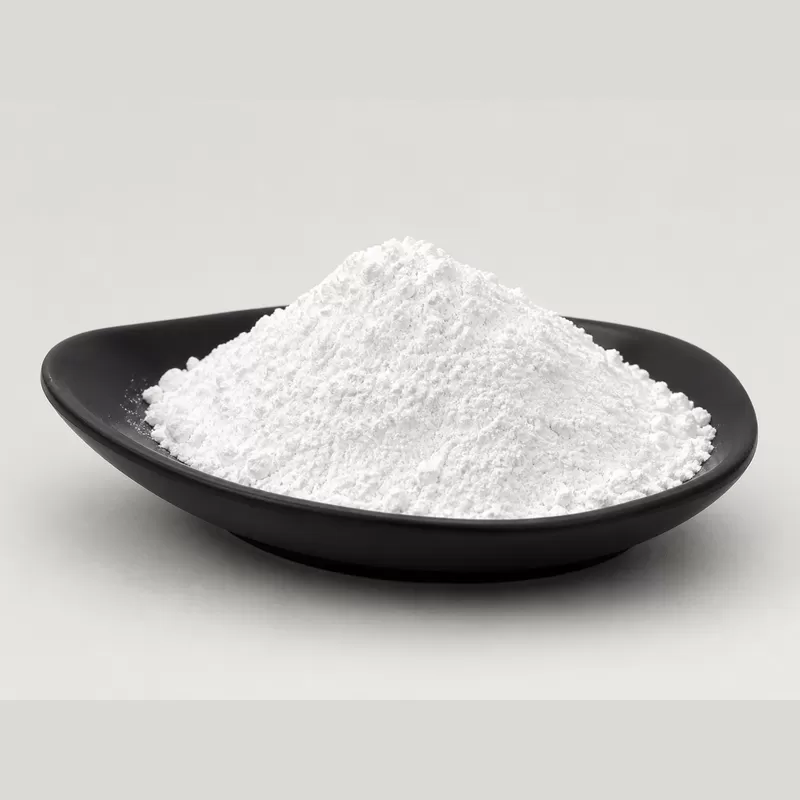
Zinc phosphate is an inorganic chemical compound with the chemical formula Zn3(PO4)2. In industrial manufacturing, it commonly exists in hydrated forms, typically as a dihydrate or tetrahydrate. Registering a compound under zinc phosphate cas no 7779-90-0 guarantees that the material complies with the standard anhydrous or specific hydrated crystal structures utilized in commercial paint and coating formulations.
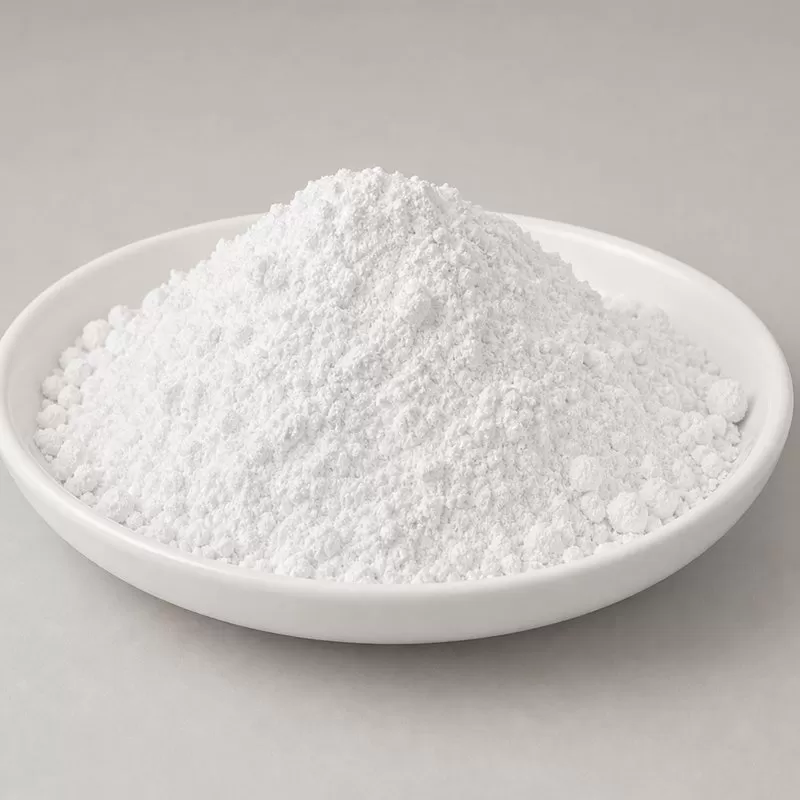
Examining the physical characteristics, the material appears as a white, odorless, non-abrasive crystalline powder. It features a low solubility in water, which is a pivotal property for its role as a reservoir for anticorrosive ions within a paint film. If the pigment dissolved too rapidly, it would wash out of the coating during early exposure to moisture, leading to premature osmotic blistering. Conversely, its slight, controlled solubility allows for the steady release of phosphate ions over extended exposure periods, maintaining a passive layer at the metal-primer interface.
From an industrial perspective, the manufacturing process at Xinsheng involves the controlled precipitation of zinc oxide and phosphoric acid. This chemical synthesis is monitored to achieve specific particle size distributions, oil absorption values, and pH levels, which directly influence the final paint dispersibility and rheological stability.
Electrochemical Passivation Mechanism
The primary reason for selecting zinc phosphate cas no 7779-90-0 over alternative inert fillers is its active electrochemical behavior on steel, galvanized iron, and aluminum substrates. When moisture penetrates a coating film, it initiates the dissolution of the pigment, releasing zinc cations (Zn2+) and orthophosphate anions (PO43-).
These ions migrate toward the metallic substrate, where they react with the dissolving iron species to initiate passivation:
Anodic Protection: The orthophosphate ions react with ferrous ions (Fe2+) generated at the anodic areas of the corrosion cell. This reaction forms an insoluble, dense crystalline layer of iron-zinc phosphate, commonly referred to as phosphophyllite (Zn2Fe(PO4)2·4H2O). This layer acts as a physical barrier that prevents further anodic dissolution.
Cathodic Protection: Concurrently, the zinc cations react with hydroxyl ions (OH-) generated at the cathodic sites of the corrosion cell due to oxygen reduction. This reaction forms zinc hydroxide (Zn(OH)2) precipitates, which block the cathodic active sites and restrict the flow of the corrosion current.
This dual anodic-cathodic protective action minimizes underfilm corrosion and prevents the spread of rust from areas where the paint film has been physically damaged or scratched.
The Environmental Shift Away from Chromate-Based Pigments
Historically, the industrial coating market relied heavily on zinc chromate and strontium chromate as active corrosion inhibitors. While these compounds provided high protection, their hexavalent chromium content posed severe environmental and occupational health challenges. Global regulatory frameworks, including REACH in Europe and similar initiatives worldwide, have severely restricted or banned chromate-based pigments in civil construction and general industrial coatings.
In this regulatory environment, zinc phosphate cas no 7779-90-0 has emerged as a widely accepted non-toxic alternative. It provides a balanced combination of environmental compatibility, non-hazardous handling, and reliable corrosion protection. By formulating with Xinsheng zinc phosphate, paint manufacturers can produce environmentally compliant primers that still meet the salt spray exposure requirements defined by industrial standards like ISO 12944.
Key Application Sectors and Formulation Requirements
The versatility of zinc phosphate cas no 7779-90-0 allows its integration into a wide variety of binder systems. Its neutral white color prevents paint discoloration, making it suitable for both primers and mid-coats, regardless of the final aesthetic topcoat requirements.
Protective Coatings for Industrial Steel
In heavy industrial environments, such as petrochemical plants, bridges, and offshore platforms, steel structures require robust protection against atmospheric humidity and chemical exposure. Zinc phosphate is commonly formulated into epoxy primers, alkyd maintenance paints, and polyurethane coatings. These multi-coat systems rely on the zinc phosphate primer to establish strong adhesion to blast-cleaned steel (Sa 2.5) while preventing filiform corrosion.
Automotive and OEM Primers
In the automotive sector, metal pretreatment is a key step before electrodeposition painting. Zinc phosphate serves both as a conversion coating component in pre-treatment baths and as an active pigment in the electrocoat (E-coat) primers. The presence of the compound enhances the adhesion of subsequent paint layers and provides backup corrosion protection if the outer clearcoats are compromised.
Coil Coatings
Pre-painted metal sheets used in architectural cladding and roofing demand coatings that can withstand severe mechanical deformation during forming processes. Zinc phosphate pigments used in coil primers must have extremely fine particle sizes to prevent micro-cracking during bending operations. Xinsheng controls the milling and particle size distribution of its pigment grades to ensure they integrate into thin-film coil primers without reducing flexibility.
Quality Parameters and Standard Compliance
To ensure consistent performance in protective paints, zinc phosphate cas no 7779-90-0 must comply with standardized specifications, such as ASTM D6280 (Standard Specification for Zinc Phosphate Pigment). This standard classifies the pigment based on chemical purity, moisture content, and particle characteristics.
When evaluating the material for high-performance applications, formulation engineers focus on several parameters:
Zinc Content: Expressed as zinc oxide (ZnO), a high percentage (typically 60-65%) ensures sufficient reactive zinc ions are available for passivation.
Phosphate Content: Expressed as phosphorus pentoxide (P2O5), this should range between 35% and 40% to guarantee the stoichiometric balance required for phosphophyllite formation.
Oil Absorption: Typically ranging from 15 to 30 g/100g, this value dictates the amount of resin binder needed to wet the pigment surface, directly affecting the pigment volume concentration (PVC) of the paint.
Particle Size Distribution: Finer particles (with a median size of D50 below 5 microns) improve dispersion, prevent settling during storage, and allow for thinner primer applications without compromising film integrity.
Xinsheng maintains strict batch-to-batch monitoring of these parameters, utilizing laser diffraction particle size analyzers and wet chemical analysis to verify compliance with international supply chain standards.
Resolving Common Formulation Bottlenecks
While zinc phosphate cas no 7779-90-0 is highly effective, paint formulators must address certain physical-chemical behaviors to ensure paint stability during storage and application.
One common challenge is the dispersion of the pigment in waterborne resin systems. Waterborne acrylics and epoxies are sensitive to pH shifts and the presence of multivalent metal ions. If the zinc phosphate pigment contains soluble impurities, it can cause premature gelation or viscosity drift in the liquid paint. To prevent this, paint formulators utilize specialized wetting and dispersing additives, and select highly purified zinc phosphate grades that exhibit minimal soluble salt fractions.
Another factor is the pigment volume concentration (PVC) to critical pigment volume concentration (CPVC) ratio. To optimize the active protective mechanism of zinc phosphate, it is typically formulated at a PVC below the CPVC (usually around 35% to 45% in industrial primers). This ensures that the pigment particles are fully encapsulated by the resin matrix, preventing water permeation while maintaining the pathway for ionic diffusion when moisture does penetrate the film.
Frequently Asked Questions
Q1: What is the specific chemical structure identified by zinc phosphate cas no 7779-90-0?
A1: This CAS registry number identifies anhydrous zinc orthophosphate, Zn3(PO4)2, as well as its commercial hydrated forms used in industrial manufacturing. It is a synthetic crystalline powder designed specifically for anti-corrosion applications in paint and coating formulations.
Q2: Can zinc phosphate be used in waterborne primer formulations?
A2: Yes, zinc phosphate cas no 7779-90-0 is suitable for both solvent-borne and waterborne systems, including waterborne acrylics, epoxies, and alkyd emulsions. However, formulators must select high-purity grades with low soluble salt contents to prevent chemical destabilization, viscosity changes, or paint coagulation during storage.
Q3: How does zinc phosphate compare to zinc chromate regarding safety?
A3: Unlike zinc chromate, which contains hexavalent chromium and is classified as a human carcinogen and environmental hazard, zinc phosphate is non-toxic and environmentally compliant. It is not subject to the strict regulatory bans that apply to chromates, making it a standard choice for modern sustainable paint formulations.
Q4: What is the standard loading level of zinc phosphate in an industrial primer?
A4: The typical loading level ranges from 5% to 20% by weight of the total dry paint film, depending on the severity of the expected corrosive environment. It is often formulated alongside secondary synergetic pigments, such as talc, mica, or barites, to balance barrier protection and active passivation.
Q5: Does zinc phosphate work on non-ferrous metals like aluminum and galvanized steel?
A5: Yes, zinc phosphate cas no 7779-90-0 provides adhesion and corrosion prevention on non-ferrous substrates. It reacts with the aluminum or zinc oxides on the surface to form a stable conversion layer, preventing paint peeling and moisture intrusion on these metallic surfaces.
Product Procurement and Engineering Support
Selecting the appropriate grade of zinc phosphate cas no 7779-90-0 is an important step in achieving the desired performance and stability in your industrial coating formulations. Xinsheng provides a range of high-purity zinc phosphate pigments tailored to specific formulation needs, from fine-milled powders for thin-film coil coatings to standard grades for heavy industrial primers.
Our engineering and sales team can assist you with product selection, physical specifications, and formulation guidelines. To request technical data sheets, safety data sheets, or a sample for laboratory evaluation, please submit your inquiry to our sales department.