
How to Select Epoxy Zinc Phosphate Anti-Rust Primer for Steel Structures
Steel structures used in industrial environments are often exposed to moisture, salt, oil, solvents, mechanical impact, and changing weather conditions. Without proper anti-corrosion protection, steel surfaces may corrode gradually, reducing service life and increasing maintenance costs.
Epoxy zinc phosphate anti-rust primer is widely used as a protective primer for steel structures and industrial equipment. It combines the film-forming strength of epoxy resin with the anti-corrosion function of zinc phosphate pigment, helping coating systems provide long-term protection in demanding industrial applications.
For coating manufacturers, project contractors, and industrial users, selecting a suitable epoxy zinc phosphate primer requires understanding its composition, performance characteristics, coating compatibility, and application fields.
What Is Epoxy Zinc Phosphate Anti-Rust Primer?
Epoxy zinc phosphate anti-rust primer is generally a two-component epoxy anti-rust coating. It is typically composed of epoxy resin, zinc phosphate, titanium dioxide or iron oxide red and other anti-corrosion pigments, fillers, solvents, additives, and a polyamide curing agent.
In this type of coating system, epoxy resin provides strong film formation, adhesion, chemical resistance, and mechanical strength. Zinc phosphate functions as an anti-corrosion pigment, helping improve the primer’s protective performance on steel substrates.
Compared with some traditional anti-rust pigment systems, zinc phosphate is widely used because it supports corrosion protection while meeting modern coating requirements for safer and more environmentally conscious pigment selection.
Why Zinc Phosphate Is Used in Epoxy Primers
Zinc phosphate is an important phosphate-based
anti-corrosion pigment for protective coatings. In epoxy primer systems, it helps improve the coating’s ability to protect steel surfaces from corrosion.
The protective effect of an epoxy zinc phosphate primer is not achieved by pigment alone. It depends on the complete coating formulation, including resin selection, pigment dispersion, curing agent system, coating thickness, substrate preparation, application method, and matching topcoat. However, zinc phosphate plays an important role in the anti-rust function of the primer.
For coating manufacturers, zinc phosphate is especially useful because it can be applied in industrial coating systems where both corrosion resistance and formulation stability are required.
Key Performance Features
Epoxy zinc phosphate anti-rust primer is selected for steel protection because it provides a balance of protective, mechanical, and compatibility performance.
Good Water and Saltwater Resistance
Steel structures in ports, docks, marine-related facilities, hydraulic engineering, and outdoor industrial environments are frequently exposed to moisture and salt-containing conditions. A suitable primer must help protect the steel surface from water penetration and corrosion.
Epoxy zinc phosphate primer has good resistance to water and saltwater, making it suitable for steel structures that require reliable protection under humid or corrosive conditions.
Tough Coating Film with Strong Adhesion
A primer must bond firmly to the steel surface. If adhesion is poor, the coating film may peel, crack, or fail during service.
Epoxy zinc phosphate primer forms a tough coating film with excellent adhesion. This helps the primer remain stable on steel substrates and provides a solid base for the following coating layers.
Excellent Impact Resistance
Industrial steel components may experience handling, transportation, installation, vibration, or mechanical impact during service. A brittle coating film can be damaged easily, exposing the steel substrate to corrosion.
A properly formulated epoxy zinc phosphate primer provides good impact resistance, helping the coating system maintain protection during practical industrial use.
Oil and Solvent Resistance
Many steel structures and industrial machines are used in environments where oils, fuels, lubricants, solvents, or chemical media may be present. For these applications, primer selection should consider resistance to oil and solvents.
Epoxy zinc phosphate anti-rust primer offers good oil resistance and solvent resistance, which makes it suitable for machinery, chemical equipment, and industrial steel structures where chemical exposure may occur.
Good Compatibility with Topcoats
In most industrial coating systems, the primer is not used alone. It is usually matched with intermediate coats and topcoats to form a complete protective coating system.
Epoxy zinc phosphate primer has good compatibility with epoxy, epoxy coal tar, polyurethane, and other topcoat systems. It also provides good intercoat adhesion, helping the full coating system work together as a durable protective layer.
This compatibility is important for coating projects that require multi-layer protection, such as heavy machinery coatings, port steel structures, chemical equipment coatings, and marine above-waterline coating systems.
Environmental Considerations
Modern coating systems increasingly avoid traditional harmful anti-rust pigments. Zinc phosphate is widely used as a safer anti-corrosion pigment option in many industrial coating formulations.
By using zinc phosphate and other non-hazardous anti-rust pigments, epoxy zinc phosphate primers can support a more environmentally responsible coating direction while maintaining practical corrosion protection.
For coating manufacturers and project owners, this is an important consideration when selecting anti-corrosion primer systems for industrial use.
Main Application Fields
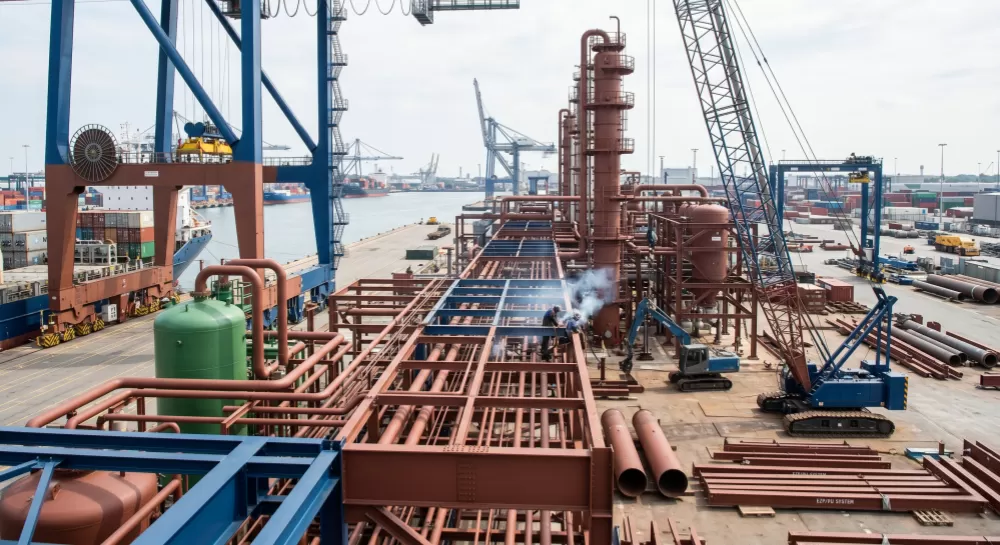
Epoxy zinc phosphate anti-rust primer is suitable for many types of steel structures and industrial equipment.
Typical application fields include:
Port facilities
Dock steel structures
Heavy machinery
Mining machinery
Grain machinery
Power machinery
Chemical equipment
Water conservancy engineering structures
General steel structures
Marine steel structures above the waterline
These application fields usually require primers with good adhesion, water resistance, corrosion resistance, durability, and compatibility with protective topcoats.
Use in Ports and Dock Facilities
Ports and docks are often exposed to moisture, salt air, mechanical wear, and outdoor weathering. Steel structures in these environments require reliable anti-corrosion coating systems.
Epoxy zinc phosphate primer can be used as a protective base coat for port and dock steel structures, helping improve resistance to water, saltwater, and atmospheric corrosion.
Use in Heavy Machinery and Mining Machinery
Heavy machinery and mining equipment often operate under harsh mechanical and environmental conditions. Coatings used on these machines must withstand impact, abrasion, oil exposure, and outdoor conditions.
Epoxy zinc phosphate primer provides strong adhesion, impact resistance, oil resistance, and corrosion protection, making it suitable for machinery coating systems.
Use in Chemical Equipment
Chemical equipment may be exposed to moisture, solvents, oils, or corrosive industrial environments. Primer selection should consider both chemical resistance and coating system compatibility.
Because epoxy zinc phosphate primer has good oil and solvent resistance and can be matched with epoxy or polyurethane topcoats, it is suitable for protective coating systems used on chemical equipment and related steel structures.
Use in Marine Above-Waterline Steel Structures
Marine environments place high demands on anti-corrosion coatings. Although underwater and splash-zone applications may require specialized coating systems, steel structures above the waterline also need protection from salt air, moisture, and weathering.
Epoxy zinc phosphate primer can be used on marine steel structures above the waterline as part of a complete anti-corrosion coating system.
Selection Considerations for Coating Projects
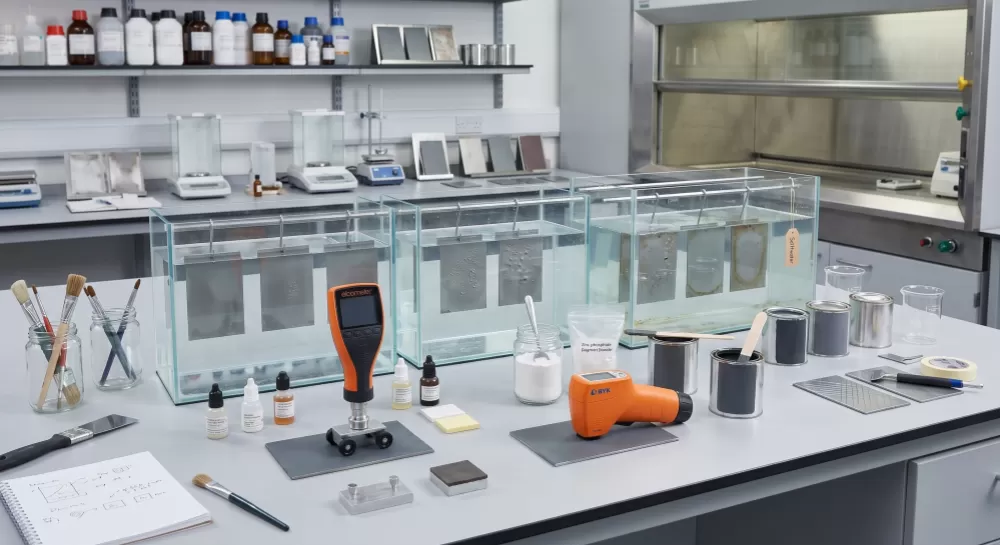
When selecting epoxy zinc phosphate anti-rust primer, buyers and coating manufacturers should consider the following factors.
Substrate Preparation
Proper steel surface preparation is essential. Even a high-quality primer cannot perform well if the steel surface contains rust, oil, dust, moisture, or loose contaminants.
Before applying epoxy zinc phosphate primer, the steel surface should be cleaned according to the project’s coating specification.
Coating System Design
The primer should be selected according to the full coating system. It should be compatible with the planned intermediate coat and topcoat. Common matching systems may include epoxy topcoats, epoxy coal tar coatings, polyurethane coatings, or other industrial protective coatings.
Service Environment
Different environments require different coating performance. A steel structure used in a port, a chemical plant, a mining site, or a machinery factory may face different corrosion risks.
The primer should be selected according to exposure conditions such as humidity, salt, chemical exposure, oil contact, impact, and outdoor weathering.
Film Thickness and Application Method
The protective performance of the primer is also influenced by dry film thickness, application method, curing conditions, and coating quality control. Spraying, brushing, or rolling may be used depending on the project requirements.
Coating manufacturers and contractors should follow the product technical data sheet and project specification during application.
Supplier and Pigment Quality
The performance of an epoxy zinc phosphate primer depends partly on the quality and stability of the zinc phosphate pigment. A reliable zinc phosphate supplier can help coating manufacturers maintain stable formulation performance and consistent coating quality.
Xinsheng Chemical provides phosphate-based anti-corrosion pigment products for industrial coating manufacturers, including zinc phosphate products used in protective coating systems.
Conclusion
Epoxy zinc phosphate anti-rust primer is an important protective coating option for steel structures, machinery, industrial equipment, port facilities, hydraulic engineering projects, chemical equipment, and marine above-waterline applications.
Its main advantages include good water and saltwater resistance, strong adhesion, impact resistance, oil and solvent resistance, compatibility with epoxy and polyurethane topcoats, good intercoat adhesion, and reliable anti-rust durability.
For coating manufacturers and industrial users, the correct selection of epoxy zinc phosphate primer should be based on the substrate, service environment, coating system design, topcoat compatibility, and quality of the anti-corrosion pigment used in the formulation.
As a specialized supplier of zinc phosphate and phosphate-based anti-corrosion pigments, Xinsheng Chemical supports coating manufacturers in developing protective coating systems for demanding industrial applications.