
Metal finishing relies heavily on proper surface preparation. In fact, technical studies show that surface pretreatment determines more than 50% of a industrial coating's overall service life. Without a proper conversion coating, even the highest quality topcoat will fail prematurely through blistering or sub-film corrosion.
When designing an industrial pretreatment line, engineers and plant managers usually choose between two main chemical conversion methods: the zinc phosphate process and the iron phosphate process. Both methods clean and passivate metal substrates, but they yield vastly different levels of corrosion protection, operational complexity, and total cost.
This article breaks down the technical differences between these two conversion coatings. We will analyze their chemical mechanisms, performance metrics, and operational costs. We will also examine how companies like Xinsheng provide the raw material foundation required for high-performance anti-corrosion coating systems.
Deep Dive: The Zinc Phosphate Process
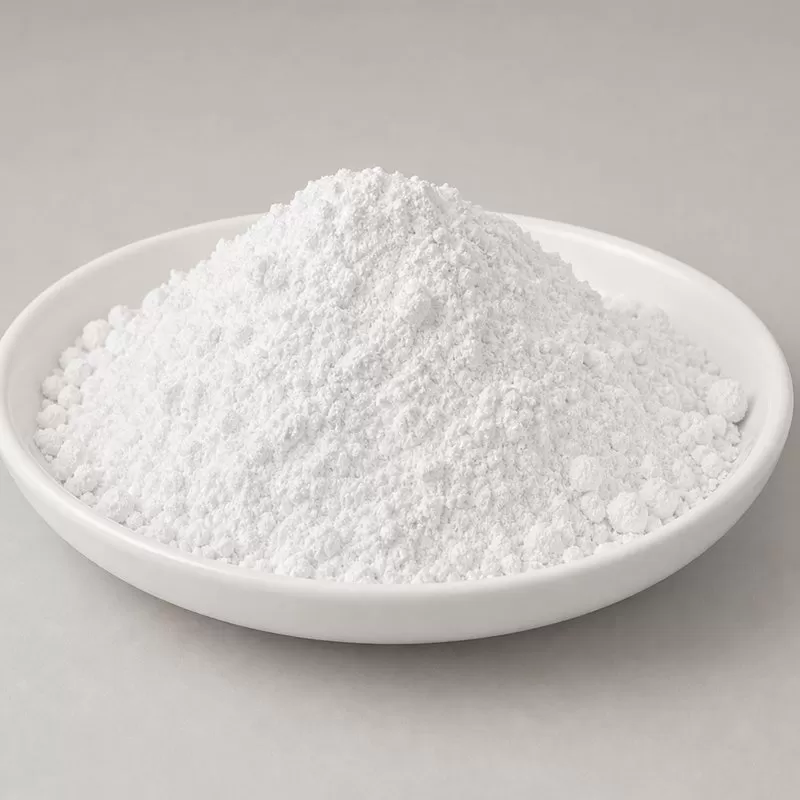
The zinc phosphate process is a chemical conversion treatment that reacts with steel, zinc, or aluminum surfaces. Unlike simple oxide films, this process deposits a distinct crystalline layer of hydrated zinc phosphate (hopeite and phosphophyllite) directly onto the metal substrate.
The chemical reaction dissolves a small amount of the base metal at the surface micro-sites. This localized acid drop causes zinc phosphate to precipitate out of the bath solution. The resulting crystals grow directly into the metal matrix, forming an insoluble inorganic barrier.
Key Advantages:
Superior Salt Spray Resistance: When paired with an appropriate primer, a proper zinc phosphate coating easily exceeds 500 to 1,000 hours in neutral salt spray testing (ASTM B117).
Strong Mechanical Interlocking: The porous, crystalline structure provides microscopic anchor points. This structure significantly increases physical adhesion for organic primers and powder coatings.
Heavy-Duty Performance: It stands up to aggressive outdoors, marine atmospheres, chemical exposure, and high-stress mechanical environments.
Process Limitations:
Complex Bath Maintenance: Operators must carefully monitor total acid, free acid, accelerator levels, temperature, and metal cations.
Sludge Generation: The precipitation reaction produces iron phosphate sludge, which requires regular removal and disposal.
Higher Capital & Energy Demand: Most conventional lines require 5 to 7 stages and operate at elevated temperatures (typically 45°C to 65°C).
Deep Dive: The Iron Phosphate Process
The iron phosphate process forms an amorphous (non-crystalline) film consisting mainly of iron oxides and iron phosphates. Rather than depositing heavy metallic ions from the bath solution, the chemistry relies on reacting directly with the iron atoms present on the steel substrate.
This treatment yields a thin, iridescent coating, varying in color from blue to gold depending on coat weight. Because the film is amorphous rather than crystalline, it offers less physical thickness and lower overall barrier density.
Key Advantages:
Lower Operational Cost: Iron phosphating requires fewer process stages (often 3 to 5 stages) and lower bath operating temperatures.
Minimal Sludge Production: The process produces far less byproduct than zinc phosphating, simplifying bath maintenance and tank cleanout.
Easy Process Control: Chemical parameters are less sensitive to minor fluctuations, making the bath easier to operate for general manufacturing.
Process Limitations:
Moderate Corrosion Defense: Iron phosphate systems typically resist 100 to 250 hours of neutral salt spray, making them unsuitable for harsh environments.
Limited Substrate Versatility: While it works well on carbon steel, performance drops significantly on galvanized steel or aluminum alloys.
Head-to-Head Comparison: Zinc Phosphate vs. Iron Phosphate
The table below highlights the direct operational and performance differences between these two industrial phosphating options.
| Performance / Operational Metric | Zinc Phosphate Process | Iron Phosphate Process |
|---|---|---|
| Corrosion Resistance (ASTM B117) | 500 to 1,000+ Hours | 100 to 250 Hours |
| Coating Structure | Crystalline (Insoluble barrier) | Amorphous (Mixed oxides) |
| Typical Process Stages | 5 to 7 Stages | 3 to 5 Stages |
| Operating Temperature | 45°C to 65°C (113°F to 149°F) | 30°C to 50°C (86°F to 122°F) |
| Sludge Formation | Moderate to High | Very Low |
| Mechanical Paint Adhesion | Exceptional (Micro-mechanical anchor) | Good (Sufficient for light duty) |
| Substrate Compatibility | Steel, Galvanized Steel, Aluminum | Primarily Carbon Steel |
| Overall Operational Cost | Higher (Energy, chemicals, maintenance) | Lower (Simplified control) |
Decision Framework: Which Pretreatment Fits Your Production?
Selecting the correct pretreatment line depends on your finished product's end-use environment, customer specification standards, and operating budget.
Choose Iron Phosphate If:
Your products remain primarily indoors or inside climate-controlled spaces (e.g., steel office furniture, indoor electrical enclosures, home appliances).
You need to minimize capital expenditure on multi-stage dip or spray washers.
Your target salt spray requirement is under 250 hours.
You want a low-maintenance bath with minimal sludge handling and lower energy consumption.
Choose the Zinc Phosphate Process If:
Your products face harsh outdoor weathering, road salts, agricultural chemicals, or marine atmospheres (e.g., automotive chassis, construction machinery, outdoor transformers).
Your customers demand strict compliance with OEM automotive or military finishing specifications.
You are applying high-durability primers (such as epoxy or liquid anti-corrosion coatings) that require maximum mechanical interlocking.
Long-term asset durability outweighs initial processing energy costs.
How Xinsheng Powers Superior Anti-Corrosion Coatings
Pretreatment is only the first layer of defense. Even the best executed zinc phosphate conversion coating requires a high-performance protective coating system applied immediately afterward. If the anti-corrosive primer lacks quality raw materials, moisture and corrosive ions will eventually penetrate the coating film and attack the conversion layer.
This is where Shijiazhuang City Xinsheng Chemical Co., Ltd. (Xinsheng) fills a vital industry need. Established as a dedicated manufacturer of functional inorganic pigments, Xinsheng supplies premium raw materials to industrial coating formulators across the globe.
Active Synergy Between Pretreatment and Primer Pigment
When chemical conversion finishes, micro-porosities remain on the substrate surface. High-grade primers formulated with Xinsheng raw materials seal these micro-voids, providing active chemical passivation alongside physical barrier protection.
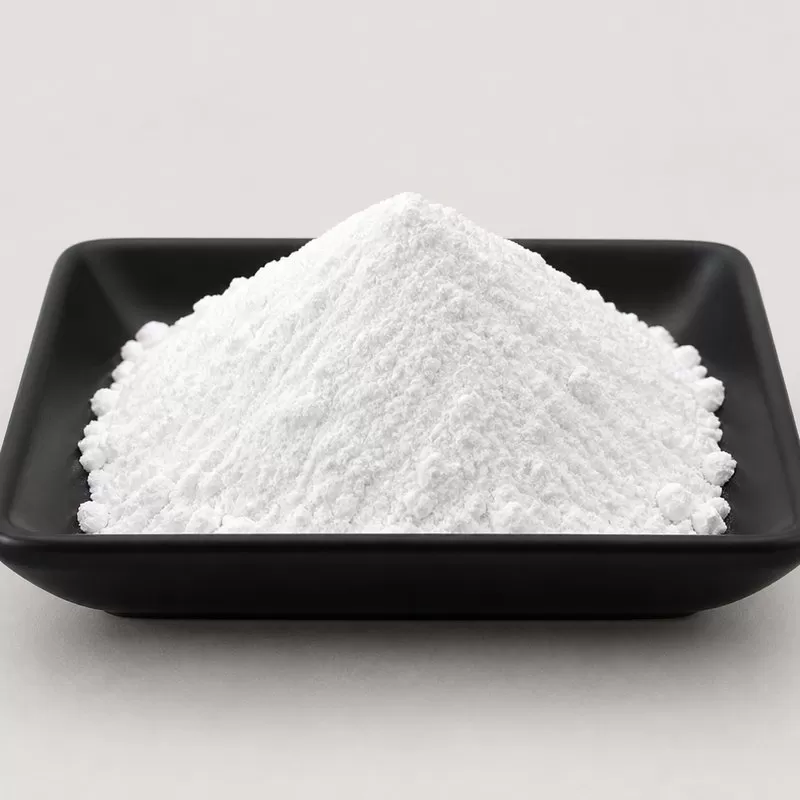
Zinc Phosphate Raw Material: Xinsheng manufactures specialized zinc phosphate compounds that serve as active non-toxic, non-heavy-metal anti-corrosive pigments in primer formulations. These pigments release phosphate ions when moisture penetrates the film, forming a passivating complex at small surface defects.
Aluminum Tripolyphosphate: For heavy-duty applications requiring elevated thermal and chemical resistance, Xinsheng provides high-purity aluminum tripolyphosphate. It works alongside pretreatment layers to neutralize acidic species and maintain film integrity.
Modified Phosphate Pigments: Xinsheng formulates custom chemical blends tailored to specific binder chemistries, including epoxy, polyurethane, alkyd, and waterborne systems.
By controlling purity, particle size distribution, and chemical reactivity, Xinsheng ensures that paint manufacturers produce primers that fully match the high performance of modern surface conversion lines.
Frequently Asked Questions (FAQ)
Q1: Can I apply an anti-corrosion primer directly onto raw steel without a phosphate process?
A1: Yes, but total coating lifespan drops significantly. Without a conversion coating or abrasive blasting, organic coatings rely entirely on direct chemical adhesion. Atmospheric moisture eventually breaks these bonds, leading to sub-film corrosion and peeling. Using a pretreatment process alongside a quality zinc phosphate primer ensures maximum durability.
Q2: Why does the zinc phosphate process generate more sludge than iron phosphating?
A2: The zinc phosphate process precipitates insoluble zinc and iron phosphate salts out of the liquid solution to build the coating crystals. Excess iron dissolved from the substrate reacts with accelerator additives, precipitating out as iron phosphate sludge. Iron phosphating reacts directly with the surface without saturating the bath with high zinc ion concentrations, resulting in less precipitate.
Q3: Is the zinc phosphate process compatible with waterborne industrial coatings?
A3: Absolutely. In fact, crystalline zinc phosphate coatings provide an ideal high-friction substrate for waterborne primers. Formulators using Xinsheng zinc phosphate pigments in waterborne systems achieve excellent inter-coat adhesion and flash-rust inhibition.
Q4: How does temperature affect zinc phosphate bath performance?
A4: Temperature drives crystal growth kinetics. If the bath drops below the recommended range (usually around 45°C to 55°C), crystal formation slows down, creating thin, spotty coatings. If the temperature runs too high, excessive sludge forms, wasting active chemicals. Maintaining steady temperatures guarantees consistent crystal size and density.
Q5: How do Xinsheng anti-corrosive pigments enhance primer performance over pretreated metal?
A5: Pretreatment creates the initial surface barrier. However, if the topcoat scratches or degrades under UV light, moisture enters the system. Xinsheng zinc phosphate pigments dissolve slowly at these failure sites, releasing passivating ions that stop rust creep. This active protection complements the conversion layer below.
Conclusion: Upgrade Your Corrosion Protection Today
Choosing between the zinc phosphate process and iron phosphating comes down to balancing performance needs against operational costs. Iron phosphating provides a cost-effective, easy-to-operate solution for light-duty, indoor equipment. However, for industrial assets facing harsh outdoor environments, heavy machinery stress, or strict OEM demands, the zinc phosphate process remains the reliable industrial standard.
Maximum corrosion protection requires a complete engineering approach: a precise conversion line paired with a top-tier anti-corrosion primer. By sourcing high-purity zinc phosphate and aluminum tripolyphosphate from Xinsheng, coating manufacturers build durable primer lines that protect metal assets for years.
Are you looking to enhance your primer formulation's anti-corrosion performance? Contact the technical team at Xinsheng today to request product samples, technical data sheets, and customized formulation support for your production line.