
In the industrial coatings and protective paint manufacturing sector, selecting the right raw materials is a process governed by performance parameters and rigorous safety standards. Zinc phosphate, chemically identified as trizinc bis(orthophosphate), has established itself as a reliable anti-corrosive pigment. It serves as a non-toxic alternative to older, chromium-based corrosion inhibitors. For procurement managers, safety officers, and formulation chemists, accessing and understanding a detailed zinc phosphate msds is a mandatory step before integrating this compound into any industrial workflow.
A safety data sheet acts as a legal and operational guide, providing specific details on chemical stability, exposure limits, protective measures, and transport regulations. As a global manufacturer of chemical pigments, Xinsheng maintains transparent safety documentation to support downstream users in maintaining regulatory compliance and ensuring safe plant operations. This analysis examines the major sections of the zinc phosphate safety documentation, offering insights into how these parameters influence both factory safety and product development.
Chemical Composition and Physical Properties
The performance of an anti-corrosive pigment is directly linked to its chemical structure and physical behavior under ambient conditions. Section 9 of the safety data sheet outlines these parameters, which are evaluated by formulation chemists to ensure compatibility with various resin systems, such as epoxies, alkyds, and polyurethanes.
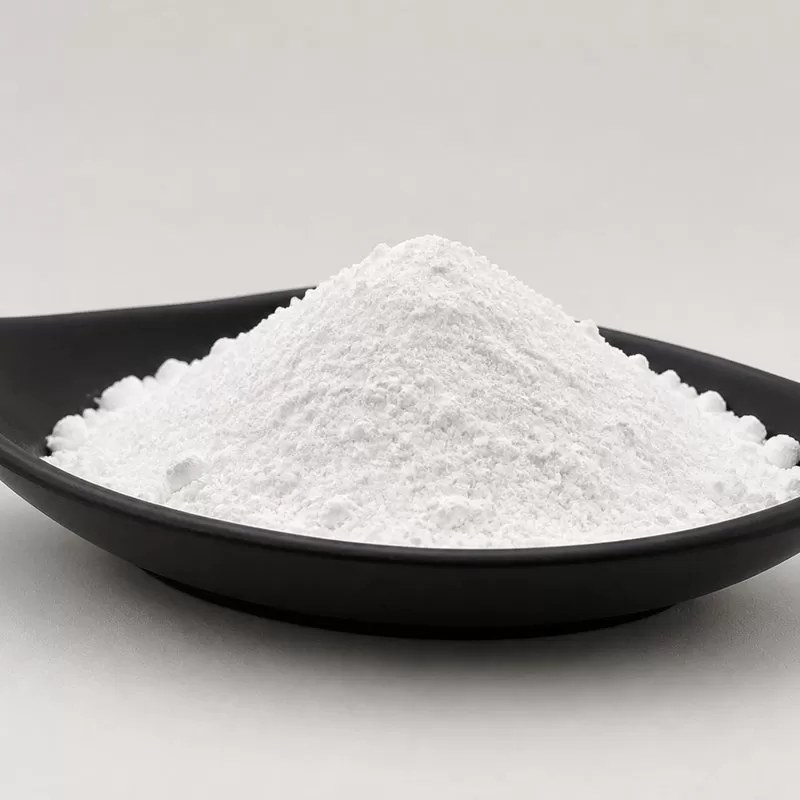
Zinc phosphate, with the chemical formula Zn3(PO4)2, is commonly supplied as a dihydrate or tetrahydrate powder. In its pure commercial state, it appears as an odorless, white crystalline powder. The compound exhibits extremely low solubility in water, a characteristic that is fundamental to its role as a barrier pigment. Rather than dissolving rapidly when exposed to moisture, the pigment undergoes slow, controlled hydrolysis, releasing phosphate ions that passivate the underlying metal substrate.
Regarding physical metrics, the specific gravity of standard zinc phosphate ranges between 3.2 and 3.8 g/cm³, depending on the hydration level and particle size distribution. The oil absorption value, another parameter typically found in product data sheets but closely related to the physical handling characteristics noted in the MSDS, dictates how much resin binder is required to wet the pigment surface. Manufacturers like Xinsheng control these physical parameters during the precipitation process to guarantee batch-to-batch consistency and reliable handling during high-shear dispersion processes.
Hazard Identification and GHS Classification
Section 2 of the zinc phosphate msds contains the Globally Harmonized System (GHS) classification, which is necessary for labeling and chemical inventory management. Unlike historical chromate pigments, zinc phosphate presents low acute toxicity to mammalian systems, making it a much safer material for workers in paint manufacturing facilities.
Despite its favorable mammalian safety profile, the compound is classified under GHS as hazardous to the aquatic environment. The standard classifications include:
Hazardous to the Aquatic Environment, Acute Hazard (Category 1): Very toxic to aquatic life.
Hazardous to the Aquatic Environment, Long-Term Hazard (Category 1): Very toxic to aquatic life with long-lasting effects.
The corresponding hazard statement is H410, which requires the environmental hazard pictogram (showing a dead tree and fish) on all commercial packaging. The precautionary statements (P-codes) emphasize the prevention of release into the environment (P273) and the safe collection of spillage (P391). Recognizing these classifications allows facility managers to design secondary containment systems and establish clear protocols for handling dry powder spills before they reach industrial wastewater streams.
Exposure Controls and Workplace Protection
Protecting personnel during the unloading, dosing, and mixing of dry chemical powders is a priority for industrial paint manufacturers. Section 8 of the zinc phosphate msds details the exposure limits and recommended engineering controls to minimize airborne dust concentrations.
Industrial hygiene standards generally regulate zinc phosphate under the category of particulates not otherwise regulated (PNOR) or inert dusts. The occupational exposure limits (OELs) typically specify a limit of 10 mg/m³ for inhalable dust and 3 mg/m³ for respirable fractions over an eight-hour time-weighted average (TWA). To maintain dust levels below these thresholds, processing plants should implement local exhaust ventilation at high-dust generation points, such as bag-dumping stations and high-speed dissolver tanks.
Where engineering controls are insufficient to fully eliminate airborne dust, operators must wear personal protective equipment (PPE). The safety documentation recommends the following protective gear:
Respiratory Protection: A certified particulate respirator (such as an N95 or P2 mask) is recommended to prevent the inhalation of fine particles during handling.
Eye Protection: Safety glasses with side shields or chemical goggles should be worn to prevent mechanical irritation from dust exposure.
Skin Protection: Standard industrial work wear, along with impervious gloves made of nitrile, neoprene, or PVC, prevents prolonged skin contact.
Hygiene Measures: Operators should wash hands and face thoroughly after handling the material and before eating or drinking.
Passivation Chemistry and Corrosion Inhibition Mechanisms
To understand why this material is widely integrated into industrial primers, it is helpful to examine the chemistry behind its anti-corrosive performance. When moisture penetrates a coating film, it initiates the slow dissolution of zinc phosphate, yielding zinc ions (Zn2+) and phosphate ions (PO43-).
These phosphate ions migrate to the anodic areas of the steel substrate, reacting with ferrous ions (Fe2+) generated by the initial oxidation process. This reaction leads to the precipitation of a highly stable, insoluble complex film consisting of zinc-iron phosphate, often referred to as a phosphating layer. This deposit passivates the metal surface, stopping the electrochemical reactions that cause rust formation.
Concurrently, the zinc ions can react with basic compounds in the coating or atmospheric carbon dioxide to form a protective barrier layer at the cathodic sites. By acting at both the anodic and cathodic regions, zinc phosphate significantly slows down under-film corrosion and prevents the spread of rust from scratches or physical damage in the paint film. This dual action is why high-quality grades from manufacturers such as Xinsheng are specified for harsh environments, including marine structures, industrial equipment, and automotive primers.
Regulatory Compliance and International Shipping
Compliance with chemical control laws is a major concern for B2B buyers engaged in international trade. The regulatory information, found in Section 15 of the zinc phosphate msds, confirms whether the substance is listed on national inventories such as TSCA (United States), REACH (European Union), DSL (Canada), and IECSC (China).
Under European REACH regulations, zinc phosphate is fully registered, meaning import volumes must comply with the tonnage band requirements and safe-use scenarios defined in the registration dossier. For transport, Section 14 of the safety datasheet classifies the material as a regulated substance due to its environmental toxicity. The international shipping parameters include:
UN Number: UN 3077
Proper Shipping Name: Environmentally Hazardous Substance, Solid, N.O.S. (contains Zinc Phosphate)
Transport Hazard Class: Class 9 (Miscellaneous Dangerous Goods)
Packing Group: Packaging Group III (low danger)
These classifications require specific labeling, marked packaging, and proper shipping declarations for maritime (IMDG) and road (ADR) transport. Working with an experienced manufacturer like Xinsheng ensures that all transport documentation is prepared correctly, reducing the likelihood of customs delays or port rejections during international delivery.
Storage and Material Stability
Maintaining the chemical stability and physical quality of zinc phosphate during storage is straightforward but requires adherence to the guidelines outlined in Section 7 of the safety datasheet.
The compound is chemically stable under normal ambient temperatures and pressure conditions. It does not undergo hazardous polymerization and is not sensitive to mechanical impact. It must be kept away from incompatible materials, particularly strong acids, which can dissolve the phosphate and release phosphoric acid, as well as strong bases.
To prevent caking and preserve the free-flowing characteristics of the powder, bags should be stored in a cool, dry, well-ventilated warehouse. Pallets should remain shrink-wrapped until use to protect the material from atmospheric moisture. Following these storage practices ensures that the pigment disperses easily during paint manufacturing, maintaining the expected viscosity and consistency of the final coating product.
Sourcing High-Quality Zinc Phosphate with Complete Documentation
For B2B chemical buyers, purchasing raw materials involves more than evaluating pricing; it requires establishing a relationship with a supplier that provides consistent product quality alongside professional regulatory support. A complete, accurate zinc phosphate msds is a key part of this package, allowing safety officers to complete internal assessments and update local workplace safety files.
Xinsheng is committed to delivering high-purity zinc phosphate grades that meet strict industrial standards. Every shipment is accompanied by detailed chemical analyses and updated safety datasheets, ensuring your production processes remain compliant, safe, and efficient. By choosing a transparent manufacturing partner, your business can confidently formulate high-performance coatings that meet both environmental standards and customer performance expectations.
Frequently Asked Questions
Q1: What is the main GHS hazard classification listed on a zinc phosphate msds?
A1: Under the Globally Harmonized System (GHS), zinc phosphate is primarily classified as hazardous to the aquatic environment, presenting both Acute Category 1 and Chronic Category 1 hazards. It carries the hazard statement H410 (Very toxic to aquatic life with long-lasting effects) and requires the environmental hazard pictogram on its label. It is not classified as a human carcinogen or acute systemic toxin.
Q2: Is a respirator necessary when handling zinc phosphate powder?
A2: Yes, when handling dry zinc phosphate powder in areas without sufficient local dust extraction, operators should wear a particulate filter respirator (such as an N95 or P2 mask) to prevent inhalation of fine dust, which can cause mild respiratory irritation.
Q3: How should zinc phosphate be classified for maritime transport?
A3: For ocean freight, zinc phosphate is classified under UN 3077 as an Environmentally Hazardous Substance, Solid, N.O.S. It belongs to Hazard Class 9 and Packing Group III. This classification requires the use of approved packaging and proper dangerous goods declarations.
Q4: Can zinc phosphate be safely stored alongside acids?
A4: Zinc phosphate should not be stored in direct contact with strong acids. Contact with acidic substances can cause the compound to decompose, leading to the dissolution of the pigment and potential chemical interactions that compromise material stability.
Q5: Does the zinc phosphate manufactured by Xinsheng comply with European REACH regulations?
A5: Yes, the zinc phosphate supplied by Xinsheng is manufactured in compliance with international standards, and corresponding safety documentation is provided to support REACH compliance and other regional chemical inventory requirements.
Submit an Inquiry for Procurement and Technical Support
If you require detailed technical specifications, customized particle size distributions, or an updated copy of our zinc phosphate safety documentation, please contact our technical sales department. Our team is prepared to provide comprehensive material information, discuss container logistics, and offer competitive commercial quotes for your manufacturing requirements. Please submit your specifications and volume requirements through our inquiry portal to receive a detailed response from our technical team.