
High-temperature manufacturing requires raw materials that maintain structural integrity, chemical stability, and predictable performance under extreme conditions. Among the advanced inorganic compounds utilized across these demanding sectors, aluminum metaphosphate stands out as a versatile constituent. With the chemical formula Al(PO3)3, this compound is highly valued in the production of specialty optical glasses, high-performance refractories, and modern flame-retardant systems. Its unique chemical structure, characterized by repeating metaphosphate chains, provides thermal and physical properties that traditional orthophosphates cannot match.
As a specialized manufacturer of inorganic phosphorus compounds, Xinsheng supplies high-purity aluminum metaphosphate designed to meet the rigorous specifications of global industrial producers. Understanding the operational chemistry, application dynamics, and processing characteristics of this material allows procurement and engineering teams to make informed decisions for their product formulations.
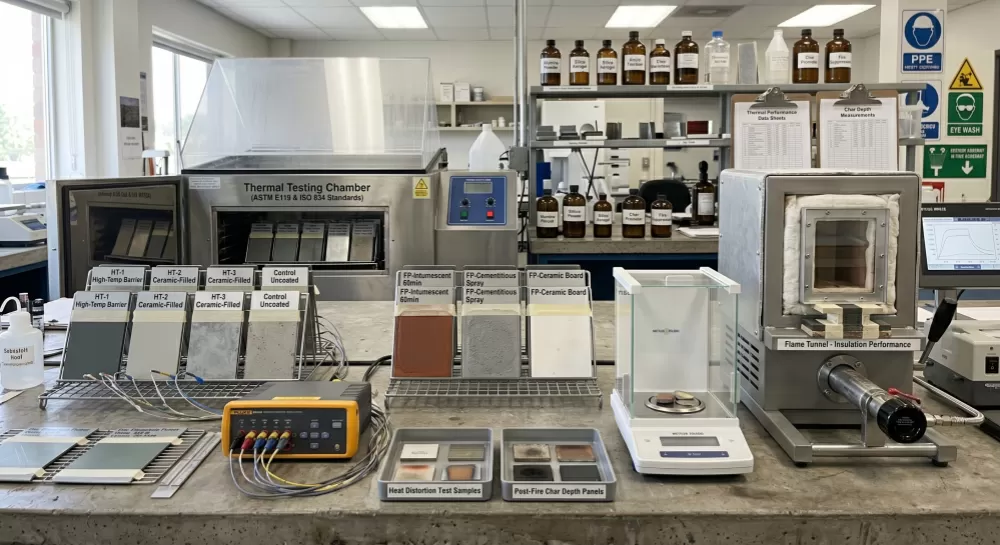
Chemical and Physical Properties of Aluminum Metaphosphate
To understand the role of this material in industrial processes, one must examine its molecular configuration. Aluminum metaphosphate is an inorganic salt consisting of aluminum cations and metaphosphate anions. The metaphosphate group forms polymeric network chains or ring structures where phosphorus atoms are linked via oxygen atoms. This polymeric arrangement contributes to its high melting point, which typically exceeds 1200 degrees Celsius, and its remarkable thermal stability.
Unlike standard orthophosphates, which can undergo structural decomposition and release water of hydration at lower temperatures, the anhydrous metaphosphate structure remains highly stable. This stability is particularly beneficial in glass melts and ceramic sintering processes. The material exhibits low solubility in water, which prevents premature leaching or dissolution when exposed to environmental moisture during storage or initial mixing stages. Its low thermal expansion coefficient also ensures that materials incorporating it can withstand rapid temperature fluctuations without developing structural micro-cracks.
From an optical standpoint, the compound displays high transparency in both the ultraviolet and visible spectrums. It possesses a relatively low refractive index, making it a key additive in specialty optical glass formulations where light dispersion must be minimized. The absence of heavy metal impurities is a decisive factor in preserving these optical qualities, a parameter that Xinsheng monitors closely during the synthesis and purification stages.
Addressing Performance Difficulties in High-Temperature Manufacturing
Industrial manufacturers face persistent challenges related to material degradation, thermal shock, and optical clouding under high-temperature operating conditions. For instance, in the production of specialty glassware, standard silica-based systems often struggle to maintain ultraviolet clarity while preventing crystallization during the cooling cycle. Introducing aluminum metaphosphate into the glass batch solves this issue by acting as a strong network former that suppresses devitrificaton, allowing the glass to cool into a uniform, amorphous structure without losing UV transmittance.
In the refractories sector, binders must withstand extreme thermal cycling without losing mechanical strength. Sodium-based or calcium-based binders can introduce fluxing agents that lower the overall melting point of the refractory lining, leading to structural softening or failure under load. Replacing these binders with high-purity aluminum metaphosphate provides a robust chemical bond that reacts with alumina aggregates at elevated temperatures. This reaction creates a stable, high-melting crystalline phase, enhancing the mechanical strength of the refractory lining and preventing premature degradation caused by molten metals or corrosive slags.
Another challenge occurs in the formulation of halogen-free polymer materials, where flame retardancy must be achieved without compromising the mechanical integrity of the polymer matrix. Some additive flame retardants degrade during high-temperature extrusion, causing discoloration or gas emission. This inorganic phosphate compound acts as an enduring thermal synergist, working in tandem with organic flame retardants to form a stable char layer when exposed to heat, thereby isolating the underlying polymer from oxygen and flame propagation.
Industrial Applications and Sector Analysis
The operational benefits of this compound extend across several major industrial sectors, each requiring specific particle sizes and purity levels to achieve the desired outcomes.
Specialty Optical Glass and Precision Lenses
In the manufacture of optical components, particularly fluorophosphate glasses used in high-resolution camera lenses, microscopes, and laser systems, aluminum metaphosphate serves as a primary structural stabilizer. The compound helps lower the glass transition temperature while maintaining chemical resistance to moisture and atmospheric acids. Its low dispersion characteristics allow optical engineers to design lenses that minimize chromatic aberration, ensuring high-fidelity light transmission across wide wavelength ranges.
High-Temperature Refractories and Monolithics
For the steel, cement, and petrochemical industries, refractory linings must endure continuous operational heat. The inclusion of this compound in phosphate-bonded refractories, monolithic castables, and high-alumina bricks provides several advantages:
Enhanced Green Strength: It provides strong bonding characteristics at ambient and mid-range temperatures before the ceramic sintering process is complete.
Slag Resistance: The resulting chemical bond resists penetration by acidic and basic slags, reducing chemical wear inside furnaces.
Thermal Shock Resistance: The low thermal expansion of the phosphate bond prevents spalling and cracking during rapid furnace heat-up or cool-down cycles.
Polymer Flame Retardant Formulations
As regulatory bodies tighten restrictions on halogenated flame retardants, manufacturers are turning to phosphorus-based alternatives. Used in combination with nitrogen-containing compounds or metal hydroxides, the metaphosphate compound forms a dense, non-combustible char barrier upon thermal exposure. This process limits the release of toxic gases and dripping during combustion, allowing polymers to meet strict safety ratings like UL 94 V-0 in electrical and automotive applications.
Manufacturing Quality and Synthesis Control at Xinsheng
The performance of aluminum metaphosphate in final applications is directly linked to the precision of its manufacturing process. Impurities such as iron, sodium, and heavy metals can compromise optical clarity, alter electrical insulation properties, or lower the melting point in refractory materials. Xinsheng utilizes a controlled synthesis pathway that reacts high-purity phosphoric acid with refined aluminum compounds under strict temperature and pH parameters.
Following the initial reaction, the material undergoes a calcination step at specific temperature profiles. This step is necessary to ensure complete conversion to the metaphosphate phase and to eliminate any residual water or orthophosphate fractions. The calcined material is then milled to target particle size distributions. Depending on the application—whether it is a coarse powder for refractory bricks or a fine, micronized powder for optical glass melts and polymer compounding—Xinsheng employs advanced air jet milling and classification systems to achieve consistent grain size distributions (D50 and D90 metrics).
Quality control protocols at Xinsheng include routine analysis of chemical composition, loss on ignition (LOI), and particle size distribution. This consistency ensures that B2B buyers receive shipments that behave predictably in their automated production lines, preventing unexpected viscosity changes in glass melts or curing variations in refractory binders.
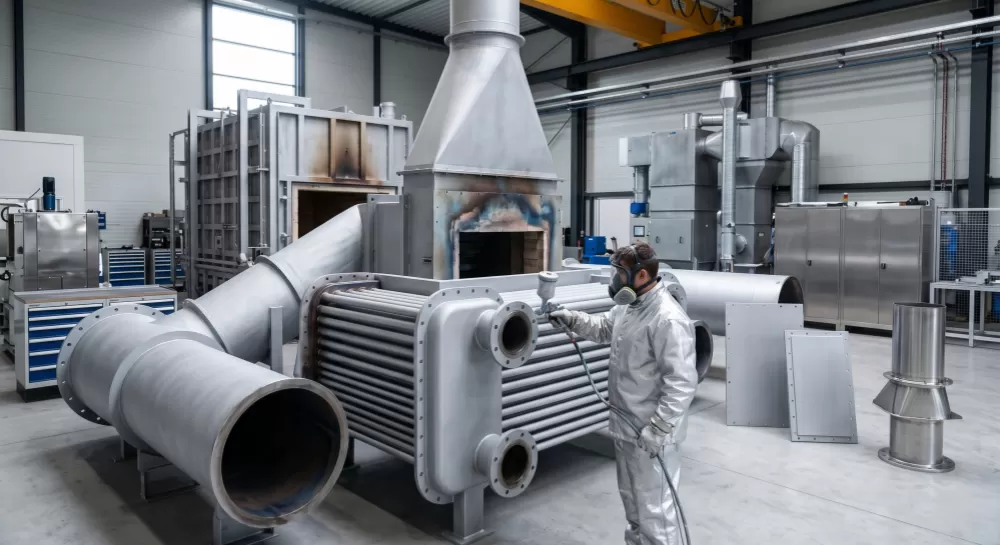
Procurement and Integration Guidelines for B2B Buyers
When sourcing raw materials for industrial production, purchasing and material development teams must evaluate several practical factors to ensure seamless integration:
Moisture Management: Although the compound is highly stable, fine powders can absorb ambient surface moisture over time if exposed to high humidity. Material should be stored in original, sealed moisture-barrier bags in a cool, dry warehouse environment.
Compatibility with Existing Formulations: When replacing orthophosphate binders or alternative glass formers, testing should be conducted to adjust the water-to-binder ratio in refractories or the batch composition in glass melts to account for the specific rheology of the metaphosphate.
Regulatory Compliance: Ensure that the supplier provides comprehensive documentation, including Safety Data Sheets (SDS), Certificates of Analysis (COA), and compliance declarations for REACH and RoHS where applicable.
Xinsheng assists partners during the evaluation phase by providing detailed material specifications and representative samples to verify performance in laboratory trials before full-scale commercial procurement.
Frequently Asked Questions
Q1: What is the primary difference between aluminum metaphosphate and aluminum orthophosphate?
A1: The main difference lies in their chemical structures and high-temperature behavior. Aluminum metaphosphate, Al(PO3)3, features a polymeric ring or chain structure of phosphate groups, which provides greater thermal stability, a higher melting point, and better resistance to moisture absorption than the monomeric aluminum orthophosphate, AlPO4. This makes the metaphosphate more suitable for demanding optical glass and advanced refractory applications.
Q2: How does aluminum metaphosphate prevent crystallization in optical glass?
A2: In optical glass melts, the compound acts as a network former. During the cooling phase, its polymeric phosphate chains restrict the mobility of other ions in the melt, suppressing the nucleation and growth of crystal phases. This action helps maintain an amorphous, non-crystalline structure, ensuring the final glass remains clear and free from optical defects.
Q3: Is this material compatible with acidic or basic refractory aggregates?
A3: It is compatible with high-alumina, silica, and neutral refractory aggregates. At elevated temperatures, it reacts with alumina to form stable aluminum phosphate bonds. However, care should be taken when using it with highly basic aggregates like magnesia, as rapid reactions can occur at lower temperatures, potentially affecting the working time and setting characteristics of the mix.
Q4: Why is iron content so important in the specifications of this compound?
A4: Iron impurities, even in parts-per-million (ppm) concentrations, cause significant light absorption in the visible and near-infrared regions of the spectrum. For optical glass applications, low iron levels are required to prevent green or brown tinting and to maintain high light transmission efficiency. Xinsheng monitors and limits iron levels during production to meet these optical requirements.
Q5: What packaging options are available to protect the material from moisture?
A5: To prevent moisture absorption during transport and storage, Xinsheng packages the material in multi-layer paper bags or woven bags lined with high-density polyethylene (HDPE) inner bags. For highly sensitive applications, vacuum-sealed or moisture-barrier aluminum foil packaging can be provided upon request to maintain dry handling properties.
Procurement and Technical Consultations
Selecting the appropriate grade, particle size, and purity of aluminum metaphosphate is essential for achieving optimal performance in your manufacturing processes. The technical team at Xinsheng is available to provide detailed product specifications, safety data sheets, and analytical documentation to support your engineering and procurement requirements. For commercial inquiries, pricing details, or to request product samples for laboratory testing, please contact the sales department directly through our official inquiry channels.