
In industries where components are subjected to extreme thermal and chemical stresses, the performance of bonding agents is a determining factor for operational longevity and efficiency. Traditional organic binders decompose at elevated temperatures, leading to structural failure. This limitation has propelled the adoption of inorganic bonding systems. Among these, the aluminum phosphate binder, often referred to as monoaluminum phosphate (MAP), has established itself as a foundational material for a wide range of high-temperature applications. Its ability to form robust ceramic bonds upon curing provides unparalleled structural integrity in refractory products, protective coatings, and precision casting molds.
The Chemical Foundation and Setting Mechanism
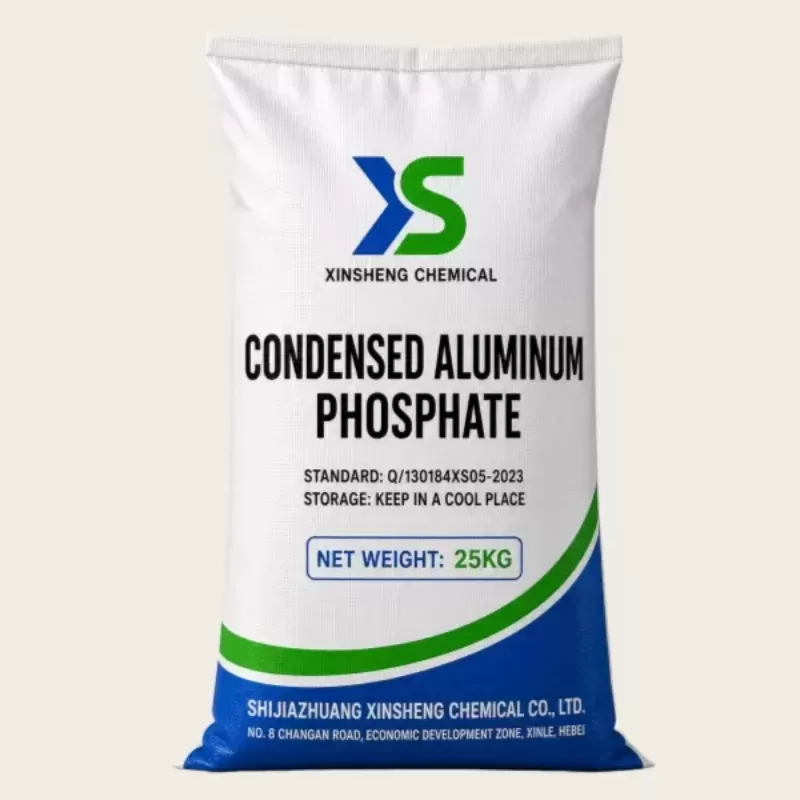
The efficacy of an aluminum phosphate binder originates from its unique chemical composition and transformation during heating. It is synthesized through a controlled reaction between phosphoric acid (H₃PO₄) and a source of aluminum, typically aluminum hydroxide (Al(OH)₃). The molar ratio of phosphorus to aluminum (P/Al ratio) is a meticulously controlled parameter during manufacturing, as it directly influences the binder's viscosity, setting time, and the final properties of the bonded material. A properly formulated solution exists as a viscous liquid containing complex polyphosphate chains.
The Curing Process: A Step-by-Step Examination
The transformation from a liquid binder to a solid ceramic matrix is a multi-stage process driven by temperature. Understanding these stages is fundamental to its successful application.
Initial Setting (Ambient to 150°C): At room temperature, the binder can set through a simple dehydration process, forming a solidified gel. This initial green strength is sufficient for handling and demolding parts. As the temperature rises, free water is driven off, initiating the cross-linking of phosphate chains.
Polycondensation and Bond Formation (150°C to 500°C): Within this temperature range, a condensation reaction occurs. Water molecules are eliminated from adjacent phosphate groups, leading to the formation of longer, more complex three-dimensional polyphosphate networks. This polymerization process significantly increases the mechanical strength of the bond.
Ceramic Bond Crystallization (Above 500°C): As temperatures continue to increase, the amorphous phosphate network begins to crystallize, primarily into aluminum orthophosphate (AlPO₄) and other stable crystalline phases. This final conversion results in a fully developed ceramic bond that exhibits exceptional thermal stability and mechanical strength at service temperatures.
Key Performance Characteristics of Aluminum Phosphate Binders
The widespread use of this binder is attributable to a distinct set of performance advantages that directly address the challenges of high-temperature environments. These characteristics are inherent to its chemical nature and the ceramic matrix it forms.
Thermal Stability and Refractoriness: The primary attribute is its ability to withstand continuous temperatures well in excess of 1500°C. Unlike organic binders that pyrolyze, the aluminum phosphate binder forms a stable, refractory bond that maintains its structural integrity without softening or decomposing.
Bonding Strength and Adhesion: It exhibits excellent adhesion to a wide variety of refractory aggregates, including alumina, silica, mullite, and silicon carbide. The resulting bond strength, both at room temperature (green strength) and at elevated temperatures (hot strength), is exceptionally high, which is important for producing durable refractory shapes and linings.
Chemical and Corrosion Resistance: The resulting AlPO₄ ceramic matrix is chemically inert and demonstrates strong resistance to attack from molten metals, slags, and corrosive gases. This makes it a suitable choice for applications in metallurgical and chemical processing industries.
Electrical Insulation Properties: Being a ceramic material, the cured binder is an excellent electrical insulator, even at high temperatures. This property is leveraged in the production of electrical cements, coatings for heating elements, and potting compounds for electronic components.
The consistency of these properties is directly linked to the quality and purity of the initial material. At Xinsheng, we focus on precise manufacturing controls to ensure our aluminum phosphate binder delivers predictable and reliable performance batch after batch.
Core Industrial Applications: Where Performance is Paramount
The theoretical benefits of aluminum phosphate binder translate into practical solutions across several demanding sectors. Its versatility allows it to function as a primary binder, a surface coating, or an impregnating agent.
Refractory and Furnace Linings
This is the largest application area. The binder is used to produce monolithic refractories, including castables, ramming mixes, and mortars. When mixed with refractory aggregates, it allows for the creation of complex shapes and seamless furnace linings that exhibit superior resistance to thermal shock and erosion compared to traditional clay-bonded or calcium aluminate cement systems. The high hot strength imparted by the phosphate bond extends the service life of critical components like furnace hearths, induction coils, and molten metal launders.
High-Temperature Protective Coatings
When formulated with fine ceramic fillers, the binder creates slurry coatings that can be applied to metal or ceramic substrates. After curing, these coatings form a hard, dense, and non-porous ceramic layer. This layer serves as a protective barrier against oxidation, chemical attack, and abrasion at high temperatures, effectively extending the operational life of components such as heat exchangers, exhaust manifolds, and industrial crucibles.
Investment Casting and Foundry
In the investment casting process, an aluminum phosphate binder is used to create ceramic shell molds. It is mixed with refractory flours like fused silica or zircon to form a slurry. A wax pattern is repeatedly dipped into this slurry and stuccoed with coarser grains to build up a multi-layered shell. Upon firing, the binder cures to form a strong, permeable mold capable of withstanding the thermal shock of molten metal pouring.
Specialized Electrical and Sealing Materials
Its excellent dielectric properties at high temperatures make it a material of choice for specialty cements used in assembling and sealing electrical components. It is used to encapsulate heating coils, seal thermocouple heads, and pot high-power resistors, providing both structural support and electrical insulation in environments where organic polymers would fail.
Addressing Formulation and Application Challenges
While the aluminum phosphate binder is a highly effective material, its successful implementation requires a deep understanding of formulation science. End-users often face challenges related to workability and compatibility, which can be addressed through careful product selection and formulation adjustments.
Controlling Setting Time and Workability
The setting time of the binder can be influenced by ambient temperature, humidity, and the reactivity of the aggregates it is mixed with. For instance, basic aggregates can accelerate the setting process. Manufacturers can modify the binder with retardants or accelerators to achieve a specific working life (pot life) suitable for a particular application, whether it's for rapid patching or for a large castable installation requiring several hours of workability.
Ensuring Substrate Compatibility and Adhesion
Achieving a strong bond depends not only on the binder but also on the cleanliness and porosity of the substrate or aggregates. Proper surface preparation is a prerequisite for good adhesion in coating applications. Furthermore, the formulation of the binder itself, particularly the P/Al ratio and the presence of wetting agents, can be adjusted by the supplier to enhance compatibility with specific materials. Suppliers like Xinsheng work with clients to provide guidance on product selection to ensure optimal performance with their specific raw materials and processes.
The Significance of Purity and Consistency in an Aluminum Phosphate Binder
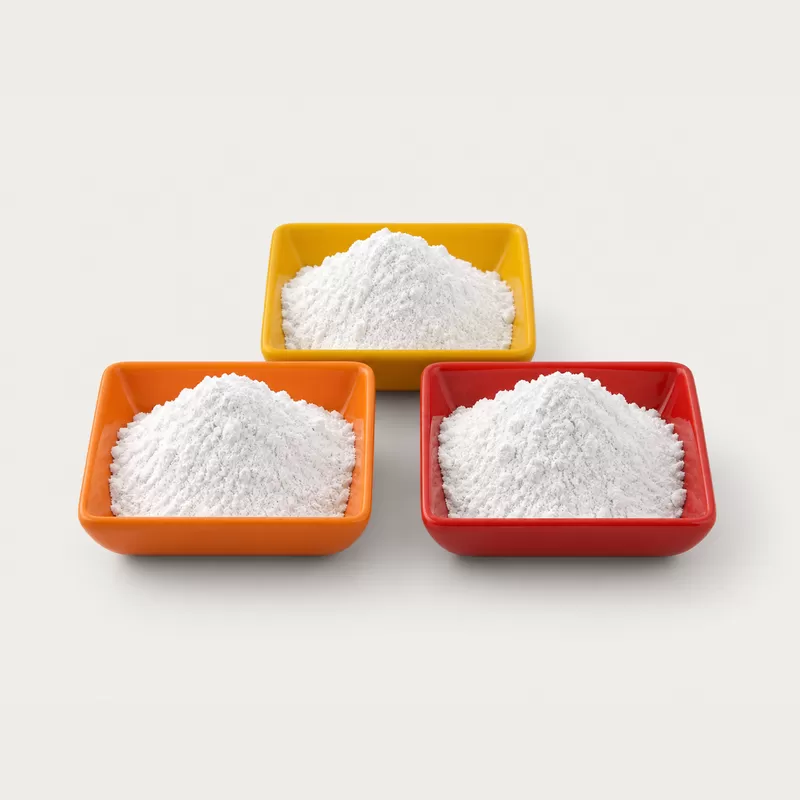
For industrial manufacturing, predictability is paramount. The performance of a final product, be it a refractory brick or a protective coating, is directly dependent on the consistency of its raw materials. In the case of an aluminum phosphate binder, trace impurities such as iron, sodium, or sulfate ions can have a detrimental effect. These impurities can lower the softening point of the resulting ceramic bond, compromise its chemical resistance, or cause unpredictable variations in setting time.
A reliable supply chain begins with a manufacturer committed to stringent quality control. Sourcing high-purity raw materials and implementing precise process controls over parameters like the P/Al ratio are foundational to producing a high-quality binder. This commitment, central to the production philosophy at Xinsheng, ensures that each batch of aluminum phosphate binder provides the same high level of performance, enabling customers to maintain stable and efficient production processes.
Frequently Asked Questions (FAQ)
Q1: What is the primary difference between liquid and powder forms of aluminum phosphate binder?
A1: The liquid form is a pre-reacted aqueous solution of monoaluminum phosphate, ready for immediate use. It is convenient for mixing into castables, mortars, and coating slurries. The powder form is a solid, dried version that must be reconstituted with water before use. The powder form offers a longer shelf life and can be advantageous for shipping and for formulating dry-mix products.
Q2: What is the typical curing temperature range required for the binder to form a full ceramic bond?
A2: While an initial set occurs at room temperature, a full ceramic bond is typically developed by firing the material to temperatures above 500°C. The exact temperature profile depends on the specific formulation and the application, with some refractory products being fired to 1000°C or higher to achieve maximum density and strength.
Q3: Can aluminum phosphate binder be used to bond non-porous materials like metals?
A3: Yes, it can. While it bonds exceptionally well to porous ceramic materials, it also exhibits good adhesion to properly prepared metal surfaces. For metal substrates, sandblasting or chemical etching is often recommended to create a mechanical anchor profile, which greatly improves the bond strength of a subsequent protective coating.
Q4: How does the P/Al (phosphorus to aluminum) ratio affect the binder's properties?
A4: The P/Al ratio is a critical manufacturing parameter. A higher P/Al ratio generally results in a more acidic, less viscous binder with a longer setting time. A lower P/Al ratio leads to a more viscous, faster-setting binder. This ratio is carefully controlled by the manufacturer to produce different grades of binder tailored for specific applications and setting characteristics.
Q5: Is the uncured binder water-soluble and easy to clean up?
A5: Yes, in its uncured liquid state, the aluminum phosphate binder is water-soluble. This allows for easy adjustment of viscosity with water and straightforward cleanup of mixing equipment and tools using water, before the material begins to set and cure.
For detailed specifications on our range of high-purity aluminum phosphate binder solutions or to discuss your specific high-temperature application requirements, please contact the Xinsheng materials team for a direct consultation or to request product data. We invite your inquiry.