
Industrial protective coatings rely heavily on stable, low-toxicity anti-corrosive pigments to extend the lifespan of steel structures, marine vessels, and automotive components. Among these materials, zinc phosphate has emerged as a standard choice due to its lower toxicity profile compared to historical chromate-based pigments. However, handling raw chemical powders requires a comprehensive understanding of handling protocols, exposure limitations, and environmental implications. The primary reference document for these details is the zinc phosphate sds, which outlines safety protocols and regulatory alignments for manufacturers and distributors alike. As an established manufacturer of inorganic pigments, Xinsheng ensures that all safety documents reflect current global safety standards.
Chemical Identity and Mechanisms of Corrosion Inhibition
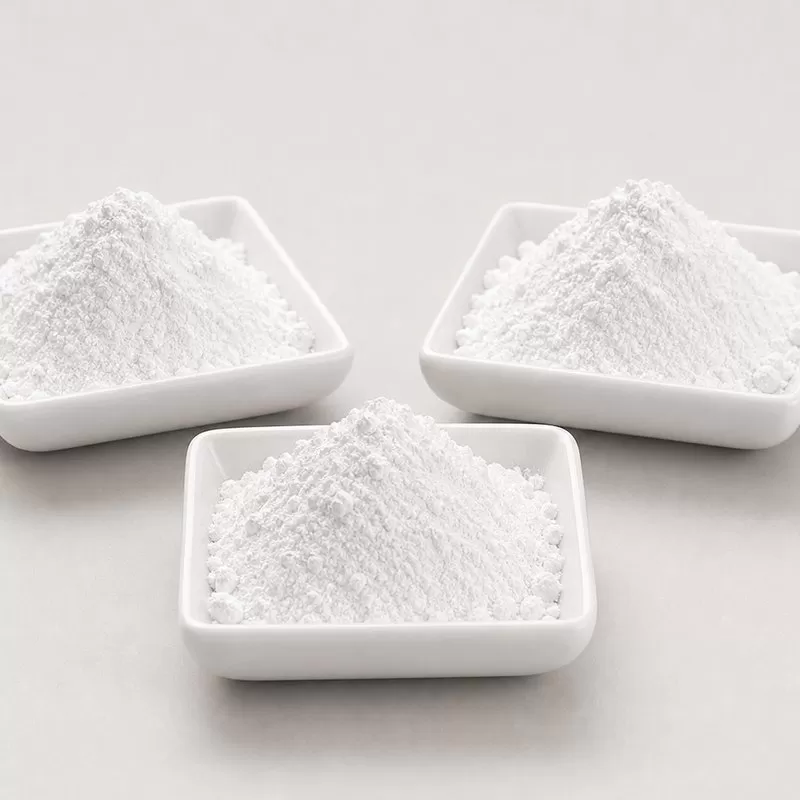
Understanding the chemical identity of this compound is the first step toward safe handling and successful formulation. Zinc phosphate, represented by the chemical formula Zn3(PO4)2, is an inorganic compound typically supplied as a fine white powder. It is insoluble in water but soluble in dilute acids, which plays a major role in its corrosion-inhibiting performance. When moisture penetrates a coating film, the pigment hydrolyzes slowly to release phosphate ions. These ions react with metal substrates to form a stable passivating layer, preventing further oxidation of the underlying steel.
The chemical composition listed in Section 3 of the zinc phosphate sds specifies the purity levels and the presence of any associated hydrates. High-purity grades prevent the introduction of unwanted trace heavy metals, such as lead or cadmium, which could alter the regulatory classification of the final paint product. By sourcing raw materials from dedicated manufacturers like Xinsheng, paint formulators receive consistent materials that align exactly with the documented safety specifications.
Analyzing Physical and Chemical Properties
Section 9 of the safety document lists the physical and chemical characteristics that define the performance of the material. These properties are highly relevant to both the manufacturing process and the formulation science of industrial coatings.
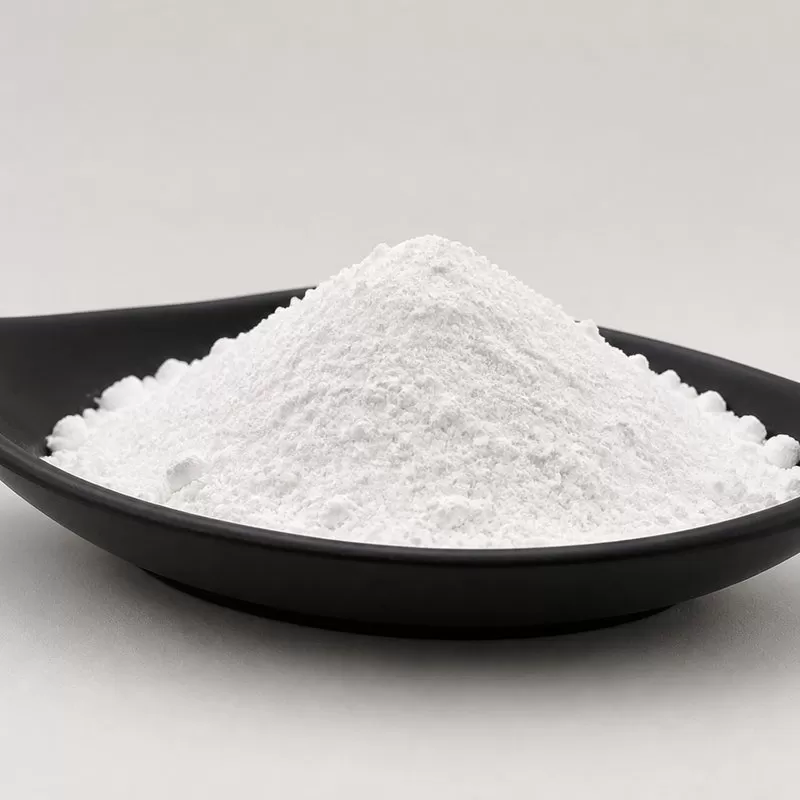
Appearance and Physical State: Odorless, white powder. This neutral color allows for flexible tinting of primers.
Specific Gravity: Typically ranges between 3.2 and 3.8 g/cm³. This relatively high density requires appropriate anti-settling agents in the paint formulation to prevent hard settling during storage.
Oil Absorption: Usually falls between 15 and 25 grams of oil per 100 grams of pigment. This value determines the amount of binder required to fully wet the pigment particles, impacting the pigment volume concentration of the paint.
Solubility: Negligible in water (less than 0.01 g/l at 20°C). This low solubility is vital for providing long-lasting corrosion inhibition without rapid leaching of the active ions.
These physical constants help formulation chemists determine the optimal dispersion time and energy required during the sand milling process. Maintaining consistency in these physical attributes ensures that batch-to-batch production remains uniform, reducing the need for formulation adjustments in the factory.
Analyzing the Regulatory Sections of a Zinc Phosphate SDS
Regulatory agencies worldwide utilize the Globally Harmonized System of Classification and Labelling of Chemicals (GHS) to standardize hazard communication. Section 2 of the zinc phosphate sds contains vital information regarding the hazards associated with the substance. Unlike older anti-corrosive pigments, zinc phosphate does not carry severe warnings for human toxicity, making it a preferred choice for environmentally conscious manufacturing.
The primary environmental hazard associated with this compound is its impact on aquatic ecosystems. Under GHS guidelines, it is classified as Hazardous to the Aquatic Environment, Acute Hazard (Category 1) and Long-Term Hazard (Category 1). The corresponding hazard statement, H410, indicates that the substance is highly toxic to aquatic life with long-lasting effects. Consequently, safety labels must display the environmental pictogram (the dead tree and fish symbol) alongside precautionary statements advising against release into the environment. Formulators must incorporate these safety parameters into the labeling of their finished retail or industrial paint products.
First Aid and Exposure Management
Accidental exposure during chemical processing requires immediate and standardized response actions. Section 4 of the safety document outlines first aid measures for different routes of exposure, including inhalation, skin contact, eye contact, and ingestion. Although the substance is not classified as an acute oral or dermal toxin, the physical nature of the fine powder can cause mechanical irritation to mucous membranes and the respiratory tract.
If dust inhalation occurs, workers should be moved to an area with fresh air. In case of eye contact, rinsing with abundant water for several minutes is recommended to remove particulate matter. When managing fire scenarios, as detailed in Section 5, zinc phosphate itself is non-flammable and non-explosive. However, when exposed to high temperatures during a surrounding fire, it may decompose to release zinc oxide fumes and phosphorus oxides. Firefighters must use self-contained breathing apparatus and select extinguishing media appropriate for the surrounding materials.
Industrial Handling and Safe Storage Practices
Preventing workplace exposure and environmental contamination requires robust engineering controls and standardized handling protocols. Section 7 and Section 8 of the zinc phosphate sds provide specific guidance on storage conditions and personal protective equipment (PPE). Implementing these measures reduces operational liabilities and ensures compliance with local occupational health regulations.
Proper storage involves keeping the material in tightly sealed containers in a cool, dry, and well-ventilated area. Moisture must be avoided to prevent the powder from caking, which can affect dispersibility during the paint manufacturing process. For workers handling the raw pigment, recommended protective gear includes:
Particulate respirators (such as N95 or FFP2 masks) to prevent dust inhalation.
Chemical-resistant gloves (nitrile or neoprene) to prevent skin drying and irritation.
Safety glasses with side shields or chemical goggles to protect against dust intrusion.
Protective work clothing or overalls to minimize skin exposure.
Implementing local exhaust ventilation at powder-transfer stations is an effective engineering control that minimizes airborne dust concentrations. This localized containment protects operators and maintains a clean production floor, reducing the reliance on personal respiratory equipment during routine operations.
Spill Management and Environmental Containment
Spill response protocols must prioritize environmental protection due to the aquatic toxicity classification of the material. Section 6 of the zinc phosphate sds details the procedures for containing and cleaning up accidental releases. In the event of a dry powder spill, workers should avoid using compressed air or dry sweeping, as these actions generate airborne dust clouds that increase inhalation hazards.
The recommended cleaning method involves dry vacuuming with a high-efficiency particulate air (HEPA) filter or wet sweeping to collect the material safely. Collected waste must be placed in labeled, tightly sealed containers for appropriate chemical disposal. Because the material is hazardous to waterways, runoff from cleanup efforts must be blocked from entering storm drains, municipal sewers, or local streams. This high level of environmental containment is a standard requirement for ISO-certified facilities operating under sustainable manufacturing guidelines.
Toxicological and Ecological Information
Section 11 and Section 12 of the zinc phosphate sds present detailed scientific data concerning toxicity and environmental impact. For toxicological evaluations, oral LD50 values in rats are typically reported as greater than 5000 mg/kg, indicating a low level of acute oral toxicity. Dermal and inhalation toxicity levels are similarly low, presenting minimal systemic health hazards during normal industrial handling.
The ecological data, however, highlights the need for strict containment. Zinc ions can bioaccumulate in aquatic organisms, and dissolved phosphate can contribute to eutrophication if released in large volumes. The LC50 values for fish (typically measured using rainbow trout or fathead minnows) and EC50 values for daphnia magna are often below 1 mg/L, which triggers the Category 1 aquatic toxicity classification. Understanding these specific ecological metrics is vital for compliance with environmental discharge permits and municipal waste regulations.
Formulation Compatibility and Industrial Application
Integrating anti-corrosive pigments into liquid coatings requires careful consideration of physical and chemical interactions. Zinc phosphate is compatible with a wide range of binder systems, including alkyd resins, epoxy esters, chlorinated rubbers, and polyurethane systems. Its low refractive index allows formulators to use it in colored primers without significantly altering the final color profile of the paint.
In water-borne paint systems, managing the stability of the pigment is a specific engineering challenge. Because water-borne resins are sensitive to pH shifts and dissolved ions, the low solubility of the pigment must be tightly controlled. High-quality grades provided by Xinsheng undergo careful manufacturing controls to ensure a stable pH range and minimal soluble salt content. These controls prevent issues such as paint gelling, viscosity drift, or flash rusting during the application phase, ensuring the long-term integrity of the protective coating.
Regulatory Standards and Global Compliance
Navigating international chemical regulations is a complex task for exporters of industrial coatings. While the GHS framework standardizes the presentation of chemical hazards, actual compliance requirements vary between jurisdictions. For instance, European manufacturers must ensure that their suppliers comply with REACH registration requirements, whereas US-based operations must align with OSHA Hazard Communication Standards.
The information contained within a comprehensive zinc phosphate sds serves as the foundation for complying with these diverse regional frameworks. It assists safety managers in compiling local chemical inventories, calculating toxic air pollutant emissions, and determining waste disposal classifications. Relying on a reliable manufacturing partner like Xinsheng ensures that all safety documentation is accurate, up-to-date, and capable of passing regulatory audits in major global markets.
Frequently Asked Questions
Q1: What is the primary hazard classification found in a zinc phosphate sds?
A1: Under the Globally Harmonized System (GHS), zinc phosphate is primarily classified as hazardous to the aquatic environment (Category 1 for both acute and chronic hazards). It carries the hazard statement H410, indicating it is highly toxic to aquatic life with long-lasting effects. Safe disposal and containment measures are necessary to prevent environmental contamination.
Q2: Is zinc phosphate classified as a hazardous substance for international transport?
A2: Yes, due to its aquatic toxicity, bulk shipments of zinc phosphate are classified as Class 9 Dangerous Goods (Environmentally Hazardous Substances, Solid, N.O.S., UN 3077) under IMDG, ADR, and IATA regulations. However, small packaging exemptions may apply depending on the specific transport jurisdiction.
Q3: How should exposure to zinc phosphate dust be managed in a manufacturing facility?
A3: Dust exposure should be controlled using local exhaust ventilation at the point of bag opening and mixing. Workers should wear appropriate personal protective equipment, including protective eyewear, chemical-resistant gloves, and particle-filtering respirators (such as N95 or FFP2) to prevent inhalation and skin contact.
Q4: Does zinc phosphate contain heavy metal impurities that affect compliance?
A4: High-quality zinc phosphate produced by manufacturers like Xinsheng contains minimal trace heavy metals such as lead, cadmium, and arsenic. The exact concentration limits for these impurities are documented in Section 3 and Section 15 of the safety document to ensure compliance with international toy safety and food-contact coating regulations.
Q5: Can zinc phosphate be used in water-based paint formulations safely?
A5: Yes, zinc phosphate is widely used in water-borne systems. It is stable under normal conditions, but formulators must monitor the pH of the system to prevent premature hydrolysis. Referencing the chemical stability guidelines in Section 10 of the zinc phosphate sds helps avoid compatibility issues with acrylic or polyurethane emulsions.
Procurement and Supplier Collaboration
For paint manufacturers looking to integrate high-purity anti-corrosive pigments into their product lines, obtaining reliable raw materials backed by precise documentation is a priority. Xinsheng provides comprehensive material support, including detailed safety documentation and batch testing, to assist with your regulatory compliance and quality assurance processes. Contact our chemical distribution team to request current specification sheets, sample batches, or to submit a detailed procurement inquiry for your manufacturing needs.