
Metal corrosion presents a continuous challenge in industrial infrastructure, marine engineering, and manufacturing. The degradation of steel and iron structures leads to substantial economic losses and potential safety hazards. To mitigate these issues, industrial coating formulators rely on protective primers containing active anti-corrosive pigments. Among these materials, zinc phosphate pz20 has established itself as a reliable, non-toxic, and highly efficient solution for long-term corrosion prevention.
As environmental regulations phase out traditional chromate-based pigments due to their toxicity, the demand for safer alternatives has grown. Synthetic modified orthophosphates, specifically micronized grades, offer a balanced profile of environmental safety and robust performance. Xinsheng, a manufacturer in the chemical pigment sector, produces these materials to meet the stringent requirements of global protective coating standards.
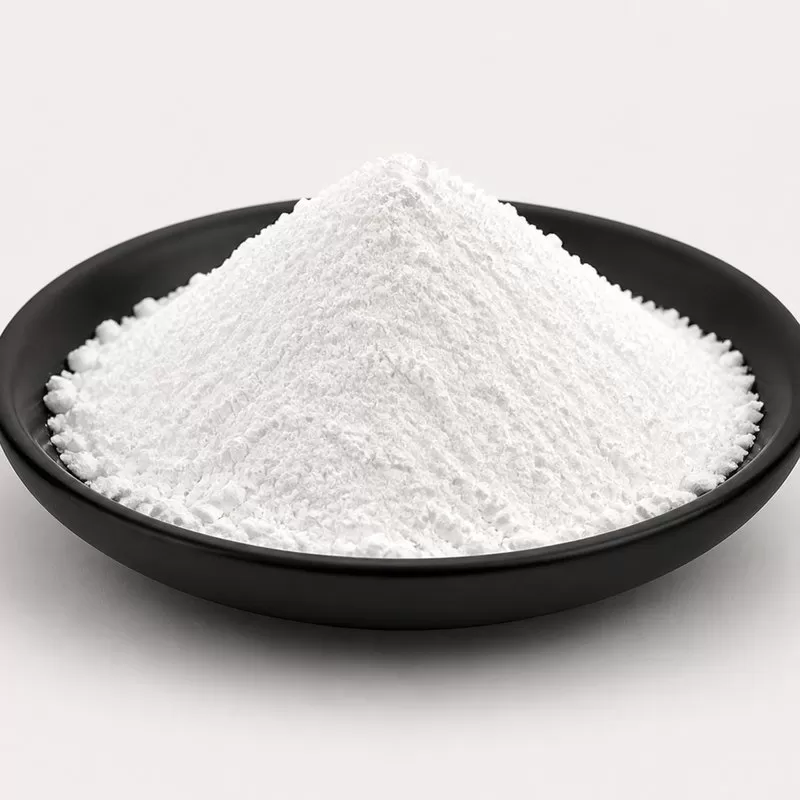
Understanding the Chemical Mechanism of Zinc Phosphate PZ20
The protective capability of zinc phosphate pz20 stems from its chemical structure and the way it interacts with metal substrates. When moisture penetrates a coating film, the pigment dissociates slightly to release phosphate ions. These ions react with the iron substrate to form a stable, insoluble layer of iron phosphate. This passivation process effectively seals the metal surface, preventing the electrochemical reactions that drive rust formation.
Beyond this anodic passivation, the zinc ions contribute to cathodic protection by forming basic complexes that deposit at cathodic sites. This dual-action mechanism restricts the migration of corrosive species like water, oxygen, and chloride ions toward the metal surface. Because the pigment is micronized, it presents a high specific surface area, which enhances the rate of ion release and ensures a prompt response when moisture enters the film.
The particle size distribution of the pigment plays a major role in its mechanical barrier properties. Smaller particles distribute more uniformly throughout the binder matrix, packing tightly to reduce the permeability of the dry film. This prevents the formation of continuous pathways through which water and oxygen could migrate, complementing the chemical passivation with a physical barrier.
Key Industrial Applications and Binder Compatibility
Industrial coatings are utilized across diverse environments, each demanding specific physical and chemical properties. The adaptability of zinc phosphate pz20 makes it suitable for a wide range of resin systems and application methods.
Solvent-Borne Epoxy Primers
In heavy-duty industrial environments, such as offshore platforms, bridges, and chemical processing plants, epoxy coatings are widely specified due to their chemical resistance and adhesion. Integrating this micronized pigment into epoxy formulations enhances salt spray resistance and reduces under-film corrosion. The chemical stability of the pigment ensures it does not react prematurely with the epoxy resins or amine curing agents during storage, preserving the shelf-life of two-component systems.
Water-Borne Protective Systems
With regulations limiting volatile organic compounds (VOCs), coating manufacturers are increasingly shifting toward water-borne acrylic and polyurethane systems. Formulating water-borne anti-corrosive primers requires pigments with low water-soluble salt content to prevent osmotic blistering. This pigment grade features controlled ionic solubility, which provides adequate passivation without causing film defects or water sensitivity in aqueous environments.
Alkyd and Short-Oil Primer Formulations
For general industrial finishes and agricultural equipment, alkyd resins remain a cost-effective option. The pigment disperses easily in solvent-borne alkyd binders without requiring excessive shear during the milling process. It provides reliable flash-rust inhibition on steel surfaces, allowing the primer to perform consistently even when applied under challenging environmental conditions.
Physical Specifications and Analytical Characteristics
Evaluating the suitability of a pigment requires a detailed look at its physical and chemical specifications. The following table outlines the typical parameters for the zinc phosphate pz20 manufactured by Xinsheng, ensuring consistency across production batches:
| Parameter | Typical Value Range | Testing Standard / Method |
|---|---|---|
| Zinc Content (as Zn) | 45.0% – 51.0% | Chemical Analysis |
| Phosphate Content (as PO4) | 43.0% – 48.0% | Spectrophotometry |
| Oil Absorption | 18 – 25 g/100g | ISO 787-5 |
| Average Particle Size (D50) | ≤ 2.5 μm | Laser Diffraction |
| pH Value (Aqueous Extract) | 6.5 – 8.0 | ISO 787-9 |
| Sieve Residue (45 μm) | ≤ 0.1% | ISO 787-18 |
| Specific Gravity | 3.2 – 3.5 g/cm³ | Pycnometer Method |
Maintaining these specific parameters is vital for coating stability. For instance, controlled oil absorption ensures that the pigment does not absorb excessive binder, which could otherwise reduce the pigment volume concentration (PVC) and impact the physical flexibility or adhesion of the dry coating film.
Addressing Common Challenges in Coating Formulation
Incorporating anti-corrosive pigments into liquid coatings presents several challenges during the manufacturing and storage phases. Formulators must address these issues to ensure consistent quality and long shelf life.
Pigment settling and hard-caking during storage is a common problem in low-viscosity primers. Due to the high density of inorganic zinc compounds, they tend to settle over time. The micronized nature of zinc phosphate pz20, combined with appropriate anti-settling agents like bentonite clays or fumed silica, helps maintain a stable suspension. The small particle size limits the rate of sedimentation, allowing any settled material to be easily redispersed prior to application.
Another challenge involves achieving a dispersion without degrading the polymer chains of the binder. High-shear milling can heat the millbase, potentially destabilizing sensitive resins. Because of the soft crystalline structure of this synthetic phosphate pigment, it requires less grinding energy than harder minerals. This reduces processing times, lowers energy consumption during manufacturing, and prevents thermal degradation of the resin system.
Achieving the right balance of pigment volume concentration (PVC) relative to the critical pigment volume concentration (CPVC) is also necessary. If the PVC is too high, the film becomes porous, leading to rapid water penetration. If it is too low, there may not be enough active pigment to passivate the substrate. Formulating with this micronized grade allows for a more uniform distribution of particles, widening the operating window for formulators to achieve optimal barrier and passive protection.
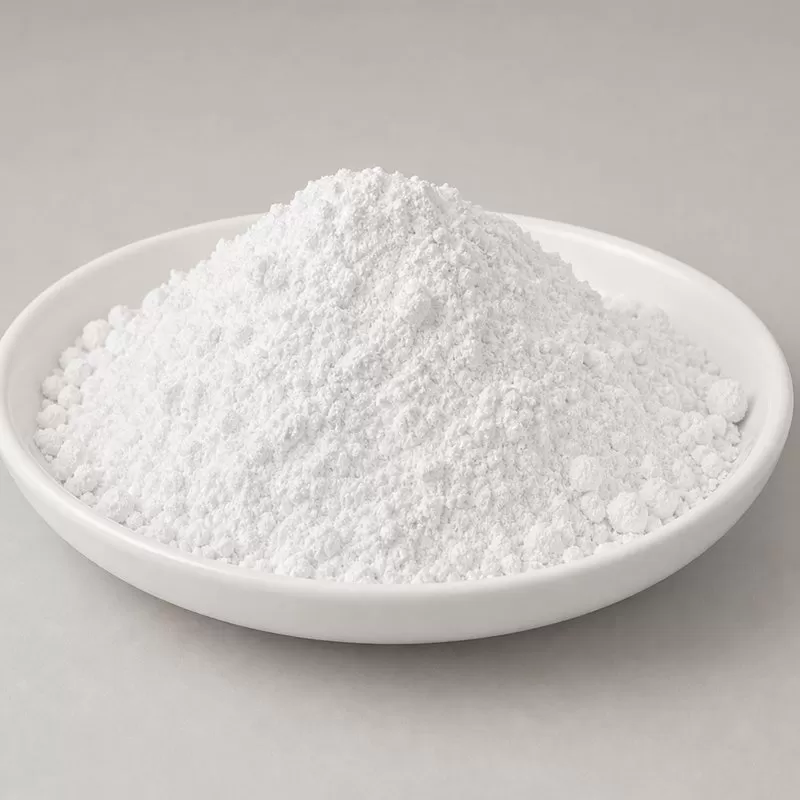
The Sourcing Advantage with Xinsheng
For industrial B2B procurement managers and formulation chemists, sourcing reliable raw materials is a core priority. Batch-to-batch consistency is necessary to prevent variations in drying time, viscosity, and corrosion resistance in the finished product. Xinsheng utilizes advanced synthesis and milling technologies to ensure that every delivery of zinc phosphate pz20 conforms to strict quality control limits.
In addition to strict product specifications, supply chain stability is a major factor in modern manufacturing. Having a dependable production partner helps avoid costly downtime in coating production. Xinsheng provides comprehensive documentation, regulatory compliance data, and logistic support to facilitate seamless integration into your manufacturing workflow.
Frequently Asked Questions
Q1: How does zinc phosphate pz20 differ from standard zinc phosphate grades?
A1: The primary difference lies in the particle size distribution and surface modification. This specific grade is highly micronized, resulting in a much smaller average particle size (typically D50 ≤ 2.5 μm). This smaller particle size provides a larger active surface area for passivation, improved dispersion stability, and better packing density within the dry coating film compared to standard, coarser grades.
Q2: Is this pigment compatible with water-borne acrylic systems?
A2: Yes, it is fully compatible with water-borne acrylic, polyurethane, and epoxy systems. It has a controlled, low level of water-soluble salts, which prevents osmotic blistering and maintains the stability of the aqueous emulsion during long-term storage.
Q3: Can zinc phosphate pz20 completely replace chromate-based anti-corrosive pigments?
A3: Yes, it is designed as a direct, non-toxic alternative to zinc chromate and other hazardous anti-corrosive pigments. When formulated at the correct pigment volume concentration and combined with suitable barrier resins, it offers comparable long-term corrosion protection without the associated health and environmental hazards.
Q4: What is the recommended loading level for this pigment in industrial primers?
A4: Sourcing requirements vary depending on the binder system and the severity of the intended exposure environment. Generally, the pigment loading ranges from 5% to 15% of the total dry film weight. Formulators should conduct salt spray testing to determine the precise level required for their specific performance targets.
Q5: Does the use of this pigment affect the adhesion properties of the primer?
A5: When formulated within the correct pigment-to-binder ratio, it does not negatively impact adhesion. In fact, the formation of the metal-phosphate passivation layer on the steel surface can improve the chemical adhesion of the overall coating system to the substrate.
Q6: How should the pigment be stored to maintain its quality?
A6: It should be stored in its original, unopened packaging in a dry, cool, and well-ventilated warehouse. Exposure to direct moisture or high humidity should be avoided to prevent agglomeration or moisture absorption, which could affect its dispersibility during production.
Request a Technical Consultation and Inquiry
Selecting the right pigment grade is a collaborative process that depends on your specific binder chemistry, production equipment, and performance specifications. The technical team at Xinsheng is ready to assist you with detailed formulation guidance, safety data sheets, and sample evaluations to help you integrate zinc phosphate pz20 into your product line.
To discuss your formulation requirements, request a product sample, or obtain a commercial quote for your manufacturing facility, please submit an inquiry with your detailed specifications and expected volume requirements. Our technical sales engineers will review your request and provide a tailored response to support your development goals.