
In industrial manufacturing, particularly within the refractories, ceramics, and specialized coatings sectors, inorganic binders play a fundamental role. Aluminum phosphate, designated by its chemical formula AlPO4, stands out as a highly stable high-temperature binder. However, handling this compound safely and effectively requires a deep understanding of its chemical properties, hazards, and regulatory requirements. Accessing and interpreting an aluminum phosphate msds is a regulatory requirement and a basic operational practice for safety officers, procurement managers, and chemical engineers alike.
This document serves as a guide to navigating the safety data sheet for this compound, focusing on practical handling, chemical specifications, and risk mitigation. For industrial buyers sourcing from manufacturers like Xinsheng, having immediate access to reliable material safety documentation ensures seamless operations, worker safety, and regulatory compliance across different global jurisdictions.
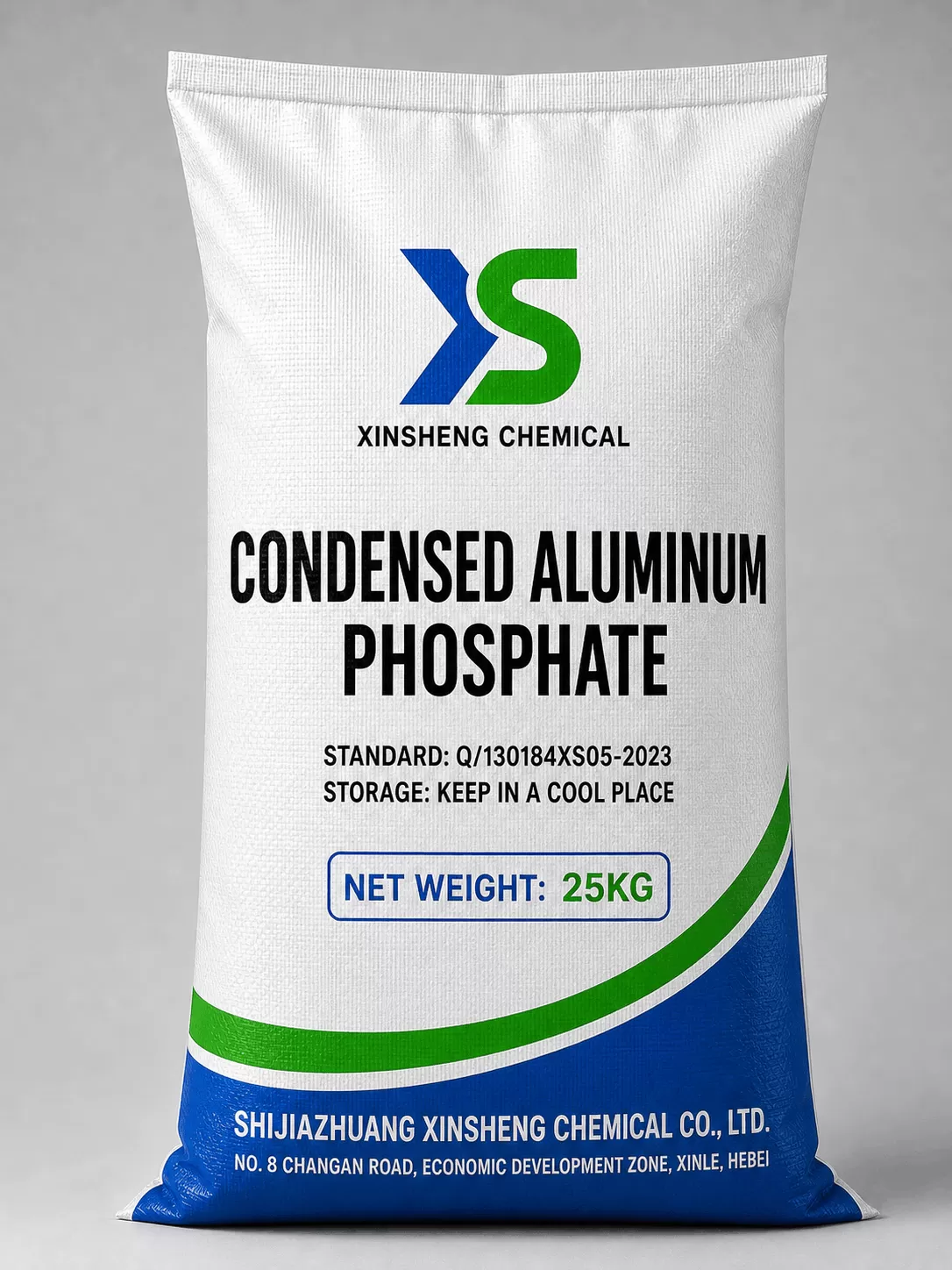
Chemical Profile and Industrial Importance of Aluminum Phosphate
Aluminum phosphate is an inorganic compound synthesized through the reaction of phosphoric acid with aluminum hydroxide or other aluminum sources. Depending on the hydration state and the molar ratio of phosphorus to aluminum, it can exist as monoaluminum phosphate, dialuminum phosphate, or trialuminum phosphate. Each variant possesses distinct physical and chemical characteristics that determine its suitability for specific industrial processes.
In monolithic refractories, liquid monoaluminum phosphate is widely used due to its exceptional bonding strength at high temperatures. The material undergoes polymerization when heated, creating a robust, heat-resistant ceramic matrix. Understanding these chemical transformations is necessary for predicting how the material behaves under extreme thermal stress. For this reason, the chemical identity details listed in Section 3 of the safety data sheet are highly useful for engineers who need to match the raw material specifications with their specific thermal processing requirements.
Below is a summary of the standard chemical parameters typically found in industrial-grade aluminum phosphate:
| Chemical Parameter | Typical Specification | Industrial Significance |
|---|---|---|
| CAS Registry Number | 7784-30-7 (Anhydrous) / 13530-50-2 (Monoaluminum) | Ensures unique substance identification for global regulatory tracking. |
| Molecular Formula | AlPO4 or Al(H2PO4)3 | Defines the chemical stoichiometry and binder reactivity. |
| Physical State | White crystalline powder or viscous liquid | Determines the handling equipment and dust control measures. |
| pH Range (Liquid) | 1.0 – 2.5 (Acidic) | Indicates corrosive potential to metals and skin handling precautions. |
| Thermal Stability | Up to 1500°C | Confirms suitability for high-temperature refractory bonding. |
Understanding Key Sections of the Aluminum Phosphate MSDS
A standard aluminum phosphate msds follows the Globally Harmonized System (GHS) of Classification and Labeling of Chemicals. This standard format ensures that safety information is structured consistently across sixteen distinct sections. For procurement and safety teams, focusing on specific sections allows for efficient risk assessment and chemical management.
Section 2: Hazard Identification
The GHS classification in the safety documentation categorizes the compound based on its potential risks. Liquid formulations of aluminum phosphate are acidic and are typically classified as corrosive to metals (Category 1), skin irritants (Category 2), and eye damage/irritation hazards (Category 2A). Solid powder forms may cause respiratory irritation (Category 3) due to dust inhalation. Understanding these hazard statements is necessary for designing appropriate containment areas and selecting correct handling equipment.
Section 4: First-Aid Measures
Exposure can happen during handling, batch mixing, or maintenance of refractory linings. In case of skin contact, immediately flushing the affected area with plenty of water for at least 15 minutes is recommended. For eye exposure, irrigation with water while lifting the eyelids is necessary to prevent chemical irritation. When dust is inhaled, moving the affected worker to fresh air is the standard protocol. These immediate first-aid steps help prevent minor exposures from turning into serious occupational injuries.
Section 7: Safe Handling and Storage Protocols
Storing aluminum phosphate requires keeping it in a dry, well-ventilated warehouse. For liquid forms, storage containers must be made of corrosion-resistant materials such as polyethylene, fiberglass-reinforced plastic (FRP), or stainless steel. Standard mild steel and aluminum containers should be avoided due to the potential for hydrogen gas generation when the acidic liquid contacts active metals. For powder forms, moisture control is necessary because dry binders are hygroscopic and can clump, which reduces their industrial performance and makes processing difficult.
Section 8: Exposure Controls and Personal Protection
Engineering controls are the first line of defense against chemical exposure. Installing local exhaust ventilation systems at mixing stations helps keep airborne dust or mist concentrations below permissible exposure limits. Alongside engineering controls, appropriate personal protective equipment (PPE) must be provided to operators. This equipment typically includes chemical safety goggles, neoprene or nitrile protective gloves, and protective work clothing. When handling dry powders in dusty environments, using a certified particulate respirator is a standard safety measure.
Addressing Common Industry Pain Points in Chemical Sourcing
Industrial procurement teams often face difficulties when sourcing inorganic binders from global suppliers. One common issue is inconsistent chemical quality, which can cause variations in viscosity and pH in liquid binders. These variations can affect the curing time and final strength of high-temperature refractories, leading to potential product defects or operational delays.
Another major challenge is maintaining regulatory compliance across different markets. Importing chemical materials requires precise and compliant safety data sheets that match the destination country's regulations, such as REACH in Europe or OSHA standards in the United States. Incomplete or outdated documentation can cause shipping delays, customs holds, or regulatory penalties.
Xinsheng addresses these challenges by ensuring consistent chemical properties and providing fully compliant documentation. Delivering precise chemical compositions and detailed safety profiles helps purchasing departments and safety officers streamline their approval processes and maintain compliance.
Operational Best Practices for Refractory and Ceramic Applications
Integrating aluminum phosphate into industrial formulations requires careful attention to the mixing environment. Since liquid binders are acidic, neutralizing agents like calcium aluminate cements or alkaline compounds can react exothermically or cause premature setting of the mixture. Operators should monitor the temperature and viscosity of the slurry during the mixing phase to prevent premature gelation.
When working with dry powder binders in ceramic formulations, dust generation can be managed by using closed-loop feeding systems. This setup prevents dust from escaping into the workspace, lowering the risk of inhalation and keeping the facility clean. Regular environmental monitoring and routine inspections of dust extraction systems help maintain air quality within regulatory exposure limits.
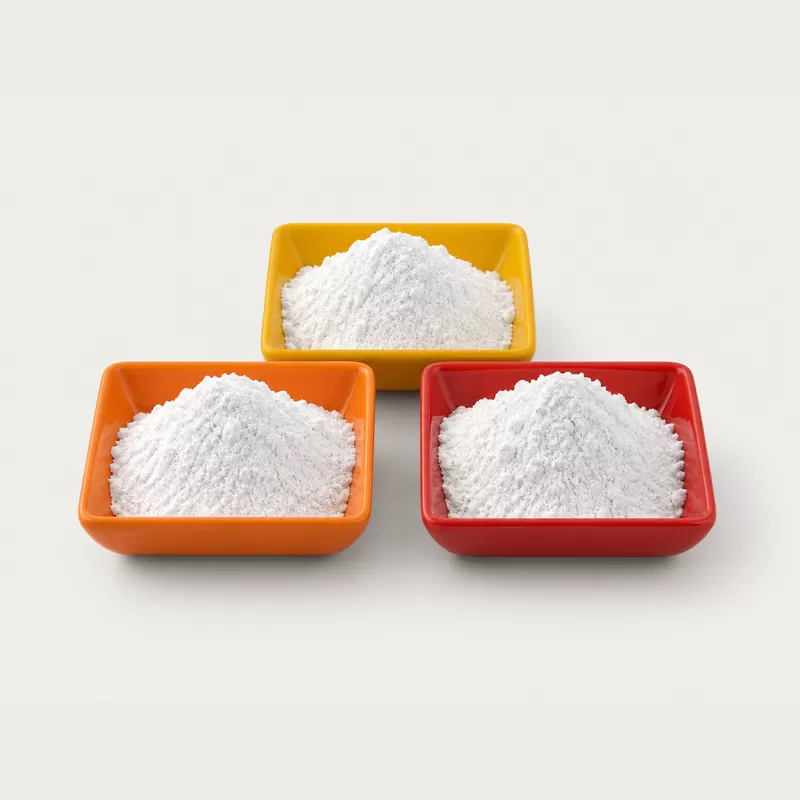
Selecting the Right Grade and Sourcing Partner
Choosing the correct grade of aluminum phosphate depends on the specific requirements of the application, such as setting speed, curing temperature, and the physical state of the binder. Solid powders are preferred for dry-mix refractory mortars, while liquid solutions are standard for casting and wet patching compounds. Partnering with a specialized manufacturer like Xinsheng ensures that industrial buyers receive the correct grade for their process, supported by complete chemical specifications and accurate safety documentation.
Establishing a reliable supply chain requires working with manufacturers who prioritize quality control and transparent safety communication. Having an accurate and up-to-date aluminum phosphate msds for every shipment helps industrial operators maintain high safety standards, avoid regulatory compliance issues, and run their manufacturing processes smoothly.
Frequently Asked Questions
Q1: What is the primary function of aluminum phosphate in refractory materials?
A1: Aluminum phosphate acts as a high-temperature binder. It undergoes thermal polymerization when heated, creating a strong, wear-resistant ceramic bond that remains stable at temperatures exceeding 1000°C.
Q2: Is aluminum phosphate classified as a hazardous chemical?
A2: Liquid aluminum phosphate is typically classified as hazardous due to its acidic pH, which can cause skin irritation, eye damage, and mild metal corrosion. The solid powder form can cause respiratory irritation if dust is inhaled.
Q3: How should a spill of liquid aluminum phosphate be handled?
A3: Spills should be contained using inert absorbent materials such as sand or dry earth. The neutralized material can then be collected in appropriate plastic containers for disposal in accordance with local environmental regulations.
Q4: Can aluminum phosphate be stored in mild steel tanks?
A4: Storing liquid aluminum phosphate in mild steel tanks is not recommended because the acidic solution can react with steel, corroding the tank and generating flammable hydrogen gas. Plastic, fiberglass, or stainless steel storage vessels are preferred.
Q5: What personal protective equipment is required when handling the powder form?
A5: Operators should wear chemical safety goggles, protective gloves (such as nitrile or neoprene), protective clothing to prevent skin contact, and a certified dust respirator to protect against inhalation of airborne particles.
Submit an Inquiry
Selecting the right binder formulation and obtaining compliant safety documentation are key steps in securing your industrial supply chain. Xinsheng provides high-purity aluminum phosphate in both liquid and powder forms, tailored to meet your specific manufacturing requirements. For detailed product specifications, custom formulation options, or to request a current aluminum phosphate msds for your region, please submit an inquiry to our technical sales team today.