
The industrial protective coatings sector is experiencing a significant transition due to environmental regulations and the demand for non-toxic raw materials. Historically, heavy metal-based pigments such as red lead and zinc chromate provided reliable protection for steel structures. However, their documented toxicity has led to strict global restrictions under frameworks like REACH and RoHS. Formulators must identify alternative solutions that match or exceed these legacy materials without compromising environmental compliance.
One prominent solution is aluminium dihydrogen triphosphate. This compound functions as an active anti-corrosive pigment, providing barrier protection and electrochemical passivation. As a specialized manufacturer, Xinsheng supplies high-purity grades of this material to meet the stringent demands of modern industrial coatings. By understanding the chemical behavior and formulation parameters of this pigment, coating chemists can design highly durable primers for diverse environments.
The Chemical Mechanism of Active Passivation
Active corrosion protection relies on the chemical interaction between the pigment and the metal substrate. When moisture eventually penetrates a paint film, aluminium dihydrogen triphosphate undergoes a controlled, slow dissociation. This process releases triphosphate ions into the micro-environment at the coating-substrate interface. These ions possess strong chelating properties and react with iron ions that form during the early stages of steel oxidation.
The interaction leads to the formation of a dense, insoluble complex layer consisting of iron phosphate and aluminium phosphate. This passivation layer deposits directly onto the anodic sites of the metal, interrupting the electrochemical pathway of corrosion. The physical presence of this chemical film restricts the diffusion of oxygen and water molecules to the bare metal surface, effectively halting the propagation of rust.
Unlike passive barrier pigments like micaceous iron oxide or silica, which merely block the pathway of corrosive agents, aluminium dihydrogen triphosphate actively interferes with the oxidation process. The compound maintains a controlled ionization rate. This controlled solubility is a decisive factor, as it ensures long-term protection without causing premature blistering of the coating matrix, a common failure mode with highly soluble salt inhibitors.
Physical and Chemical Attributes in Paint Formulations
The practical utility of aluminium dihydrogen triphosphate in industrial coatings is determined by its specific physical and chemical properties. These characteristics affect how the pigment behaves during manufacturing, storage, and application.
Particle Size Distribution: Controlled particle size is necessary to achieve optimal dispersion. Finer particles ensure high packing density within the dry film, which improves the barrier effect and creates a smoother primer finish.
Low Tinting Strength and High Whiteness: Because it is a white pigment, it does not interfere with the color matching of topcoats. This enables paint manufacturers to formulate light-colored or white primers, which is impossible when using dark red lead or yellow zinc chromate.
Oil Absorption: A moderate oil absorption value, typically between 25 and 35 grams per 100 grams, allows formulators to maintain appropriate pigment volume concentrations without causing excessive viscosity build-up in the liquid paint.
pH Buffering Capacity: The compound acts as an acid scavenger. Acidic pollutants or moisture that penetrate the coating are neutralized by the phosphate buffer, maintaining a stable local environment at the coating-metal interface.
These properties are highly stable at high temperatures. The chemical structure resists thermal decomposition at temperatures exceeding 300°C, making the pigment highly suitable for high-temperature coatings, baking enamels, and coil coatings subjected to intense curing processes.
Replacing Legacy Pigments: A Comparative Evaluation
Selecting an anti-corrosive pigment requires comparing performance, environmental impact, and cost. Examining how aluminium dihydrogen triphosphate performs against traditional alternatives reveals its role in modern formulations.
Zinc chromate is historically recognized for exceptional passivation, but its carcinogenic nature limits its use. The triphosphate derivative provides a comparable passivation effect by forming a robust phosphate layer, offering a viable substitute that meets modern health and safety standards.
Zinc phosphate is a widely used non-toxic alternative, but it often exhibits slow ionization rates. This slow action can lead to weaker early-stage protection during standard salt spray testing. The condensed triphosphate structure of aluminium dihydrogen triphosphate provides a more regulated, efficient ion release, which improves early-stage corrosion protection.
Calcium borosilicate is often selected for light industrial coatings, but it can lack the robust chemical chelating strength of the triphosphate group when exposed to aggressive marine environments. Testing demonstrates that the iron-phosphate complexes formed by triphosphate pigments are more stable under chemical exposure than borate-based barrier films.
Formulation Integration and Resin Compatibility
To maximize the performance of aluminium dihydrogen triphosphate, formulators must consider its compatibility with different binder systems and other formulation ingredients.
Solvent-Borne Epoxy and Polyurethane Systems
In heavy-duty epoxy primers, the pigment disperses readily under high-speed dissolvers. It exhibits excellent synergy with polyamide and polyamidoamine curing agents. The resulting films offer high adhesion, chemical resistance, and mechanical toughness, making them suitable for marine and heavy industrial environments.
Water-Borne Acrylic and Alkyd Systems
Water-borne systems are highly sensitive to soluble ions, which can cause stability issues like paint gelation or viscosity drift during storage. Modified grades of aluminium dihydrogen triphosphate, often treated with organic or inorganic surface modifiers, are used to control ionic release in water-borne formulations, ensuring shelf stability while maintaining anti-corrosive performance.
Pigment Volume Concentration (PVC)
The optimal PVC typically ranges from 25% to 35% depending on the specific vehicle system and application method. Combining this pigment with lamellar extenders like talc or mica produces a synergistic effect. The lamellar extenders prolong the diffusion path of water and oxygen, while the active triphosphate pigment passivates the metal surface.
Industrial Application Scenarios
The protective qualities of aluminium dihydrogen triphosphate make it valuable across several demanding industrial sectors. Its versatility allows it to perform reliably in different environmental conditions.
In marine and offshore infrastructure, coatings face continuous exposure to high humidity and chloride ions. Primers formulated with this compound protect ship hulls, ballast tanks, and offshore drilling platforms. The active passivation mechanism prevents sub-film rust creep even when the coating suffers physical damage.
The transportation sector relies on these primers for agricultural machinery, commercial vehicles, and railway rolling stock. These environments require coatings that resist mechanical impacts, stone chipping, and exposure to de-icing salts. The strong adhesion promoted by the phosphate passivation layer prevents large-scale coating failure under mechanical stress.
In structural steel and industrial buildings, bridges, warehouses, and piping require long-term maintenance cycles. Primers containing the pigment extend the lifetime of these structures by slowing down the rate of atmospheric corrosion, reducing maintenance costs over the lifecycle of the assets.
Sourcing Quality Materials from Xinsheng
The performance of an anti-corrosive primer depends heavily on the quality and consistency of its raw materials. Impurities like water-soluble chlorides or sulfates can promote corrosion inside the dry paint film, undermining the purpose of the protective pigment.
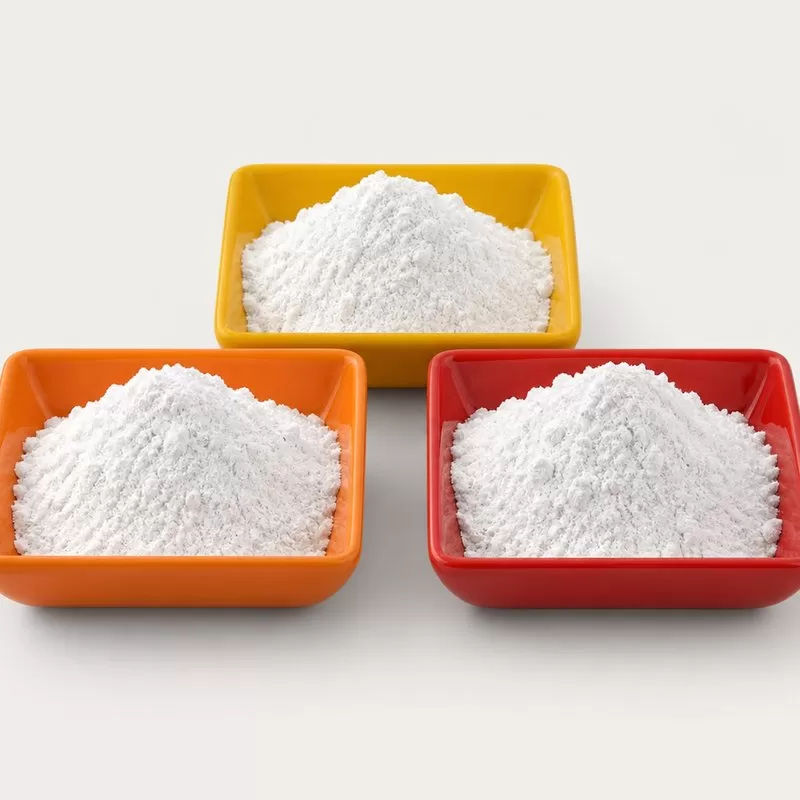
Xinsheng manufactures aluminium dihydrogen triphosphate utilizing precise synthesis and purification protocols. Our production processes minimize water-soluble impurities and control particle size distribution. This consistency ensures easy dispersion during the milling phase of paint production, saving energy and processing time for coating manufacturers.
By maintaining strict quality control standards, Xinsheng helps paint manufacturers produce reliable protective coatings. Our focus on consistency ensures that batch-to-batch variation is minimized, allowing for predictable performance in demanding industrial applications.
Frequently Asked Questions
Q1: What is the primary functional difference between zinc phosphate and aluminium dihydrogen triphosphate?
A1: Zinc phosphate relies on orthophosphate ions which have lower solubility and slower passivation kinetics, sometimes resulting in insufficient early-stage protection. Aluminium dihydrogen triphosphate contains condensed triphosphate complexes that exhibit stronger chelating capabilities with iron, initiating passivation more rapidly and providing better protection in early salt spray exposure.
Q2: Can aluminium dihydrogen triphosphate be used in water-borne paint systems?
A2: Yes, it is suitable for water-borne systems, including acrylic dispersions and water-reducible alkyds. However, since water-borne paints are sensitive to soluble ions, it is advisable to select modified grades with controlled solubility to prevent issues such as gelling or viscosity changes during storage.
Q3: Does this pigment affect the mechanical properties or adhesion of the primer?
A3: When formulated within the recommended pigment volume concentration, it improves overall adhesion. The passivation layer formed at the metal interface prevents sub-film corrosion, which is a primary cause of coating delamination and paint blistering.
Q4: How does the thermal stability of aluminium dihydrogen triphosphate compare to organic inhibitors?
A4: This inorganic pigment exhibits high thermal stability, resisting decomposition at temperatures exceeding 300°C. Organic corrosion inhibitors often degrade at lower temperatures, making this inorganic compound far more suitable for high-bake OEM primers and coil coatings.
Q5: What extenders work best when combined with this compound?
A5: Formulations typically combine it with lamellar extenders like talc or mica to create a physical barrier, along with barytes or calcium carbonate to optimize dry film density and cost. This combination provides both chemical passivation and a robust physical barrier.
Inquiry and Support
For detailed product specifications, formulation guidance, or to request samples of aluminium dihydrogen triphosphate, please contact the Xinsheng application service department. Our technical team is available to assist you in selecting the appropriate grade to meet your industrial coating and performance requirements.