
Mitigating corrosion is a primary concern in the industrial coatings and metal finishing sectors. For decades, manufacturers relied heavily on chromate-based pigments to protect steel, iron, and aluminum structures from environmental degradation. However, environmental and health regulations have necessitated a shift toward non-toxic, eco-friendly alternatives. Zinc phosphate tetrahydrate, chemically represented as zn3 po4 2 4h2o, has emerged as a reliable and effective active anti-corrosive pigment. This compound provides a balanced combination of barrier protection and active passivation, making it an industry standard for protective primers.
As a specialized manufacturer of chemical pigments, Xinsheng produces high-purity zn3 po4 2 4h2o designed to meet the rigorous demands of modern industrial coatings. Understanding the physical and chemical characteristics of this material, along with its specific application parameters, is necessary for paint formulators and industrial manufacturers aiming to enhance the lifespan of coated metal surfaces.
Chemical Synthesis and Physical Characteristics of zn3 po4 2 4h2o
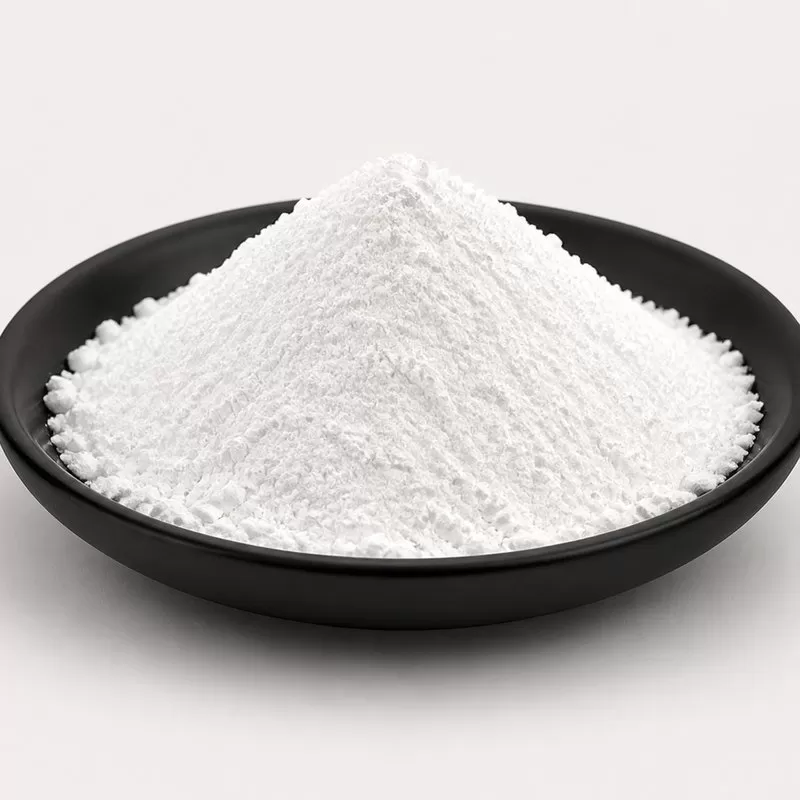
The performance of zinc phosphate in protective coatings is directly tied to its crystalline structure and purity. The compound is synthesized via a controlled precipitation reaction between zinc oxide or soluble zinc salts and phosphoric acid. This process results in a white, crystalline powder that is virtually insoluble in water but slightly soluble in dilute acids. The presence of four water molecules in the crystal lattice of zn3 po4 2 4h2o plays an important role in its performance and thermal stability.
The dehydration characteristics of the tetrahydrate phase are particularly significant for coatings that undergo thermal curing or baking cycles. The compound typically remains stable at room temperature and begins to lose its coordinated water molecules in stages when temperatures exceed 100°C. Complete dehydration to anhydrous zinc phosphate occurs at higher temperatures. Formulators must consider this thermal behavior when designing coil coatings or automotive OEM primers that require baking temperatures above 150°C, as uncontrolled dehydration can lead to film defects such as pinholes or blistering.
Other key physical parameters of zn3 po4 2 4h2o include:
Specific Gravity: Approximately 3.2 to 3.4 g/cm³, which allows for stable suspension in various liquid vehicles with minimal settling when properly dispersed.
Refractive Index: Around 1.59 to 1.62. This relatively low refractive index ensures that the pigment does not provide significant opacity, allowing formulators to use it in primers of various colors without interfering with the final topcoat appearance.
Oil Absorption: Typically ranging between 15 and 25 g/100g, depending on the particle size and surface modification. This parameter directly influences the binder demand and the viscosity of the paint formulation.
The Electrochemical Passivation Mechanism
The primary reason for incorporating zn3 po4 2 4h2o into a primer formulation is its ability to actively inhibit the electrochemical corrosion of steel. When moisture penetrates a coating film, it dissolves a minute amount of the zinc phosphate pigment. This dissolution yields zinc ions and phosphate ions within the coating matrix. The concentration of these ions must be carefully regulated; too high a solubility leads to premature leaching of the pigment, while too low a solubility renders the active protection ineffective.
The released phosphate ions migrate to the steel substrate, where they react with iron cations generated during the early stages of anodic dissolution. This reaction forms an insoluble, dense crystalline layer of iron-zinc phosphate complexes on the metal surface. This passive layer acts as an effective physical barrier to moisture, oxygen, and corrosive ions such as chlorides and sulfates, effectively stifling the anodic reaction.
Simultaneously, the zinc ions migrate to the cathodic sites of the corrosion cell. There, they react with hydroxyl ions produced by the reduction of water and oxygen, forming zinc hydroxide. This precipitate deposits onto the cathodic areas, blocking the transport of oxygen and suppressing the cathodic reaction. This dual anodic-cathodic inhibition mechanism is why zn3 po4 2 4h2o remains a preferred choice for heavy-duty protective coatings.
Formulating with zn3 po4 2 4h2o: Key Parameters
Achieving optimal anti-corrosive performance requires careful consideration of several formulating parameters. Simply replacing a legacy pigment with zinc phosphate is rarely sufficient. Formulators must evaluate the Pigment Volume Concentration (PVC) to Critical Pigment Volume Concentration (CPVC) ratio. For active anti-corrosive pigments, the PVC/CPVC ratio is typically kept below 0.8 to ensure adequate binder coverage and prevent excessive porosity, which would lead to rapid leaching of the active species.
The selection of the binder system also influences the performance of zn3 po4 2 4h2o. It is highly compatible with a wide range of resins, including:
Short and Medium Oil Alkyds: Used primarily in quick-drying industrial primers for general metal fabrication.
Two-Component Epoxy Systems: Ideal for heavy-duty marine and industrial maintenance coatings where high chemical resistance is required.
Polyurethane Primers: Often used in automotive and transportation sectors, offering excellent adhesion and flexibility.
Waterborne Acrylics and PUDs: Increasingly common in environmentally friendly coatings, requiring specialized grades of zinc phosphate to prevent flash rusting during the drying phase.
In waterborne systems, the dispersion of zn3 po4 2 4h2o requires specific attention. The pH of the formulation must be maintained within a slightly basic range (typically 8.0 to 9.0) to prevent premature dissolution of the pigment in the can, which could cause viscosity instability or gelation. Xinsheng offers surface-treated and micronized grades of zinc phosphate to facilitate easy dispersion and long-term stability in water-based resin systems.
Particle Size Optimization for Thin-Film Applications
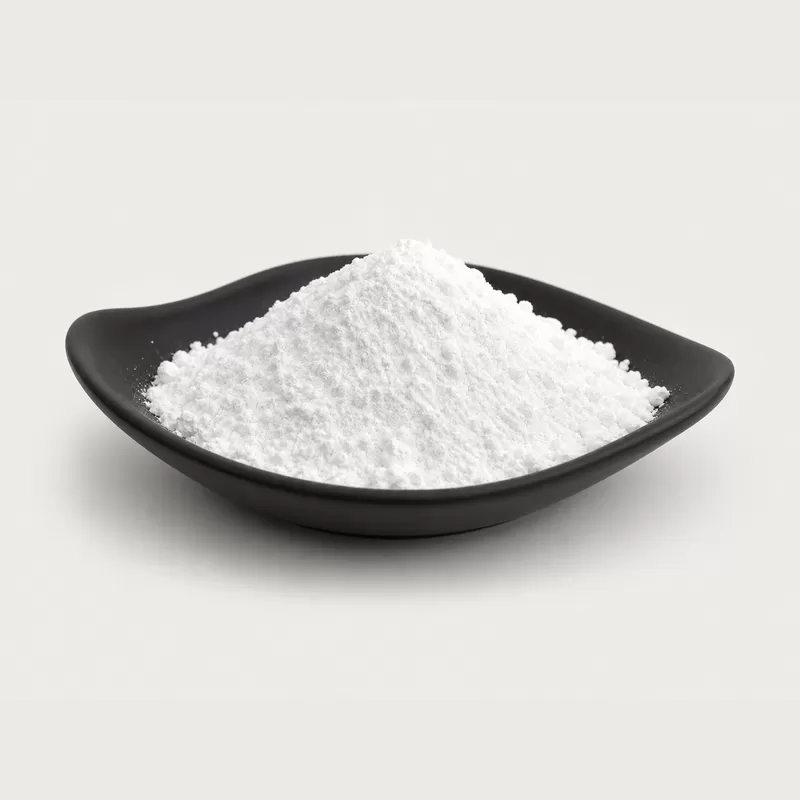
The particle size distribution of zn3 po4 2 4h2o is a decisive factor in determining both the aesthetic and protective qualities of the cured coating. Standard grades, which typically feature a median particle size (d50) of 5 to 8 microns, are well-suited for high-build industrial primers where the dry film thickness exceeds 50 microns. These larger particles provide a robust barrier effect and are cost-effective for large-scale structural steel applications.
For thin-film applications such as coil coatings, automotive parts, and aerosol spray primers, standard grades can cause surface roughness, reducing the gloss of subsequent topcoats. In these scenarios, ultra-fine or micronized grades with a d50 of less than 3 microns are necessary. Micronized zinc phosphate ensures a highly homogeneous distribution of the active pigment throughout the thin coating layer, maximizing the surface area available for passivation while maintaining a smooth, high-gloss finish.
The table below outlines typical specification parameters for different grades of zinc phosphate offered by Xinsheng to help formulators choose the appropriate material for their specific systems.
| Parameter | Standard Industrial Grade | Ultra-Fine/Micronized Grade | Modified Multi-Functional Grade |
|---|---|---|---|
| Zinc Content (as Zn %) | 50.0 - 52.0 | 50.5 - 52.5 | 46.0 - 49.0 |
| Phosphate Content (as PO4 %) | 46.0 - 49.0 | 46.5 - 49.5 | 42.0 - 45.0 |
| Median Particle Size (d50, μm) | 5.5 - 7.5 | 2.0 - 3.0 | 3.0 - 4.5 |
| Oil Absorption (g/100g) | 15 - 20 | 20 - 25 | 18 - 22 |
| pH Value (aqueous extract) | 6.0 - 7.5 | 6.5 - 7.5 | 7.0 - 8.5 |
Industrial Application Scenarios
The versatility of zn3 po4 2 4h2o allows it to perform reliably across diverse industrial sectors. In marine coatings, it is frequently combined with other synergistic pigments such as zinc oxide or organic corrosion inhibitors to withstand the constant exposure to high humidity and chloride-rich environments. The controlled solubility of the tetrahydrate phase ensures that the protective passive film is maintained over extended periods, preventing the creep of rust under the coating film even if the physical barrier is mechanically damaged.
In the infrastructure sector, protective coatings for bridges, structural steel frames, and power transmission towers rely on zinc phosphate primers. These structures require maintenance intervals of 15 to 25 years. The long-term stability of zn3 po4 2 4h2o makes it a dependable component in these multi-coat systems, which typically consist of a zinc-rich primer, a zinc phosphate epoxy intermediate coat, and a polyurethane topcoat.
Another prominent application is metal pretreatment and phosphating. Before the application of powder coatings or electrophoretic paints, steel and galvanized steel components undergo a phosphating bath process. High-purity zn3 po4 2 4h2o serves as a primary constituent in formulating these conversion coating baths. The quality of the crystalline zinc phosphate layer formed during this step determines the adhesion and under-cutter corrosion resistance of the subsequent paint layers.
Frequently Asked Questions
Q1: What is the primary role of zn3 po4 2 4h2o in protective primers?
A1: It acts as an active anti-corrosive pigment. Upon moisture ingress, it slowly dissociates to release phosphate and zinc ions, which react with the metal substrate to form a passive, insoluble barrier layer, preventing electrochemical corrosion.
Q2: How does the tetrahydrate structure affect the thermal stability of the coating?
A2: The four water molecules in the crystal lattice of the tetrahydrate phase begin to dehydrate at temperatures above 100°C. For coatings that undergo high-temperature baking, such as coil coatings, formulators must monitor this behavior to prevent film defects caused by water vapor release.
Q3: Is zn3 po4 2 4h2o compatible with waterborne resin systems?
A3: Yes, it is compatible, but it requires careful formulation. The pH of the waterborne system must be monitored to avoid premature dissolution, and dispersing agents should be utilized to prevent settling in low-viscosity formulations.
Q4: How does zinc phosphate compare to traditional zinc chromate?
A4: Zinc phosphate is non-toxic and environmentally friendly, meeting global environmental regulations like REACH. While zinc chromate offers rapid passivation, its high toxicity and carcinogenicity have led to widespread bans, making zinc phosphate the primary replacement.
Q5: What factors should be considered when choosing a particle size for zinc phosphate?
A5: The choice depends on the dry film thickness (DFT) of the primer and the aesthetic requirements of the topcoat. Standard grades are suitable for thick protective coatings, while micronized grades (d50 < 3μm) are required for thin-film applications to ensure a smooth finish.
Technical Inquiries and Samples
Selecting the appropriate grade of zinc phosphate tetrahydrate is a detailed process that depends on your resin chemistry, application method, and performance requirements. Xinsheng provides a range of high-quality zn3 po4 2 4h2o pigments designed for various industrial coating applications.
To receive technical data sheets, safety data sheets, or to request product samples for laboratory evaluation, please contact the Xinsheng technical sales team. Our specialists are available to assist you in selecting the ideal pigment grade to optimize your formulation's protective performance and storage stability.